
Imagine you’re trying to finish an important project while a coworker keeps interrupting you with the same question, or your neighbor starts drilling just as you join an online meeting. You might say, “It’s driving me up the wall.” Native English speakers use this expression to describe situations, habits, or people that create ongoing frustration or irritation. Although the phrase is informal, it remains one of the most recognizable idioms in everyday English. Understanding its meaning, tone, and suitable alternatives helps professionals, students, ESL learners, and writers communicate emotions more naturally while choosing language that matches the situation. Whether you’re writing an email, speaking in a meeting, or chatting with friends, selecting the right expression can improve clarity, maintain professionalism, and prevent misunderstandings.
What Does “Drive Me Up The Wall” Mean?
Drive Me Up The Wall means to make someone feel extremely annoyed, frustrated, or irritated through repeated actions or ongoing behavior. The phrase usually describes emotional irritation rather than anger and is commonly used in everyday conversations, informal writing, and personal discussions to express that something has become difficult to tolerate.
Origin & History of “Drive Me Up The Wall”
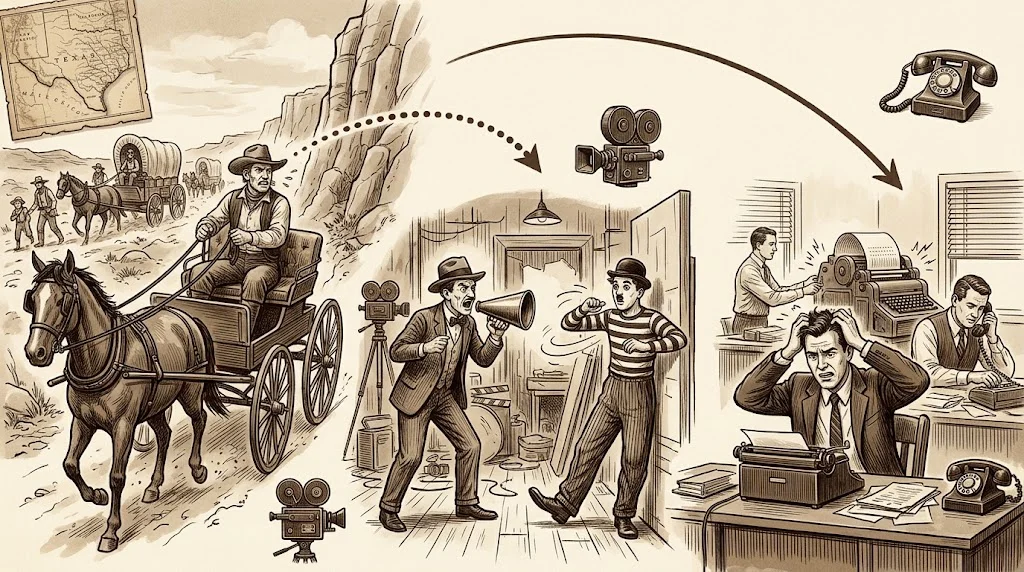
The phrase “Drive Me Up The Wall” originated in English during the early twentieth century, although its exact source remains uncertain. Most language historians believe it developed as a figurative expression describing someone becoming so frustrated that they feel like climbing the walls. Similar imagery has appeared in English for centuries, often representing anxiety, confinement, or emotional agitation.
By the mid-1900s, the idiom became increasingly common in American English through newspapers, television, and everyday speech. It eventually spread throughout other English-speaking countries, becoming a familiar way to describe persistent annoyance rather than intense anger.
Today, the phrase carries little literal meaning. Instead, it functions as a widely understood idiom that communicates repeated irritation caused by a person, habit, sound, or situation. Its popularity has remained strong because it vividly expresses frustration without sounding overly aggressive or offensive.
Synonyms & Alternatives by Tone
Professional & Neutral Alternatives
- Cause frustration
- Be distracting
- Create unnecessary stress
- Become difficult to manage
- Be challenging to deal with
Polite & Supportive Alternatives
- I’m finding this a little frustrating
- This has been somewhat difficult
- It’s becoming a concern
- I’m struggling with this situation
- This is making things more complicated
Encouraging & Reassuring
- Let’s work through this together
- We can find a better solution
- This can definitely be improved
- We’ll sort this out
- Let’s make the process easier
Casual, Playful & Idiomatic Alternatives
- Get on my nerves
- Drive me to exasperation
- Bug me
- Annoy the heck out of me
- Rub me the wrong way
- Push my buttons
- Be a pain
- Get under my skin
- Make me lose my patience
- Be incredibly irritating
When Should You Use “Drive Me Up The Wall”?
The phrase works best when you want to describe ongoing frustration rather than a single moment of anger. It emphasizes repeated annoyance and helps listeners immediately understand that something has become emotionally exhausting.
Professional Settings
Although the phrase is informal, it can occasionally be appropriate in relaxed workplace conversations where colleagues know each other well. It should generally be reserved for casual discussions rather than official communication.
Examples include:
- Informal team conversations
- Friendly workplace chats
- Internal discussions with familiar coworkers
Casual Conversations
This is where the expression feels most natural. Friends and family frequently use it to describe everyday frustrations.
Common situations include:
- Noisy neighbors
- Repetitive habits
- Slow internet
- Constant notifications
- Traffic delays
Writing, Presentations, and Digital Communication
In blogs, newsletters, opinion pieces, or social media posts, the phrase creates an authentic, conversational tone. It can also appear in presentations when the audience is informal, and the speaker wants to connect through relatable experiences.
Avoid using it in:
- Legal documents
- Academic papers
- Formal reports
- Customer complaint letters
- Executive presentations
When It Is Especially Effective
The phrase is particularly effective when:
- The frustration has continued over time.
- The audience understands informal English.
- You want to sound relatable rather than dramatic.
- You are sharing personal experiences.
- You are adding personality to your communication.
When Should You Avoid “Drive Me Up The Wall”?
Although common and expressive, the phrase is not appropriate in every situation.
Overly Formal Situations
Formal business communication generally benefits from more neutral wording.
Instead of saying:
“The delays are driving me up the wall.”
Consider:
“The repeated delays are creating operational challenges.”
Legal, Academic, or Sensitive Contexts
Objective writing values precision over emotional language. Because this phrase expresses personal emotion, it may reduce the credibility of formal analysis.
Avoid using it in:
- Research papers
- Legal agreements
- Medical documentation
- Government reports
- Official policies
Situations Where Nuance May Be Lost
Not everyone interprets idioms the same way, particularly ESL learners or international audiences. Literal interpretations may create confusion, making straightforward language the better choice.
Is “Drive Me Up The Wall” Professional, Polite, or Casual?

The expression is generally considered casual and emotionally expressive rather than professional.
Tone Analysis
It communicates noticeable irritation while remaining less harsh than direct criticism. Most listeners recognize it as expressing frustration without implying hostility.
Formality Level
- Formal: ❌
- Semi-formal: Occasionally
- Informal: ✅
- Conversational: ✅
Emotional Subtext
The phrase suggests:
- Ongoing irritation
- Mild emotional exhaustion
- Personal frustration
- Familiarity with the listener
It does not usually suggest anger, aggression, or conflict.
Audience Perception
Among native English speakers, the idiom often sounds humorous or relatable because many people have experienced situations that “drive them up the wall.” However, using it with clients, senior executives, or unfamiliar audiences may seem overly emotional or less professional. Choosing a more neutral alternative often communicates the same message with greater credibility.
Pros and Cons of Using “Drive Me Up The Wall”
Advantages
Clarity
The idiom instantly communicates repeated annoyance, making the speaker’s feelings easy to understand.
Efficiency
Instead of explaining ongoing frustration in several sentences, the phrase summarizes the emotion in just a few words.
Accessibility
Because it is widely recognized across English-speaking countries, most native speakers understand its meaning immediately.
Potential Drawbacks
Oversimplification
The expression focuses on emotion rather than explaining the actual problem, which may leave important details unclear.
Tone Mismatch
Its informal nature makes it unsuitable for highly professional, academic, or legal communication.
Repetition
Frequent use can weaken its impact and make writing feel repetitive. Varying your language with suitable alternatives keeps communication fresh and more engaging.
Real-Life Examples of “Drive Me Up The Wall” by Context
Emails
“The repeated version changes are starting to drive me up the wall. Could we agree on one final document before making additional edits?”
Meetings
“Last-minute schedule changes are driving me up the wall because they affect everyone’s planning.”
Presentations
“One issue that consistently drives customers up the wall is having to repeat the same information multiple times.”
Conversations
“My brother leaves every cupboard door open. It drives me up the wall.”
Social Media
“Nothing drives me up the wall more than buffering during the last five minutes of a movie.”
“Drive Me Up The Wall” vs Similar Expressions (Key Differences)
| Phrase | Meaning Difference | Tone Difference | Best Use Scenario |
| Drive me Obsessed | Suggests stronger emotional frustration and may imply exaggeration | Casual and expressive | Everyday conversations with friends |
| Get on my nerves | Focuses on repeated irritation rather than overwhelming frustration | Informal | Discussing annoying habits |
| Rub me the wrong way | Describes discomfort or dislike instead of constant annoyance | Slightly softer | Personality conflicts and opinions |
| Push my buttons | Implies someone intentionally triggers an emotional reaction | Informal and psychological | Interpersonal disagreements |
| Bug me | Refers to mild annoyance rather than intense frustration | Relaxed and conversational | Daily conversations and texting |
| Be a pain | Describes inconvenience instead of emotional irritation | Casual | Minor everyday problems |
Common Mistakes & Misuse of “Drive Me Up The Wall”
Overuse
Using the phrase repeatedly reduces its impact. Mixing in other expressions makes communication sound more natural and varied.
Incorrect Context
Avoid using the idiom in formal reports, academic writing, or official business correspondence where neutral language is expected.
Contradictory Usage
The phrase should describe genuine frustration. Saying someone “drives me up the wall” immediately after praising their behavior may confuse readers or listeners unless the contrast is intentional.
Cultural Misunderstandings
Because this is an idiom, non-native English speakers may interpret it literally. When communicating with international audiences, clearer alternatives such as “This is becoming frustrating” may improve understanding.
Psychological Reason People Prefer “Drive Me Up The Wall”
People often choose this idiom because it communicates a complex emotional experience in a familiar, memorable way. Instead of describing repeated irritation step by step, the phrase allows listeners to understand the feeling almost instantly.
From a cognitive perspective, familiar idioms reduce mental effort because the brain recognizes the entire expression as a single unit of meaning rather than processing each word. This improves communication speed and comprehension.
The phrase also builds social connection. Native speakers recognize it as everyday language, making conversations feel more authentic and relatable. In digital communication, where messages are often brief, expressive idioms help convey emotion efficiently without lengthy explanations.
Additionally, people naturally prefer language that balances emotion with politeness. “Drive me up the wall” expresses frustration clearly while sounding less confrontational than directly criticizing someone, helping maintain relationships without completely hiding genuine feelings.
US vs UK Usage of “Drive Me Up The Wall”
Both American and British English widely recognize “Drive Me Up The Wall.” The meaning remains virtually identical across regions, referring to repeated annoyance or frustration.
In the United States, the expression appears frequently in casual conversation, entertainment, blogs, podcasts, and social media. Americans often pair it with similarly expressive idioms such as “drive me to aggravate” or “get on my nerves.”
In the United Kingdom, the phrase is equally familiar but may compete with regional expressions like “do my head in” or “get on my wick,” depending on the speaker and location.
Overall, there is little difference in interpretation. The primary variation lies in which informal alternatives people naturally choose within each region.
“Drive Me Up The Wall” in Digital & Modern Communication
Emails
The phrase occasionally appears in friendly internal emails but should generally be replaced with more neutral language in client-facing or executive communication.
Slack / WhatsApp
It fits naturally into workplace messaging apps and personal chats where conversational language is expected.
Example:
“These constant notification alerts are driving me up the wall today.”
Social Media
Social media encourages expressive, relatable language, making this idiom especially common in posts about everyday frustrations.
AI-Generated Summaries
AI writing tools typically recognize the phrase as an idiom for ongoing frustration. However, for professional documents, AI often recommends clearer alternatives such as “causing frustration” or “creating unnecessary difficulty.”
Linguistic & Communication Insight
Emotional Weight & Subtext
Although the literal words describe movement toward a wall, native speakers immediately understand the phrase as expressing sustained frustration rather than physical action. The emotional weight comes from repeated annoyance, suggesting that patience is gradually wearing thin. It communicates irritation without necessarily implying hostility or personal conflict.
Direct vs Indirect Phrasing
Compared with softer alternatives such as “I’m finding this challenging” or “This has become a little frustrating,” “Drive Me Up The Wall” is much more emotionally direct. It openly communicates frustration while remaining less aggressive than accusations like “You’re impossible to work with.” This balance makes it expressive without sounding overtly confrontational.
Professional Communication Perspective
In workplace communication, the phrase can humanize conversations among familiar colleagues but may appear overly emotional in formal settings. Leaders and experienced professionals often replace it with more objective language when discussing performance, processes, or client concerns to maintain credibility and encourage constructive dialogue.
Pragmatic Reasons for Alternatives
Professionals frequently choose alternative wording to reduce defensiveness, preserve collaboration, and keep discussions focused on solutions rather than emotions. Expressions like “This process is becoming difficult to manage” communicate the same underlying concern while inviting problem-solving instead of emotional reactions.
Social Signaling
Word choice shapes how others perceive confidence, emotional control, and professionalism. Using “Drive Me Up The Wall” among friends can strengthen rapport through shared experiences, while selecting a calmer alternative in business settings often signals maturity, diplomacy, and effective communication.
Tone & Context Guidance
The phrase works best in informal conversations, storytelling, blogs, and social media where emotional authenticity strengthens engagement. It becomes riskier in executive communication, academic writing, legal documents, or multicultural environments where idiomatic language may reduce clarity or be interpreted differently. Choosing the right alternative depends on your audience, relationship, and communication goals.
Get on My Nerves
Meaning: This phrase means someone or something repeatedly causes irritation or mild frustration through ongoing behavior rather than a single event.
Why This Phrase Works: It clearly communicates annoyance without sounding overly dramatic, making it suitable for many everyday situations.
Real-World Usage Insight: Native speakers often use it when talking about habits, noises, or repeated interruptions that become increasingly irritating over time.
Best Use: Conversations with friends, family, coworkers, and informal writing.
Avoid When: Writing legal documents, academic papers, or highly formal business communication.
Tone: Casual, conversational, mildly emotional.
US vs UK Usage: Extremely common in both American and British English.
Example (Meeting): “The constant side conversations are really getting on my nerves because they’re making it difficult to stay focused.”
Drive Me to make one livid
Meaning: This expression means something causes intense frustration, annoyance, or exasperation, often through repeated actions.
Why This Phrase Works: It exaggerates emotions slightly, making the speaker sound expressive without usually being taken literally.
Real-World Usage Insight: Native speakers commonly use it for everyday inconveniences, annoying habits, or humorous complaints.
Best Use: Informal conversations, blogs, social media, and casual workplace discussions.
Avoid When: Speaking with clients, executives, or in sensitive situations where exaggeration may seem unprofessional.
Tone: Casual, expressive, energetic.
US vs UK Usage: Widely used in both regions with virtually identical meaning.
Example (Social Media): “Autocorrect drives me to exasperation when it changes the right word into something completely different.”
Bug Me
Meaning: This phrase means something causes mild annoyance or irritation, usually without creating serious frustration.
Why This Phrase Works: It sounds relaxed and natural, making complaints feel less negative or confrontational.
Real-World Usage Insight: People frequently use it when discussing small everyday inconveniences that are annoying but manageable.
Best Use: Casual conversations, text messages, and friendly emails.
Avoid When: Describing significant workplace issues or serious conflicts.
Tone: Informal, lighthearted, conversational.
US vs UK Usage: More common in American English but well understood in the UK.
Example (Email): “It bugs me when file names aren’t consistent because it makes searching much harder.”
Rub Me the Wrong Way
Meaning: This idiom means someone’s words, attitude, or behavior create discomfort, irritation, or a negative impression.
Why This Phrase Works: It expresses subtle dissatisfaction without directly criticizing someone’s character.
Real-World Usage Insight: Native speakers often use it when explaining why they feel uncomfortable around a particular person or behavior.
Best Use: Discussions about personality differences, communication styles, or first impressions.
Avoid When: You need to identify a specific problem rather than describe a general feeling.
Tone: Casual, thoughtful, moderately indirect.
US vs UK Usage: Common in both countries, though slightly more frequent in American English.
Example (Meeting): “His habit of interrupting people rubbed me the wrong way because it made the discussion feel one-sided.”
Push My Buttons
Meaning: This expression means someone deliberately or repeatedly says or does things that provoke an emotional reaction.
Why This Phrase Works: It highlights emotional triggers while implying the behavior affects the listener personally.
Real-World Usage Insight: The phrase is often used when discussing recurring interpersonal conflicts or teasing between people.
Best Use: Personal conversations, workplace relationships, and discussions about communication.
Avoid When: Speaking about accidental mistakes or situations with no personal interaction.
Tone: Casual, emotionally expressive.
US vs UK Usage: Very common in American English and increasingly familiar in British English.
Example (Conversation): “My younger brother knows exactly how to push my buttons whenever we’re playing board games.”
Be a Pain
Meaning: This phrase describes a person, task, or situation that is inconvenient, troublesome, or frustrating to deal with.
Why This Phrase Works: It communicates annoyance without sounding overly emotional or confrontational.
Real-World Usage Insight: Native speakers frequently use it for everyday inconveniences such as paperwork, traffic, or technical problems.
Best Use: Casual conversations and friendly workplace discussions.
Avoid When: Referring to serious personal conflicts or emotionally sensitive topics.
Tone: Informal, practical, mildly frustrated.
US vs UK Usage: Widely used throughout both the United States and the United Kingdom.
Example (Email): “Updating every spreadsheet manually is a real pain, so I’d like to automate the process.”
Get Under My Skin
Meaning: This idiom means someone or something causes lasting irritation that is difficult to ignore or forget.
Why This Phrase Works: It conveys deeper emotional annoyance than simple frustration while remaining conversational.
Real-World Usage Insight: Native speakers often use it when describing behaviors that continue bothering them long after they occur.
Best Use: Personal conversations, blogs, and opinion writing.
Avoid When: Objective reports or professional documents requiring neutral language.
Tone: Casual, personal, emotionally reflective.
US vs UK Usage: Common in both American and British English.
Example (Conversation): “People talking loudly during movies really gets under my skin because it ruins the experience.”
Annoy the Heck Out of Me

Meaning: This expression means something causes a great deal of irritation while using softened language instead of stronger words.
Why This Phrase Works: It adds emphasis while keeping the tone friendly and suitable for most informal conversations.
Real-World Usage Insight: Native speakers often choose this phrase when joking about everyday frustrations without sounding hostile.
Best Use: Conversations with friends, family, coworkers, and social media posts.
Avoid When: Formal business communication or professional presentations.
Tone: Casual, playful, expressive.
US vs UK Usage: More frequently heard in American English, though easily understood in the UK.
Example (Message): “Those spam notifications annoy the heck out of me, so I finally turned them all off.”
Comparison Table of 10 Best Alternatives
The alternatives below express different levels of annoyance, frustration, or inconvenience. Choosing the right phrase depends on your audience, the setting, and how strongly you want to communicate your feelings while maintaining an appropriate tone.
| Phrase | Meaning | Best Use | Worst Use | Tone | US vs UK Usage |
| Get on My Nerves | Causes repeated irritation | Daily conversations, friendly workplace chats | Legal or academic writing | Casual | Very common in both US and UK |
| Drive Me to drive one to their limit | Expresses strong frustration through exaggeration | Friends, blogs, social media | Executive communication | Casual, expressive | Equally common in US and UK |
| Bug Me | Refers to mild annoyance | Text messages, casual emails | Serious complaints | Relaxed | More common in US but understood in UK |
| Rub Me the Wrong Way | Describes discomfort caused by behavior or attitude | Personality discussions, feedback | Urgent problem-solving | Thoughtful, indirect | Common in both regions |
| Push My Buttons | Indicates someone intentionally triggers emotions | Relationship and workplace conversations | Technical or factual writing | Informal | Slightly more common in the US |
| Be a Pain | Highlights inconvenience or difficulty | Everyday situations, informal work discussions | Sensitive interpersonal conflicts | Casual | Widely used in both US and UK |
| Get Under My Skin | Suggests lingering emotional irritation | Personal stories, blogs | Formal business reports | Personal, reflective | Common in both US and UK |
| Annoy the Heck Out of Me | Strong but friendly expression of irritation | Informal conversations, social media | Professional presentations | Playful | More frequent in US |
| Make Me Lose My Patience | Emphasizes worn-out patience | Conversations about recurring issues | Academic writing | Direct | Common in both US and UK |
| Be Incredibly Irritating | States annoyance directly without using an idiom | Professional discussions, neutral writing | Humorous storytelling | Neutral | Equally understood in the US and UK |
Conclusion
The phrase “Drive Me Up The Wall” is a timeless English idiom that vividly expresses ongoing annoyance or frustration caused by repeated actions, behaviors, or situations. Its conversational tone makes it a favorite in everyday speech, social media, blogs, and informal workplace discussions. However, because it is an idiomatic and emotionally expressive phrase, it is less suitable for formal business, legal, or academic writing where precise and neutral language is preferred.
Knowing when to use this expression—and when to replace it with a more professional alternative such as “cause frustration” or “be challenging to manage”—helps you communicate more effectively. Whether you’re a student, ESL learner, professional, or content writer, understanding its meaning, tone, history, and alternatives allows you to match your language to your audience and purpose. Mastering idioms like “Drive Me Up The Wall” also improves fluency, strengthens writing, and makes everyday communication sound more natural, relatable, and confident.
FAQs
What does “Drive Me Up The Wall” mean?
“Drive Me Up The Wall” means to make someone feel extremely annoyed or frustrated because of repeated actions or ongoing behavior. It is an informal English idiom used to describe situations, habits, noises, or people that become increasingly difficult to tolerate. The phrase expresses irritation rather than intense anger and is common in everyday conversations.
Is “Drive Me Up The Wall” considered rude?
No. The phrase is generally not rude, but it does express noticeable frustration. Most native English speakers view it as a casual and relatable idiom rather than an insult. However, using it directly about someone in a professional setting may sound overly emotional, so a more neutral alternative is often a better choice.
Can I use “Drive Me Up The Wall” in professional emails?
It is best avoided in formal emails to clients, executives, or external stakeholders. Although it may be acceptable in friendly conversations with close coworkers, professional communication usually benefits from phrases like “This is becoming challenging” or “This is causing frustration,” which sound more objective and solution-focused.
What is the closest synonym for “Drive Me Up The Wall”?
The closest synonym is “Get on My Nerves.” Both phrases describe repeated annoyance caused by a person or situation. Other similar expressions include “Drive Me to Exasperation,” “Bug Me,” “Push My Buttons,” and “Get Under My Skin,” each carrying slightly different levels of emotion and tone.
Is “Drive Me Up The Wall” used in both American and British English?
Yes. The idiom is widely understood and commonly used in both the United States and the United Kingdom. While British English has additional regional expressions for frustration, “Drive Me Up The Wall” remains familiar and natural across most English-speaking countries.
Why is “Drive Me Up The Wall” an idiom?
It is an idiom because its meaning cannot be understood by interpreting the individual words literally. The phrase does not refer to physically climbing a wall. Instead, native speakers recognize it as a figurative way of describing ongoing frustration or irritation caused by repeated experiences.
When should I avoid using this phrase?
Avoid using it in legal documents, academic writing, research papers, official reports, and highly formal presentations. These contexts require precise, objective language rather than emotionally expressive idioms. Clear alternatives help ensure your message is understood by diverse audiences, including non-native English speakers.
Is “Drive Me Up The Wall” stronger than “Bug Me”?
Yes. “Bug Me” usually describes mild annoyance, whereas “Drive Me Up The Wall” suggests prolonged or more intense frustration. Both expressions are informal, but the latter conveys that the irritation has built up over time and is becoming difficult to ignore.
Why do native English speakers use this expression so often?
Native speakers appreciate the phrase because it communicates a familiar emotion quickly and vividly. Instead of explaining repeated irritation in several sentences, the idiom instantly conveys the feeling in a natural, conversational way. This makes communication more engaging and emotionally relatable.
How can ESL learners use “Drive Me Up The Wall” naturally?
ESL learners can use the phrase in conversations with friends, classmates, or colleagues when describing recurring frustrations. It fits well in informal speech, personal writing, blogs, and social media. Learning its appropriate context helps speakers sound more fluent while avoiding its use in formal or academic communication.


