Imagine you’re describing a meal that everyone at the table couldn’t stop eating. Someone finishes every bite, smiles, and says, “That was finger-licking good.” Instantly, everyone understands that the food wasn’t just tasty; it was exceptionally delicious. This phrase has become one of the most recognizable ways to praise food in everyday English.
“Finger Licking Good” is widely used in conversations, food reviews, social media posts, restaurant marketing, and casual writing to express that a dish tastes so good people would want to lick the remaining flavor from their fingers. While the expression creates a vivid and memorable image, it is also highly informal. Understanding its meaning, tone, and suitable alternatives helps professionals, students, ESL learners, and writers communicate more naturally while choosing language that matches different audiences and situations.
What Does “Finger-Licking Good” Mean?
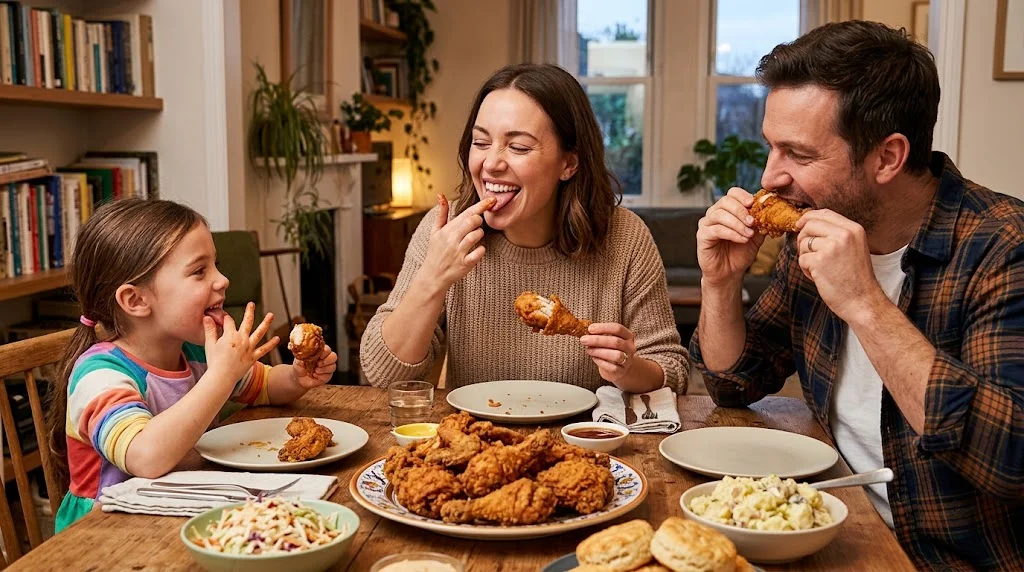
Finger Licking Good describes food that tastes exceptionally delicious or satisfying. The phrase suggests that a meal is so enjoyable that someone would want to lick the remaining flavor from their fingers after eating. It is commonly used in informal conversations, advertising, food reviews, and social media to praise outstanding food.
Origin & History of “Finger-Licking Good”
The expression “finger licking good” has existed in spoken English for generations as a colorful way to compliment exceptionally tasty food. It reflects a simple observation: when people enjoy food eaten by hand, they may instinctively lick their fingers to savor every last bit of flavor.
The phrase gained worldwide recognition in the 1950s when it became closely associated with Kentucky Fried Chicken (KFC). The advertising slogan transformed an everyday idiom into one of the most famous marketing taglines in history. Because of this association, many people mistakenly believe the company invented the phrase, although it had already been part of everyday English before its use in advertising.
Over time, the meaning has remained remarkably consistent. Today, it appears not only in restaurant promotions but also in restaurant reviews, cooking blogs, recipe websites, television shows, and everyday conversations. In modern communication, it symbolizes food that exceeds expectations and leaves a lasting positive impression.
Synonyms & Alternatives by Tone
Professional & Neutral Alternatives
- Delicious
- Exceptionally flavorful
- Wonderfully prepared
- Highly satisfying
- Full of flavor
Polite & Supportive Alternatives
- Absolutely delicious
- Wonderfully cooked
- Very enjoyable
- Rich in flavor
- Impressively prepared
Encouraging & Reassuring
- Worth trying
- You won’t be disappointed
- A real crowd-pleaser
- Definitely worth ordering
- Guaranteed to satisfy
Casual, Playful & Idiomatic Alternatives
- Mouthwatering
- Packed with flavor
- Out of this world
- So tasty
- To die for
- Absolutely amazing
- Confused good
- Chef’s kiss
- Next-level delicious
- Bursting with flavor
When Should You Use “Finger-Licking Good”?
The phrase works best when you want to express genuine enthusiasm about food in a friendly and memorable way.
Professional Settings
Although informal, it can fit industries where warmth and personality are valued, such as:
- Restaurant marketing
- Food blogging
- Recipe writing
- Hospitality
- Food product advertising
For formal reports or corporate communications, choose more neutral alternatives like delicious, well-prepared, or highly flavorful.
Casual Conversations
This is where the phrase feels most natural.
Examples include:
- Talking about dinner with friends
- Recommending a restaurant
- Complimenting someone’s cooking
- Discussing recipes
- Sharing family meals
Writing, Presentations, and Digital Communication
The phrase is effective in:
- Food reviews
- Restaurant websites
- Recipe blogs
- Instagram captions
- YouTube cooking videos
- Travel food guides
- Menu descriptions
It is less suitable for academic writing or business documentation unrelated to food.
When It Is Especially Effective
Use Finger Licking Good when:
- Describing exceptionally tasty food
- Writing engaging food-related content
- Creating memorable marketing copy
- Sharing authentic dining experiences
- Expressing excitement about a meal
Its vivid imagery helps readers imagine a highly enjoyable eating experience.
When Should You Avoid “Finger-Licking Good”?
Despite its popularity, the phrase is not appropriate in every context.
Overly Formal Situations
Avoid using it in:
- Academic papers
- Legal documents
- Scientific writing
- Corporate reports
- Official government communications
These settings typically require objective, literal language.
Legal, Academic, or Sensitive Contexts
Because the phrase is idiomatic, it may seem unprofessional or distracting in documents where precision matters more than expressive language.
Situations Where Nuance May Be Lost
International audiences or English learners unfamiliar with idioms may interpret the phrase literally before understanding its intended meaning. When clarity is essential, use direct alternatives like delicious, excellent, or highly flavorful.
Is “Finger-Licking Good” Professional, Polite, or Casual?
Finger Licking Good is primarily a casual and expressive phrase.
Tone Analysis
The expression communicates enthusiasm, enjoyment, and positive emotion. It paints a vivid picture rather than offering a technical description of food quality.
Formality Level
- Formal: ❌ Rarely appropriate
- Professional: ⚠️ Suitable only in food-related industries
- Casual: ✅ Very common
- Marketing: ✅ Highly effective
Emotional Subtext
The phrase implies more than good taste. It suggests:
- Complete satisfaction
- Memorable flavor
- Genuine excitement
- Strong recommendation
- Enjoyable dining experience
Audience Perception
Most native English speakers immediately recognize the phrase as a compliment about food. It often creates a friendly, inviting, and enthusiastic impression, making it especially effective in hospitality and food-related communication.
Pros and Cons of Using “Finger-Licking Good”
Advantages
Clarity
Most English speakers instantly understand that the phrase refers to exceptionally delicious food.
Efficiency
Instead of giving a lengthy description, the phrase quickly communicates high praise.
Accessibility
The wording is simple, memorable, and familiar across many English-speaking cultures.
Strong Emotional Appeal
It creates a vivid image that helps readers imagine an enjoyable eating experience.
Marketing Value
Its memorable nature makes it highly effective for restaurant promotions, recipes, and food advertising.
Potential Drawbacks
Oversimplification
The phrase focuses only on enjoyment and does not describe specific qualities such as texture, aroma, freshness, or presentation.
Tone Mismatch
Its playful style may feel inappropriate in formal or technical communication.
Repetition
Because it is widely recognized, repeated use within the same article or review can reduce its impact.
Brand Association
Many readers immediately associate the phrase with KFC, which may unintentionally distract from independent restaurant or food branding.
Real-Life Examples of “Finger-Licking Good” by Context
Emails
We tested the new barbecue recipe yesterday, and the feedback was overwhelmingly positive. Several team members described it as finger-licking good, making it an excellent candidate for next month’s menu.
Meetings
Our customers consistently mention that the homemade sauces are finger-licking good, so we should highlight them more prominently in our marketing materials.
Presentations
Customer surveys show that dishes receiving descriptions like finger-licking good generate significantly higher repeat orders.
Conversations
I tried the new fried chicken place yesterday. Honestly, it was finger-licking good.
Social Media
Just finished this homemade burger, and it was absolutely finger-licking good! Can’t wait to make it again. 🍔
“Finger-Licking Good” vs Similar Expressions (Key Differences)
| Phrase | Meaning Difference | Tone Difference | Best Use Scenario |
| Mouthwatering | Focuses on food that looks or smells extremely appetizing before eating. | Casual and descriptive | Menus, recipes, food photography, restaurant promotions |
| Delicious | A straightforward compliment that simply means food tastes very good. | Neutral and widely acceptable | Everyday conversations, reviews, professional food writing |
| Packed with Flavor | Emphasizes rich seasoning or intense taste rather than overall enjoyment. | Casual to professional | Restaurant descriptions, cooking blogs, product packaging |
| To Die For | Expresses extremely high praise in a dramatic, idiomatic way. | Very casual and expressive | Social media, conversations, lifestyle blogs |
| Chef’s Kiss | Indicates near-perfect quality or execution, often with humor. | Playful and modern | Online posts, videos, informal conversations |
| Absolutely Amazing | Gives broad praise that can apply to food or many other experiences. | Friendly and enthusiastic | Reviews, recommendations, conversations |
Common Mistakes & Misuse of “Finger-Licking Good”
Overuse
Using the phrase repeatedly in a review, article, or conversation can make your writing feel repetitive. Instead, vary your vocabulary with alternatives like mouthwatering, flavorful, or delicious to keep your descriptions engaging.
Incorrect Context
The phrase is intended specifically for praising food. Using it to describe unrelated subjects, such as a business proposal or a presentation, usually sounds confusing or awkward.
Contradictory Usage
Avoid pairing the phrase with negative descriptions.
Incorrect:
The meal was finger-licking good, but it tasted bland.
Correct:
The meal was finger-licking good, with perfectly balanced seasoning and a crispy texture.
Cultural Misunderstandings
Although widely understood in English-speaking countries, some international audiences may interpret the phrase literally. When writing for global readers, clearer alternatives such as exceptionally delicious or full of flavor may improve understanding.
Psychological Reason People Prefer “Finger-Licking Good”
Cognitive Load Reduction
People naturally process familiar expressions faster than long explanations. Saying a dish is finger-licking good instantly communicates exceptional taste without requiring additional detail.
Trust and Authority Signals
Because the phrase has been used in everyday speech and food marketing for decades, readers often perceive it as a familiar and trustworthy compliment. Familiar language increases confidence in recommendations.
Attention Economy
Modern readers scan content. A vivid idiom captures attention faster than a lengthy description, making it effective in advertisements, menus, headlines, and social media captions.
Modern Communication Habits
Today’s digital communication favors concise, memorable expressions. Short phrases that create strong mental images are more likely to be remembered, shared, and repeated than detailed descriptions.
US vs UK Usage of “Finger-Licking Good”
Popularity
The phrase is highly recognizable in both the United States and the United Kingdom. Its widespread popularity is largely due to decades of exposure through food advertising and popular culture.
Tone Perception
In the United States, the expression often feels energetic, friendly, and promotional. In the United Kingdom, it is also understood as informal praise but may be used slightly less frequently in everyday conversation.
Regional Preferences
American speakers are generally more likely to use the exact phrase in casual speech and restaurant marketing. British speakers often prefer simpler compliments such as delicious, really tasty, or full of flavor, although finger-licking good remains widely understood.
“Finger Licking Good” in Digital & Modern Communication
Emails
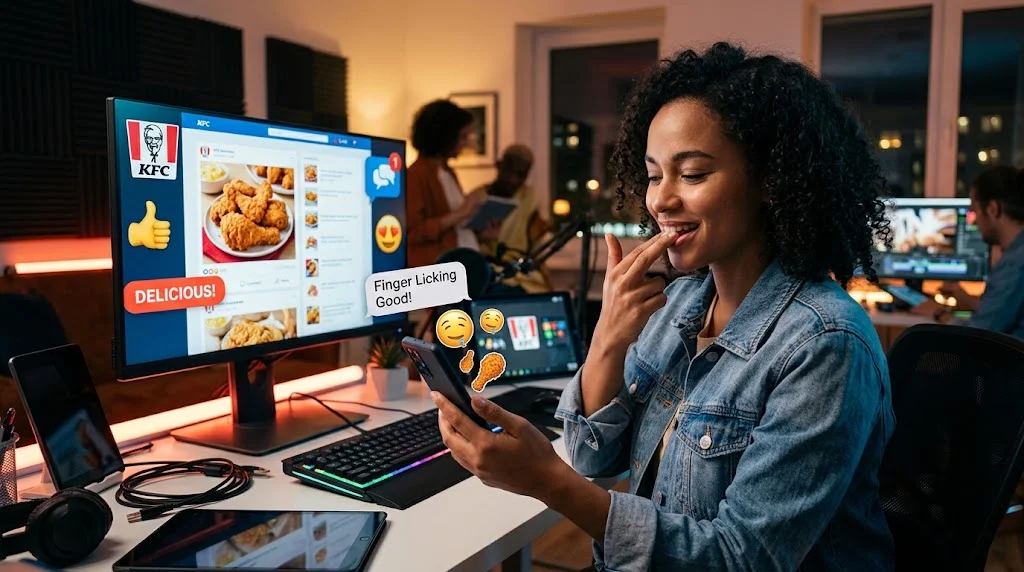
Food businesses and hospitality professionals may use the phrase in promotional emails to create excitement about new dishes or seasonal menus.
Example:
Our new smoked ribs are truly finger-licking good—come and taste them this weekend.
Slack / WhatsApp
Friends and coworkers often use the expression while sharing restaurant recommendations or homemade recipes.
Example:
You have to try this biryani. It’s finger-licking good!
Social Media
The phrase performs well because it is short, memorable, and emotionally expressive. It pairs naturally with food photos, cooking videos, and restaurant content.
Example:
Homemade tacos tonight—completely finger-licking good! 🌮
AI-Generated Summaries
AI writing tools often replace the phrase with more neutral alternatives like delicious, highly flavorful, or exceptionally tasty when generating professional or informative content. However, finger-licking good remains useful when the goal is conversational engagement.
Linguistic & Communication Insight
Emotional Weight & Subtext
Native speakers understand finger-licking good as more than a literal description. It signals genuine enjoyment, satisfaction, and enthusiastic approval. The phrase suggests that the food exceeded expectations and was memorable enough to deserve emphatic praise.
Direct vs Indirect Phrasing
The expression is direct and emotionally expressive. It leaves little doubt that the speaker loved the food. Softer alternatives like quite tasty or very enjoyable communicate appreciation with less emotional intensity, making them better suited to formal or reserved settings.
Professional Communication Perspective
In hospitality, food journalism, restaurant marketing, and culinary blogging, the phrase creates warmth and excitement. Outside food-related industries, however, it can appear overly informal. Professionals often choose more precise descriptions such as well-balanced, richly flavored, or expertly prepared when credibility and objectivity are priorities.
Pragmatic Reasons for Alternatives
Experienced communicators select different expressions depending on their audience and purpose. A restaurant advertisement benefits from vivid, memorable language, while a professional food review may require more specific wording that explains why a dish is successful. Alternatives help balance enthusiasm with clarity, professionalism, and cultural understanding.
Social Signaling
The words people choose influence how others perceive both the speaker and the message. Saying a meal is finger-licking good communicates warmth, friendliness, and excitement. Choosing a more neutral alternative can signal expertise, professionalism, or careful evaluation instead.
Tone & Context Guidance
Use finger-licking good when speaking casually, recommending restaurants, writing food blogs, or creating engaging marketing content. Avoid it in academic writing, legal documents, technical reports, or situations where literal, objective language is expected. Matching the phrase to the audience ensures your message feels authentic, appropriate, and effective.
Mouthwatering
Meaning: Describes food that looks, smells, or sounds so appealing that it creates an immediate desire to eat it.
Why This Phrase Works: It paints a vivid sensory image before the first bite, making descriptions more engaging.
Real-World Usage Insight: Frequently used in restaurant menus, recipe blogs, travel guides, and food advertisements where visual appeal matters.
Best Use: Describing dishes in marketing, reviews, or recipes.
Avoid When: Writing formal reports or discussing food objectively.
Tone: Enthusiastic, descriptive, and inviting.
US vs UK Usage: Equally common and well understood in both regions.
Example (Blog): The bakery’s fresh cinnamon rolls looked absolutely mouthwatering, and they tasted just as incredible as they appeared.
Delicious
Meaning: A simple and widely understood way to say that food tastes very good.
Why This Phrase Works: It is clear, versatile, and appropriate in almost every context involving food.
Real-World Usage Insight: Used daily in conversations, reviews, restaurant recommendations, and professional food writing.
Best Use: Universal food compliments in both casual and professional settings.
Avoid When: You want a more vivid or emotionally expressive description.
Tone: Neutral, positive, and polite.
US vs UK Usage: Extremely common in both American and British English.
Example (Email): Thank you for preparing lunch for the team. The pasta was absolutely delicious, and everyone enjoyed it.
Packed with Flavor
Meaning: Indicates that a dish contains rich, bold, and well-balanced flavors.
Why This Phrase Works: It focuses on the quality and intensity of the taste rather than using a general compliment.
Real-World Usage Insight: Common in restaurant reviews, cooking shows, and recipe descriptions that emphasize seasoning.
Best Use: Reviewing meals or describing recipes in detail.
Avoid When: The food has a mild or delicate flavor profile.
Tone: Positive, descriptive, and moderately professional.
US vs UK Usage: Widely accepted in both regions, especially in culinary writing.
Example (Meeting): Customer feedback highlighted that the new curry is packed with flavor, making it one of our top-selling dishes.
Absolutely Delicious
Meaning: Expresses strong approval by emphasizing that the food is exceptionally tasty.
Why This Phrase Works: The intensifier adds warmth and enthusiasm without sounding exaggerated.
Real-World Usage Insight: Frequently appears in restaurant reviews, dinner conversations, and customer testimonials.
Best Use: Recommending food or complimenting someone’s cooking.
Avoid When: Writing highly technical or formal documents.
Tone: Friendly, warm, and enthusiastic.
US vs UK Usage: Popular and natural in both American and British English.
Example (Conversation): Your homemade lasagna was absolutely delicious—I would happily eat another serving.
Rich in Flavor
Meaning: Describes food with deep, well-developed, and satisfying taste characteristics.
Why This Phrase Works: It highlights quality and complexity without relying on exaggerated language.
Real-World Usage Insight: Common in restaurant menus, culinary reviews, and cooking magazines where balanced descriptions are preferred.
Best Use: Professional food reviews, menu descriptions, and recipe writing.
Avoid When: Referring to bland, lightly seasoned, or intentionally mild dishes.
Tone: Professional, refined, and descriptive.
US vs UK Usage: Frequently used in both American and British English, especially in culinary contexts.
Example (Meeting): The tasting panel agreed that the soup is rich in flavor while remaining well balanced.
Wonderfully Cooked
Meaning: Indicates that food has been prepared skillfully and tastes excellent.
Why This Phrase Works: It compliments both the flavor and the cook’s technique.
Real-World Usage Insight: Often used when thanking someone for preparing a meal or reviewing homemade food.
Best Use: Complimenting chefs, home cooks, or restaurant meals.
Avoid When: Evaluating packaged or processed foods where cooking quality is not the focus.
Tone: Warm, appreciative, and sincere.
US vs UK Usage: Common in both regions with virtually identical meaning.
Example (Email): Thank you for hosting dinner yesterday. Everything was wonderfully cooked and beautifully presented.
Worth Trying
Meaning: Recommends a dish as something people should experience for themselves.
Why This Phrase Works: It encourages curiosity without making unrealistic promises.
Real-World Usage Insight: Frequently appears in restaurant recommendations, travel guides, and online reviews.
Best Use: Suggesting new restaurants or menu items.
Avoid When: Giving a strong guarantee about food quality.
Tone: Friendly, balanced, and encouraging.
US vs UK Usage: Equally natural in American and British English.
Example (Social Media): If you’re visiting downtown, the seafood chowder is definitely worth trying.
A Real Crowd-Pleaser
Meaning: Describes food that appeals to a wide variety of people.
Why This Phrase Works: It emphasizes broad popularity rather than personal opinion.
Real-World Usage Insight: Common in catering, party planning, and family meal recommendations.
Best Use: Group dinners, events, buffets, and celebrations.
Avoid When: Discussing highly specialized or acquired tastes.
Tone: Positive, reassuring, and conversational.
US vs UK Usage: Widely recognized and commonly used in both countries.
Example (Meeting): The grilled chicken platter was a real crowd-pleaser during last week’s company lunch.
So Tasty
Meaning: A simple way to say that food tastes very good.
Why This Phrase Works: It sounds natural, conversational, and easy to understand for all English learners.
Real-World Usage Insight: Common in family conversations, casual reviews, and everyday speech.
Best Use: Informal conversations and social media.
Avoid When: Writing formal restaurant evaluations or professional culinary articles.
Tone: Casual, cheerful, and friendly.
US vs UK Usage: Extremely common across both American and British English.
Example (Conversation): These homemade cookies are so tasty that they’re almost gone already.
To Die For
Meaning: An idiomatic expression meaning something tastes exceptionally good.
Why This Phrase Works: It creates dramatic emphasis that makes praise feel memorable.
Real-World Usage Insight: Frequently appears in lifestyle magazines, restaurant reviews, and social media posts.
Best Use: Casual recommendations and enthusiastic food reviews.
Avoid When: Writing for audiences that prefer literal language or formal communication.
Tone: Dramatic, playful, and highly expressive.
US vs UK Usage: Popular in both regions, although generally limited to informal settings.
Example (Blog): The chocolate lava cake was to die for and easily became the highlight of the evening.
Conclusion
Finger Licking Good is one of the most recognizable food-related expressions in English, instantly conveying that a meal is exceptionally delicious and satisfying. Its vivid imagery makes it memorable in conversations, restaurant reviews, recipes, and food marketing. However, because the phrase is informal and strongly associated with casual communication, it’s important to consider your audience before using it. In professional culinary writing, neutral alternatives like delicious, rich in flavor, or well-prepared may provide greater clarity and credibility. For social media, blogs, and everyday conversations, the expression remains engaging, relatable, and emotionally expressive.
Expanding your vocabulary with suitable alternatives allows you to communicate more naturally while matching the tone to different situations. Whether you’re an ESL learner, content writer, marketer, or food enthusiast, understanding the meaning, history, and appropriate usage of Finger Licking Good helps you describe outstanding food more confidently and effectively while making your communication clearer, more authentic, and more impactful.
FAQs
Is “Finger Licking Good” an idiom?
Yes. Finger Licking Good is considered an idiomatic expression because its meaning goes beyond the literal words. Rather than encouraging someone to lick their fingers, it simply means that food is exceptionally delicious. Native English speakers understand it as enthusiastic praise for a meal, especially in casual conversations, restaurant reviews, and food-related content.
Is “Finger Licking Good” appropriate in professional writing?
It depends on the context. The phrase works well in food marketing, restaurant menus, culinary blogs, and hospitality industries because it creates enthusiasm. However, it is generally unsuitable for academic papers, legal documents, technical reports, or formal business communication where objective and precise language is expected.
Why is “Finger Licking Good” so famous?
The phrase became internationally famous through KFC’s long-running advertising slogan, although it existed in everyday English before the company adopted it. Its memorable wording and strong association with delicious food helped it become one of the most recognized food expressions in the English language.
Can I use “Finger Licking Good” in everyday conversation?
Absolutely. It is commonly used when complimenting homemade meals, recommending restaurants, discussing recipes, or talking about favorite dishes with friends and family. Because it sounds friendly and expressive, it fits naturally into informal conversations where enthusiasm is appropriate.
What are the best alternatives to “Finger Licking Good”?
Some excellent alternatives include delicious, mouthwatering, packed with flavor, rich in flavor, absolutely delicious, wonderfully cooked, bursting with flavor, worth trying, chef’s kiss, and a real crowd-pleaser. The best choice depends on whether your audience is casual, professional, or marketing-focused.
Is “Finger Licking Good” commonly used in both the US and UK?
Yes. The phrase is widely recognized in both American and British English. Americans may use it more frequently because of its advertising history, while British speakers often choose simpler expressions like delicious, though the original phrase remains well understood.
Can “Finger Licking Good” describe anything besides food?
Generally, no. The expression is almost always reserved for food and meals. Using it to describe unrelated subjects such as presentations, products, or business performance may sound confusing because native speakers strongly associate the phrase with eating and taste.
Is the phrase suitable for SEO food content?
Yes. Finger Licking Good performs well in SEO when used naturally within food-related articles, recipes, restaurant reviews, and cooking blogs. Pairing it with semantically related terms such as delicious, flavorful, crispy, and mouthwatering strengthens topical relevance without keyword stuffing.
Why do people respond positively to this phrase?
The expression creates an immediate mental image of someone enjoying every last bite of food. This vivid imagery makes the compliment emotionally engaging, memorable, and easy to understand. Familiar idioms also reduce cognitive effort, allowing readers to grasp the intended meaning almost instantly.
How can I choose the right alternative?
Start by considering your audience and purpose. For formal communication, choose neutral expressions like delicious or rich in flavor. For restaurant marketing and social media, more expressive phrases such as mouthwatering, chef’s kiss, or bursting with flavor create stronger emotional impact while remaining natural and engaging.