
Picture yourself waiting for a meeting to begin. Someone beside you starts chatting about the weekend, favorite TV shows, or the weather. Neither of you is trying to solve a problem or make an important decision; you are simply enjoying an easy conversation. Native English speakers often describe this kind of relaxed interaction as “shooting the breeze.”
Shooting the breeze is a common English idiom that refers to having a casual, informal conversation without a serious purpose. It appears in workplaces, family gatherings, neighborhood conversations, coffee breaks, and online chats. Although the phrase sounds informal, understanding its meaning helps professionals, students, ESL learners, and writers recognize when it fits naturally and when another expression would communicate more effectively.
Choosing the right alternative can make communication clearer, more professional, or more approachable depending on your audience. Knowing the subtle differences between similar expressions also improves writing, presentations, emails, and everyday conversations.
What Does “Shooting The Breeze” Mean?
Shooting the breeze means having a relaxed, informal conversation about everyday topics without a specific goal or agenda. The phrase usually describes friendly small talk between people in social or workplace settings where the focus is on conversation rather than solving problems or making important decisions.
Origin & History of “Shooting The Breeze”
The exact origin of shooting the breeze is uncertain, but language historians generally trace it to American English during the late nineteenth and early twentieth centuries. During this period, the verb “shoot” was frequently used in informal expressions meaning “to say,” “to exchange,” or “to throw out” words rather than literal objects.
One popular explanation suggests that “breeze” symbolized something light, effortless, and passing. Combining the two words created an expression describing conversation that flows naturally without carrying significant weight or responsibility.
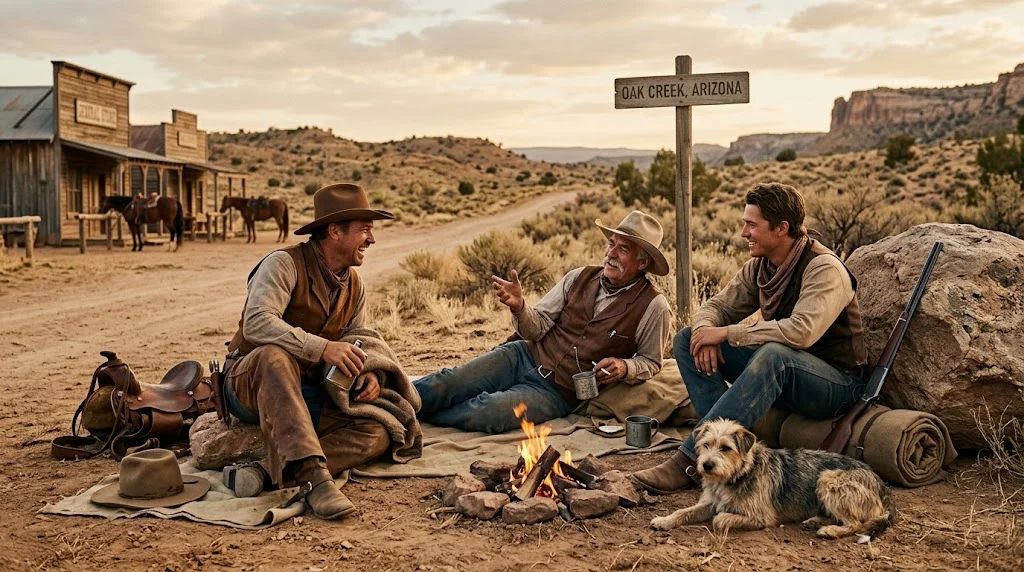
Another theory links the phrase to frontier and rural communities in the United States, where neighbors often gathered on porches, outside stores, or at community events simply to chat about daily life. These conversations were enjoyable but generally lacked a formal purpose.
Over time, the idiom spread throughout North America and eventually became familiar in other English-speaking countries through books, television, films, and popular culture. Today, it remains one of the most recognizable expressions for friendly, relaxed conversation.
Modern usage has expanded beyond face-to-face discussions. People now use shooting the breeze to describe casual conversations in video calls, instant messaging, workplace Slack channels, and social media exchanges whenever the discussion remains light and unstructured.
Synonyms & Alternatives by Tone
Professional & Neutral Alternatives
- Have an informal discussion
- Catch up
- Exchange ideas
- Have a conversation
- Chat briefly
- Talk informally
- Connect over conversation
- Discuss casually
- Have a friendly discussion
- Share updates
Polite & Supportive Alternatives
- Catch up together
- Have a friendly chat
- Check in
- Spend a few minutes talking
- Enjoy a conversation
- Talk for a while
- Reconnect
- Share thoughts
- Visit for a bit
- Have a pleasant conversation
Encouraging & Reassuring Alternatives
- Open up a conversation
- Share what’s on your mind
- Let’s talk
- Have a relaxed discussion
- Feel free to chat
- Exchange perspectives
- Talk things through
- Connect and talk
- Have an open conversation
- Start a conversation
Casual, Playful & Idiomatic Alternatives
- Chew the fat
- Shoot the bull
- Talk shop
- Chit-chat
- Gab
- Jaw
- Have a yarn
- Shoot the breeze
- Natter
- Catch up over coffee
When Should You Use “Shooting The Breeze”?
The phrase works best when you want to describe relaxed, friendly conversation without implying that an important decision is being made.
Professional Settings
In workplaces, shooting the breeze is appropriate when describing informal interactions before meetings, during coffee breaks, team lunches, or networking events. It signals relationship-building rather than business discussions.
Example:
“We spent a few minutes shooting the breeze before the client presentation started.”
Casual Conversations
Among friends, family members, or neighbors, the idiom naturally describes enjoyable conversations about everyday life, hobbies, travel, entertainment, or current events.
Example:
“We sat on the porch shooting the breeze until sunset.”
Writing, Presentations, and Digital Communication
Writers often use the phrase in blogs, newsletters, stories, or conversational articles to create an approachable tone. It also appears naturally in workplace messaging platforms when referring to informal team interaction.
Example:
“Join us fifteen minutes early if you’d like to shoot the breeze before the webinar.”
When It Is Especially Effective
The expression is particularly effective when emphasizing:
- Building relationships
- Creating rapport
- Relaxing before work
- Friendly networking
- Community engagement
- Informal team bonding
- Social conversations without pressure
Because the idiom immediately communicates warmth and ease, native speakers often associate it with approachable personalities and comfortable social environments.
When Should You Avoid “Shooting The Breeze”?
Although widely understood, the phrase is not appropriate in every situation.
Overly Formal Situations
Legal documents, government reports, executive communications, contracts, research papers, and official correspondence require more precise language.
Instead of:
“The committee was shooting the breeze.”
Prefer:
“The committee held an informal discussion.”
Legal, Academic, or Sensitive Contexts
When discussing healthcare, legal matters, financial planning, safety concerns, or academic research, the phrase may make an important conversation sound less serious than intended.
Situations Where Nuance May Be Lost
International audiences or English learners may interpret the phrase literally if they are unfamiliar with American idioms. In these situations, clearer alternatives improve understanding.
Likewise, avoid using it when discussing difficult conversations involving conflict resolution, performance reviews, disciplinary meetings, or emotional topics, as it may unintentionally minimize the importance of the discussion.
Is “Shooting The Breeze” Professional, Polite, or Casual?
Professional?
Partially. The phrase can fit professional environments when referring to informal conversation between colleagues, but it should generally stay out of formal reports, executive summaries, or client-facing documentation.
Polite?
Yes. It is friendly, respectful, and non-offensive. Most native speakers interpret it as positive and approachable.
Casual?
Absolutely. This is primarily a casual idiom used in everyday speech and conversational writing.
Formality Level
- Formal: ❌ Rarely appropriate
- Semi-formal: ✅ Sometimes appropriate
- Informal: ✅ Ideal
Emotional Subtext
The phrase suggests:
- Relaxation
- Friendliness
- Openness
- Comfort
- No pressure
- Genuine social connection
Unlike expressions that imply debate or negotiation, shooting the breeze focuses on enjoying conversation itself.
Audience Perception
Different audiences may perceive the phrase differently.
- Friends usually hear it as warm and natural.
- Colleagues often interpret it as relationship-building.
- Managers may use it to encourage team bonding.
- International readers may prefer clearer alternatives if the audience includes non-native English speakers.
Understanding these perceptions helps speakers choose language that matches both the audience and the communication goal.
Pros and Cons of Using “Shooting The Breeze”
Advantages
Clarity
For native English speakers, the phrase immediately communicates the idea of relaxed conversation without requiring additional explanation.
Efficiency
Instead of saying “having a casual conversation without discussing anything particularly important,” the idiom expresses the idea in just three words.
Accessibility
The phrase creates an approachable tone that makes conversations feel more welcoming, especially in blogs, newsletters, podcasts, and workplace communication.
Relationship Building
Using familiar idioms can help establish rapport and make interactions feel less formal.
Potential Drawbacks
Oversimplification
The phrase may unintentionally downplay conversations that contain meaningful or sensitive topics.
Tone Mismatch
Using it in legal, medical, academic, or executive communication may reduce perceived professionalism.
Repetition
Frequent use can make writing sound repetitive, particularly when describing multiple conversations.
Cultural Differences
Non-native speakers or international audiences may not immediately understand the idiom, making straightforward alternatives more effective in global communication.
Real-Life Examples of “Shooting The Breeze” by Context
Emails
“Let’s join the call five minutes early so we can shoot the breeze before everyone arrives.”
Meetings
“The team spent a few minutes shooting the breeze before moving into the project agenda.”
Presentations
“Before we begin, we’ll spend a minute shooting the breeze while everyone connects.”
Conversations
“We hadn’t seen each other for years, so we sat at the café shooting the breeze for nearly two hours.”
Social Media
*”Nothing beats sitting outside on a summer evening, shooting the breeze with good friends and a cup of coffee.”
“Shooting The Breeze” vs Similar Expressions (Key Differences)
Understanding similar expressions helps you choose language that matches the situation, audience, and tone. While these phrases all involve conversation, they differ in formality, purpose, and emotional nuance.
| Phrase | Meaning Difference | Tone Difference | Best Use Scenario |
| Shooting the breeze | Relaxed conversation without a specific purpose | Casual and friendly | Social chats, breaks, informal team interaction |
| Chit-chat | Very light small talk | Light and informal | Brief social exchanges |
| Catch up | Share updates after time apart | Warm and conversational | Friends, colleagues, former classmates |
| Chew the fat | Long, relaxed conversation | Informal and idiomatic | Friends, family, British English |
| Shoot the bull | Casual conversation, often humorous | Very casual | Close friends or informal groups |
| Talk shop | Discuss work or a shared interest | Casual but topic-specific | Colleagues discussing their field |
| Have a conversation | General discussion | Neutral | Any context |
Key takeaway
“Shooting the breeze” is broader and warmer than “chit-chat,” less update-focused than “catch up,” and usually less topic-specific than “talk shop.” It works best when the conversation is relaxed, enjoyable, and not driven by a clear objective.
Common Mistakes & Misuse of “Shooting The Breeze”
Even though the idiom is common, learners and writers sometimes use it in situations where it sounds awkward or unclear.
Overuse
Repeating the phrase too often can make writing feel informal and repetitive. Varying your wording improves readability.
Instead of using it repeatedly, alternate with:
- casual conversation
- friendly chat
- informal discussion
- catch up
- chat briefly
Incorrect Context
Avoid using the phrase when the conversation is serious, confidential, or high-stakes.
Incorrect: “The lawyers were shooting the breeze about the contract dispute.”
Better: “The lawyers were discussing the contract dispute.”
Contradictory Usage
The idiom should not describe a conversation that has a clear agenda, deadline, or decision-making purpose.
Incorrect: “We spent the meeting shooting the breeze and approving the final budget.”
Better: “We had an informal discussion before approving the final budget.”
Cultural Misunderstandings
Because it is an idiom, non-native speakers may interpret it literally. In international communication, clearer alternatives are often safer.
Better options for global audiences include:
- have an informal conversation
- chat casually
- catch up
- have a friendly discussion
Psychological Reason People Prefer “Shooting The Breeze”
People often choose this phrase because it describes conversation in a way that feels relaxed, social, and low-pressure.
Cognitive load reduction
The idiom quickly communicates that the conversation is informal. Listeners do not need to analyze whether it is a meeting, negotiation, debate, or interview.
Trust and authority signals
Using familiar conversational language can make a speaker seem approachable and easier to talk to, especially in team settings.
Attention economy
In fast-paced communication, short idioms save time while still conveying tone and context.
Modern communication habits
Digital communication often mixes professional and social interaction. Expressions like “shooting the breeze” help describe casual moments that build connection without sounding overly formal.
US vs UK Usage of “Shooting The Breeze”
| Aspect | United States | United Kingdom |
| Popularity | Very common | Recognized, but less common |
| Tone perception | Friendly and casual | Informal and American-sounding |
| Regional alternatives | shoot the breeze, shoot the bull | chew the fat, have a chat, natter |
| Workplace use | Common in informal contexts | Less common; alternatives preferred |
In American English, the phrase sounds natural and familiar. In British English, people may understand it, but expressions such as “have a chat,” “chew the fat,” or “natter” may sound more local.
“Shooting The Breeze” in Digital & Modern Communication
The idiom has adapted well to modern communication because informal conversation now happens both in person and online.
Emails
“Feel free to join a few minutes early if you’d like to shoot the breeze before the meeting.”
Slack / WhatsApp
“Anyone around for a quick break? Just shooting the breeze for a few minutes.”
Social media
“Spent the evening shooting the breeze with old friends.”
Video calls
“We were shooting the breeze before the webinar officially started.”
AI-generated summaries
In AI-generated meeting summaries, the phrase is usually replaced with more neutral wording such as:
- informal conversation before the meeting
- casual discussion
- team catch-up
- informal chat
This is because summaries often prioritize clarity over conversational tone.
Linguistic & Communication Insight
Emotional weight & subtext
Native speakers usually hear “shooting the breeze” as warm, relaxed, and socially comfortable. It suggests that the conversation is enjoyable and not demanding.
Direct vs indirect phrasing
The phrase is indirect in a positive way. Instead of saying “we talked casually for a while,” it adds a sense of ease and friendliness.
Professional communication perspective
In workplace communication, the idiom can help soften interactions and acknowledge informal relationship-building. However, it should not replace precise language when documenting decisions or outcomes.
Pragmatic reasons for alternatives
Professionals may choose alternatives such as “catch up” or “have an informal discussion” when they want to sound clearer, more inclusive, or more appropriate for international audiences.
Social signaling
Using the phrase can signal openness, approachability, and willingness to connect beyond formal roles.
Tone & context guidance
Use “shooting the breeze” when the goal is relaxed connection. Avoid it when the conversation needs to sound formal, serious, precise, or globally accessible.
In short, the idiom is effective because it combines meaning, tone, and social context in a compact expression. The key is choosing it when warmth and informality are appropriate—and replacing it when clarity or professionalism matters more.
Have a Friendly Chat

Meaning: Refers to having a relaxed, pleasant conversation with someone in an informal and welcoming way.
Why This Phrase Works: It is easy to understand, sounds warm, and is suitable for both native and non-native English speakers.
Real-World Usage Insight: People commonly use this expression before meetings, during coffee breaks, or when reconnecting with friends and colleagues.
Best Use: Workplace conversations, networking events, community gatherings, and casual emails.
Avoid When: Referring to formal negotiations, legal discussions, or academic debates.
Tone: Friendly, approachable, and neutral.
US vs UK Usage: Equally common and natural in both American and British English.
Example (Meeting): “Let’s have a friendly chat before everyone else joins the conference call.”
Catch Up
Meaning: Means sharing recent news or personal updates after not seeing or speaking to someone for some time.
Why This Phrase Works: It immediately tells the listener that the purpose is reconnecting rather than discussing business.
Real-World Usage Insight: Frequently used among coworkers returning from leave, old friends, classmates, and family members.
Best Use: Reunions, coffee meetings, video calls, and casual workplace conversations.
Avoid When: You are meeting someone for the first time or discussing urgent business.
Tone: Warm, conversational, and welcoming.
US vs UK Usage: Extremely popular and widely understood across both regions.
Example (Email): “Hi Emma, it’s been a while. Would you like to catch up over coffee next week?”
Have a Conversation
Meaning: Describes talking with another person without specifying whether the discussion is formal or informal.
Why This Phrase Works: It is clear, versatile, and appropriate for almost every audience.
Real-World Usage Insight: Speakers often choose this expression when they want to remain neutral without emphasizing the tone of the discussion.
Best Use: Professional communication, presentations, educational settings, and everyday conversations.
Avoid When: You specifically want to highlight relaxed or lighthearted conversation.
Tone: Neutral and flexible.
US vs UK Usage: Universally used throughout the English-speaking world.
Example (Meeting): “I’d like to have a conversation about next month’s project timeline.”
Chat Briefly
Meaning: Refers to talking for a short period without covering many details.
Why This Phrase Works: It sets expectations that the discussion will be quick and informal.
Real-World Usage Insight: Managers, coworkers, and friends frequently use this phrase before busy schedules or short meetings.
Best Use: Busy workdays, networking events, conferences, and quick check-ins.
Avoid When: A longer discussion or detailed planning session is expected.
Tone: Casual, efficient, and polite.
US vs UK Usage: Common in both American and British English.
Example (Message): “Do you have five minutes to chat briefly before your next meeting?”
Talk Informally
Meaning: Means discussing something in a relaxed and unofficial manner.
Why This Phrase Works: It clearly communicates that the conversation is exploratory rather than formal.
Real-World Usage Insight: Teams often use this phrase before official meetings or during brainstorming sessions.
Best Use: Early project discussions, mentoring, and workplace collaboration.
Avoid When: Official documentation or formal decisions are involved.
Tone: Neutral, relaxed, and collaborative.
US vs UK Usage: Equally understood in both countries.
Example (Meeting): “Before finalizing the proposal, let’s talk informally about everyone’s ideas.”
Connect Over Conversation
Meaning: Refers to building or strengthening a relationship through meaningful yet relaxed conversation.
Why This Phrase Works: It emphasizes human connection rather than simply exchanging words, making it suitable for both professional and personal settings.
Real-World Usage Insight: Companies often encourage employees to connect over conversation during networking events, team lunches, or onboarding sessions to build stronger working relationships.
Best Use: Team-building activities, networking, mentorship, and community events.
Avoid When: The interaction is highly formal, transactional, or requires immediate decision-making.
Tone: Warm, inclusive, and professional.
US vs UK Usage: Common and easily understood in both American and British English, though it appears more often in workplace and leadership communication.
Example (Meeting): “Before today’s workshop begins, we’ll have ten minutes to connect over conversation with colleagues from other departments.”
Discuss Casually
Meaning: Means talking about a topic in a relaxed, unofficial, and pressure-free way.
Why This Phrase Works: It communicates that ideas can be explored without the expectations of a formal meeting or structured debate.
Real-World Usage Insight: Teams frequently discuss projects casually before creating action plans or presenting recommendations.
Best Use: Brainstorming sessions, coffee chats, informal planning, and creative collaboration.
Avoid When: Final decisions, legal matters, or official approvals are being discussed.
Tone: Relaxed, collaborative, and neutral.
US vs UK Usage: Widely accepted in both regions with no notable differences.
Example (Meeting): “Let’s discuss the campaign casually before we decide on the final strategy.”
Have a Friendly Discussion
Meaning: Refers to exchanging thoughts respectfully in a welcoming and cooperative atmosphere.
Why This Phrase Works: It highlights both openness and mutual respect, making the conversation sound productive rather than argumentative.
Real-World Usage Insight: Managers often use this phrase when encouraging employees to share opinions without fear of criticism.
Best Use: Performance check-ins, mentoring sessions, classroom discussions, and community meetings.
Avoid When: The conversation involves disciplinary action, conflict resolution, or legal issues.
Tone: Professional, supportive, and approachable.
US vs UK Usage: Equally familiar in American and British English.
Example (Meeting): “We’ll have a friendly discussion about everyone’s suggestions before selecting the final proposal.”
Share Updates
Meaning: Means informing others about recent progress, events, or developments.
Why This Phrase Works: Unlike shooting the breeze, it gives the conversation a clear purpose while still sounding conversational.
Real-World Usage Insight: Teams regularly share updates during weekly meetings, project check-ins, and remote stand-ups.
Best Use: Project meetings, status reports, workplace communication, and family conversations.
Avoid When: The discussion has no specific topic or objective.
Tone: Professional, informative, and collaborative.
US vs UK Usage: Very common in both American and British workplaces.
Example (Email): “Let’s meet on Thursday afternoon to share updates on our client projects.”
Chit-Chat
Meaning: Refers to light, informal conversation about everyday topics without a serious objective.
Why This Phrase Works: It is one of the simplest and most widely recognized alternatives for describing casual small talk.
Real-World Usage Insight: People often engage in chit-chat while waiting for meetings to begin, standing in line, or attending social gatherings.
Best Use: Friendly conversations, networking events, casual introductions, and coffee breaks.
Avoid When: Discussing confidential, emotional, or high-priority subjects.
Tone: Casual, cheerful, and informal.
US vs UK Usage: Extremely common and natural in both American and British English.
Example (Social Media): “Sometimes the best part of a conference is the chit-chat between sessions that leads to unexpected ideas.”
Conclusion
Understanding Shooting The Breeze goes beyond simply learning another English idiom. It reflects how native speakers build relationships through relaxed, informal conversation without a specific agenda. Whether you’re a professional networking with colleagues, a student improving conversational English, an ESL learner expanding your vocabulary, or a content writer aiming for authentic language, knowing when and how to use this phrase can make your communication feel more natural. At the same time, recognizing its casual tone helps you decide when a more neutral or professional alternative is appropriate.
Expressions such as catch up, have a friendly chat, or have an informal discussion may better suit formal audiences or international readers. By understanding the meaning, history, tone, and practical use of Shooting The Breeze, you can communicate with greater confidence, improve audience engagement, and choose language that matches both your purpose and your audience in everyday conversations, workplace interactions, and digital communication.
FAQs
What does “Shooting The Breeze” mean?
Shooting The Breeze means having a relaxed, informal conversation about everyday topics without a specific purpose. It usually refers to friendly small talk between friends, coworkers, neighbors, or acquaintances. The phrase emphasizes enjoying conversation rather than making decisions or discussing serious matters.
Is “Shooting The Breeze” a professional expression?
It can be appropriate in informal workplace settings, such as team breaks, networking events, or casual conversations before meetings. However, it is generally unsuitable for formal reports, legal documents, executive communications, or academic writing. In professional contexts, alternatives like having an informal discussion or catching up often work better.
Is “Shooting The Breeze” an American or British expression?
The phrase originated in American English and remains much more common in the United States. British English speakers usually understand it but may naturally prefer expressions such as have a chat, chew the fat, or natter in everyday conversation.
Can I use “Shooting The Breeze” in an email?
Yes, but only in informal or semi-professional emails where a friendly tone is appropriate. For example, inviting coworkers to join a meeting early for casual conversation works well. Avoid using the idiom in official business correspondence or client-facing documents that require a more formal tone.
What is the difference between “Shooting The Breeze” and “Chit-chat”?
Both describe informal conversation, but chit-chat usually refers to very brief small talk. Shooting The Breeze often suggests a longer, more relaxed conversation where people simply enjoy talking without focusing on a specific objective.
What are the best alternatives to “Shooting The Breeze”?
Popular alternatives include catch up, have a friendly chat, chat briefly, have a conversation, discuss casually, share updates, chew the fat, shoot the bull, talk informally, and connect over conversation. The best choice depends on your audience, formality, and communication goals.
Should ESL learners use “Shooting the Breeze”?
Yes. It is a useful idiom to understand because native speakers use it regularly in casual conversation. However, learners should also know that it is informal and may not be appropriate in academic writing, business reports, or official presentations.
Why do native English speakers use this phrase?
Native speakers like the phrase because it quickly communicates the idea of relaxed, friendly conversation. It creates a welcoming tone, sounds natural, and helps describe social interactions without needing a lengthy explanation, making everyday communication more expressive.
Can “Shooting The Breeze” refer to online conversations?
Absolutely. Today, the phrase is commonly used for informal conversations on video calls, Slack, WhatsApp, social media, and online communities. As long as the discussion is relaxed and has no serious agenda, the expression fits naturally in digital communication.
When should I avoid using “Shooting the Breeze”?
Avoid using the phrase in legal, medical, financial, academic, or highly sensitive situations where precision and professionalism are essential. It may also confuse international audiences unfamiliar with English idioms, making straightforward alternatives a better choice.