

Imagine your manager announces that your team’s project has finally been approved after weeks of preparation. A colleague smiles and says, “I’m amped for this!” In another situation, a student might say they’re amped before a big sports competition or eagerly awaiting graduation. The phrase appears everywhere from workplaces and classrooms to social media and casual conversations because it quickly expresses strong excitement, energy, or enthusiasm.
Amped is a popular informal expression that helps speakers communicate emotional energy in a concise way. While it is highly effective in relaxed conversations, choosing the right alternative can make your message sound more professional, supportive, or polished depending on the audience. Understanding its meaning, tone, and appropriate substitutes helps professionals, students, ESL learners, and writers communicate with greater clarity while avoiding misunderstandings.
What Does “Amped” Mean?
Amped means feeling highly excited, energized, enthusiastic, or emotionally prepared for something. The word commonly describes a person who is full of anticipation or motivation before an event, activity, achievement, or challenge. It is usually informal and appears most often in everyday conversations, online communication, sports, entertainment, and workplace discussions.
Origin & History of “Amped”
The word amped developed from the abbreviation amp, short for amplified or amplifier. During the mid-20th century, musicians commonly used “amped” to describe instruments connected to amplifiers, making them louder and more powerful. Over time, the idea of being “powered up” gradually shifted from equipment to people.
By the 1970s and 1980s, American slang began using amped up to describe someone who felt energized, excited, emotionally charged, or highly motivated. Sports culture, rock music, television, and youth culture helped popularize the phrase.
Today, amped no longer refers only to amplification. Instead, it broadly describes emotional intensity, enthusiasm, readiness, or excitement. Modern English speakers use it before presentations, competitions, concerts, product launches, vacations, exams, and many other events where strong positive anticipation exists.
Synonyms & Alternatives by Tone
Professional & Neutral Alternatives
- Excited
- Enthusiastic
- Motivated
- Looking forward to
- Energized
- Ready
- Encouraged
- Inspired
Polite & Supportive Alternatives
- Happy about
- Delighted
- Pleased
- Encouraged
- Positive
- Hopeful
- Optimistic
- Glad
Encouraging & Reassuring Alternatives
- Confident
- Ready to go
- Prepared
- Feeling positive
- Inspired
- Motivated
- Fired up
- Looking forward to it
Casual, Playful & Idiomatic Alternatives
- Pumped
- Psyched
- Fired up
- Stoked
- Buzzing
- Hyped
- On fire
- Full of energy
- Ready to roll
- Can’t wait
When Should You Use “Amped”?
The phrase amped works best when you want to express genuine enthusiasm, excitement, or high energy in a natural, conversational way.
Professional Settings
Although informal, amped can work in workplaces with relaxed communication styles. Startup teams, creative agencies, marketing departments, and internal team chats often use it to express excitement before launches, presentations, or collaborative projects.
Examples include:
- “I’m amped for tomorrow’s product launch.”
- “The team is amped about the new partnership.”
Casual Conversations
Friends and family frequently use amped when discussing concerts, holidays, sporting events, birthdays, travel plans, or personal achievements. It sounds spontaneous and emotionally expressive without being overly dramatic.
Writing, Presentations, and Digital Communication
The phrase fits naturally in blogs, newsletters, LinkedIn updates with an informal tone, Slack conversations, WhatsApp messages, and social media captions. It adds personality while keeping communication concise.
When It Is Especially Effective
Amped is especially effective when:
- expressing anticipation before an event
- motivating a team
- celebrating progress
- sharing positive news
- encouraging excitement among a group
- creating energetic marketing or social media content
When Should You Avoid “Amped”?

Although common in modern English, amped is not suitable for every situation.
Overly Formal Situations
Formal business proposals, executive reports, academic research, legal documents, and official government communication generally require more neutral wording. Expressions like enthusiastic, motivated, or looking forward to appear more professional.
Legal, Academic, or Sensitive Contexts
Serious topics such as legal matters, medical discussions, crisis communication, disciplinary actions, or academic publications benefit from objective language. Using amped may unintentionally sound overly casual or emotionally exaggerated.
Situations Where Nuance May Be Lost
Because amped mainly signals excitement, it may not accurately describe more thoughtful emotions such as appreciation, cautious optimism, gratitude, confidence, or quiet determination. Choosing a more specific expression often improves clarity.
Is “Amped” Professional, Polite, or Casual?
Amped is primarily a casual expression with moderate acceptance in modern professional environments.
Its level of formality depends heavily on workplace culture. In relaxed organizations, creative industries, technology companies, and collaborative teams, it often sounds approachable and authentic. In traditional corporate environments, however, it may appear too informal.
Emotionally, amped communicates enthusiasm, confidence, energy, and readiness. Native speakers usually interpret it as sincere excitement rather than exaggerated emotion.
Audience perception also matters. Younger audiences and digital-first workplaces generally accept it without hesitation, while international audiences or formal clients may understand clearer alternatives such as excited, enthusiastic, or looking forward to more easily.
Pros and Cons of Using “Amped”
Advantages
Clarity
The phrase immediately communicates excitement and positive anticipation without requiring additional explanation.
Efficiency
One short word replaces longer expressions like “very excited and full of energy,” making conversations quicker and more natural.
Accessibility
Because it appears frequently in movies, television, sports, social media, and everyday conversation, many English speakers recognize and understand it instantly.
Potential Drawbacks
Oversimplification
Not every positive emotion is excitement. Sometimes words like confident, grateful, or motivated describe the situation more accurately.
Tone Mismatch
Using amped during formal presentations, legal communication, or executive correspondence can reduce professionalism.
Repetition
Repeatedly saying you’re amped in meetings, emails, or social posts can make communication sound predictable. Rotating among suitable alternatives keeps your language fresh and engaging.
Real-Life Examples of “Amped” by Context
Emails
“I’m amped to collaborate with your team on next week’s workshop and look forward to sharing ideas.”
Meetings
“Everyone seems amped about the product launch, so let’s use that energy to finalize today’s action items.”
Presentations
“Our development team is amped to introduce the latest features we’ve been building over the past six months.”
Conversations
“I’m absolutely amped for the weekend trip—we’ve been planning it for months.”
Social Media
“Beyond amped for tonight’s concert! It’s finally happening.”
“Amped” vs Similar Expressions (Key Differences)
| Phrase | Meaning Difference | Tone Difference | Best Use Scenario |
| Excited | General happiness or anticipation | Neutral | Professional and personal communication |
| Pumped | Strong physical or emotional energy | Casual | Sports, fitness, team motivation |
| Psyched | Mentally prepared and enthusiastic | Informal | Friends, school, social conversations |
| Stoked | Deep excitement, often about enjoyable experiences | Very casual | Travel, hobbies, outdoor activities |
| Hyped | Excited because of promotion or anticipation | Modern, informal | Entertainment, gaming, product launches |
| Motivated | Focused on achieving a goal rather than emotional excitement | Professional | Workplaces, education, personal development |
Common Mistakes & Misuse of “Amped”
One common mistake is overusing the phrase in every positive situation. Repeating amped too often can make writing feel repetitive and reduce its emotional impact.
Another issue is using it in the wrong context. Saying you’re amped during discussions about legal issues, company layoffs, or serious medical matters creates an inappropriate tone because the expression suggests excitement rather than seriousness.
Some learners also use amped in contradictory situations, such as describing feelings of sadness, disappointment, or exhaustion. Since the word implies high energy and enthusiasm, these combinations sound unnatural to native speakers.
Finally, cultural misunderstandings may occur. Although the phrase is widely understood in North America, international English speakers may find straightforward alternatives like excited or enthusiastic clearer, particularly in professional communication.
Psychological Reason People Prefer “Amped”
People naturally prefer short, emotionally expressive language because it reduces cognitive load. A single word like amped quickly communicates enthusiasm without requiring lengthy explanations.
The phrase also creates subtle trust and energy signals. When someone says they are amped, listeners often perceive genuine engagement, confidence, and willingness to participate. This positive emotional cue can improve team morale and make conversations feel more dynamic.
Modern communication also rewards brevity. In emails, messaging apps, and social media, concise expressions save attention while still conveying emotion. Amped fits perfectly within today’s attention economy, where people scan messages quickly and appreciate language that is easy to process.
US vs UK Usage of “Amped”
In the United States, amped is highly popular in everyday speech. It appears frequently in sports, entertainment, business startups, digital marketing, education, and casual workplace communication. Americans generally interpret it as a natural expression of excitement and readiness.
In the United Kingdom, the word is understood but is somewhat less common in everyday conversation. British English speakers often choose alternatives such as excited, looking forward to it, keen, or buzzing, depending on the context and region.
Overall, amped carries a casual tone in both varieties of English, but it feels slightly more native and widespread in American usage.
“Amped” in Digital & Modern Communication
Emails
In informal workplace emails, amped can make communication feel warm, collaborative, and enthusiastic without becoming overly emotional.
Example:
“We’re amped to begin working with your team next month.”
Slack / WhatsApp
Messaging platforms encourage conversational language, making amped a natural choice for celebrating milestones, announcing updates, or motivating colleagues.
Example:
“Everyone’s amped for tomorrow’s release!”
Social Media
Social media favors energetic, emotionally engaging language. Influencers, brands, athletes, and creators often use amped to generate excitement around events, launches, and announcements.
AI-Generated Summaries
Modern AI writing tools may preserve amped when summarizing informal conversations because it efficiently captures enthusiasm. However, when producing professional summaries or executive reports, AI systems often replace it with enthusiastic, motivated, or excited to better match formal expectations.
Linguistic & Communication Insight
Emotional Weight & Subtext
Beyond its dictionary meaning, amped signals emotional momentum. Native speakers often hear more than simple excitement—they perceive eagerness, confidence, optimism, and readiness to act. The phrase suggests that someone is mentally and emotionally engaged rather than merely happy.
Direct vs Indirect Phrasing
Amped is a direct expression of enthusiasm. Saying “I’m amped for the meeting” openly communicates energy and anticipation. Softer alternatives such as “I’m looking forward to the meeting” or “I’m pleased about the opportunity” express similar positivity while sounding more measured and professional. Choosing between direct and indirect phrasing depends on the audience, relationship, and desired level of emotional intensity.
Professional Communication Perspective
In collaborative workplaces, amped can strengthen team spirit by making enthusiasm visible. It works especially well during project launches, brainstorming sessions, and milestone celebrations. However, when communicating with executives, clients, legal teams, or international partners, more neutral wording often creates a stronger impression of professionalism while still expressing positivity.
Pragmatic Reasons for Alternatives
Experienced communicators frequently choose alternatives to balance enthusiasm with credibility. Expressions such as enthusiastic, motivated, encouraged, or looking forward to reduce the risk of sounding overly informal, help avoid unintended exaggeration, and make communication accessible to a wider audience. Selecting the right phrase also allows speakers to match the emotional intensity to the situation.
Social Signaling
Word choice influences how others perceive confidence, professionalism, and approachability. Using amped can signal openness, energy, and team engagement, especially in informal settings. In contrast, selecting more neutral language may communicate maturity, careful judgment, and reliability. Effective communicators recognize that even small wording choices shape trust, collaboration, and audience engagement.
Tone & Context Guidance
The safest approach is to match the phrase to the communication environment. Amped works best in friendly conversations, creative industries, internal team discussions, social media, and motivational settings. It becomes riskier in highly formal, academic, legal, or sensitive contexts where readers expect precise and objective language. Understanding both audience expectations and communication goals helps ensure the phrase strengthens your message rather than distracting from it.
Excited
Meaning: Feeling happy, enthusiastic, or eager about an upcoming event, opportunity, or achievement. It is one of the most versatile alternatives to amped and fits both personal and professional communication.
Why This Phrase Works: It clearly expresses positive anticipation without sounding overly casual, making it suitable for almost every audience.
Real-World Usage Insight: Professionals commonly use excited in emails, while friends naturally use it in conversations about trips, celebrations, or new experiences.
Best Use: Business emails, interviews, presentations, networking, and everyday conversations.
Avoid When: Extremely formal legal or academic writing where emotionally neutral wording is expected.
Tone: Positive, friendly, and adaptable.
US vs UK Usage: Equally common and natural in both American and British English.
Example (Email): “I’m excited to join the project kickoff next Monday and contribute to the team’s goals.”
Enthusiastic
Meaning: Showing genuine interest, motivation, and eagerness toward a task, idea, or opportunity.
Why This Phrase Works: It communicates energy while maintaining professionalism and credibility.
Real-World Usage Insight: Hiring managers, executives, and educators often prefer enthusiastic because it reflects commitment rather than emotional excitement alone.
Best Use: Job applications, business meetings, presentations, and client communication.
Avoid When: Casual conversations where it may sound more formal than necessary.
Tone: Professional, confident, and positive.
US vs UK Usage: Widely used in both regions with little difference in meaning.
Example (Meeting): “Our team is enthusiastic about implementing the new strategy during the next quarter.”
Motivated
Meaning: Feeling driven to take action, achieve goals, or complete responsibilities successfully.
Why This Phrase Works: It emphasizes determination instead of emotional excitement, making it valuable in professional settings.
Real-World Usage Insight: Leaders frequently describe employees as motivated when discussing productivity and long-term performance.
Best Use: Performance reviews, career discussions, education, and personal development.
Avoid When: You specifically want to express excitement rather than commitment.
Tone: Professional, focused, and encouraging.
US vs UK Usage: Equally popular across American and British English.
Example (Meeting): “The entire department feels motivated to improve customer satisfaction this year.”
Looking Forward To
Meaning: Expecting something pleasant or beneficial in the future with positive anticipation.
Why This Phrase Works: It sounds warm, respectful, and professional without appearing overly emotional.
Real-World Usage Insight: It is one of the most common closing expressions in professional emails because it builds rapport politely.
Best Use: Emails, business correspondence, networking, and client communication.
Avoid When: Fast-paced casual conversations where shorter expressions sound more natural.
Tone: Polite, professional, and optimistic.
US vs UK Usage: Extremely common and accepted in both countries.
Example (Email): “I look forward to discussing your proposal during next week’s meeting.”
Energized
Meaning: Feeling mentally or physically refreshed, active, and ready to perform.
Why This Phrase Works: It highlights readiness and vitality without sounding overly informal.
Real-World Usage Insight: Managers often use energized after workshops, conferences, or successful brainstorming sessions to describe team morale.
Best Use: Workplace updates, wellness discussions, presentations, and motivational speaking.
Avoid When: Describing quiet satisfaction or calm confidence.
Tone: Positive, dynamic, and professional.
US vs UK Usage: Common in both varieties of English, especially in business and leadership contexts.
Example (Meeting): “After yesterday’s workshop, everyone feels energized and ready to begin implementation.”
Inspired
Meaning: Feeling mentally encouraged or creatively influenced to take action, solve problems, or pursue meaningful goals.
Why This Phrase Works: It expresses deeper motivation than amped, suggesting thoughtful enthusiasm rather than temporary excitement.
Real-World Usage Insight: Leaders, educators, and creators often use inspired after hearing a powerful idea, attending a conference, or witnessing someone’s success.
Best Use: Speeches, workplace communication, creative projects, education, and personal growth discussions.
Avoid When: Referring to short-term excitement before a casual event or entertainment activity.
Tone: Positive, reflective, and encouraging.
US vs UK Usage: Equally common and well understood in both American and British English.
Example (Meeting): “After hearing the customer success stories, our team feels inspired to improve the onboarding experience.”
Pumped
Meaning: Feeling extremely excited, energetic, and mentally prepared for an upcoming event or challenge.
Why This Phrase Works: It delivers the same high-energy feeling as amped while sounding natural in everyday speech.
Real-World Usage Insight: Athletes, coaches, students, and colleagues frequently use pumped before competitions, presentations, product launches, or celebrations.
Best Use: Team meetings, sports, casual workplace conversations, and social events.
Avoid When: Writing formal reports, legal documents, or executive communications.
Tone: Casual, energetic, and enthusiastic.
US vs UK Usage: More common in American English but widely understood in the UK.
Example (Social Media): “Completely pumped for tomorrow’s marathon after months of training!”
Psyched
Meaning: Feeling mentally excited, eager, or emotionally prepared for something enjoyable or important.
Why This Phrase Works: It communicates genuine anticipation in a relaxed and conversational way.
Real-World Usage Insight: Native speakers commonly use psyched before vacations, concerts, interviews, sporting events, and major life milestones.
Best Use: Conversations with friends, social posts, and informal workplace chats.
Avoid When: Communicating with clients or in highly professional settings where clearer language is preferred.
Tone: Informal, upbeat, and friendly.
US vs UK Usage: Very common in the United States; recognized but somewhat less frequent in British English.
Example (Message): “I’m psyched about finally meeting everyone at the annual company retreat.”
Fired Up
Meaning: Feeling highly motivated, passionate, and ready to take action or overcome a challenge.
Why This Phrase Works: It combines emotional energy with determination, making it stronger than simply feeling excited.
Real-World Usage Insight: Coaches, team leaders, and motivational speakers often use fired up to encourage confidence and momentum before important events.
Best Use: Team motivation, leadership talks, sports, and collaborative projects.
Avoid When: Discussing sensitive issues where strong emotional language may seem excessive.
Tone: Motivational, energetic, and confident.
US vs UK Usage: More frequently heard in American English but easily understood by UK audiences.
Example (Meeting): “Everyone is fired up to deliver the new product before the holiday season.”
Ready to Go
Meaning: Fully prepared and able to begin an activity, task, or event immediately.
Why This Phrase Works: It focuses on readiness rather than excitement, making it useful in both casual and professional communication.
Real-World Usage Insight: Teams often use ready to go before presentations, project launches, training sessions, or client meetings because it communicates confidence without sounding emotional.
Best Use: Workplace updates, meetings, presentations, travel, and everyday conversations.
Avoid When: You want to emphasize excitement rather than preparation.
Tone: Neutral, practical, and confident.
US vs UK Usage: Extremely common in both American and British English with the same meaning.
Example (Meeting): “The presentation has been reviewed, and we’re ready to go as soon as the client joins.”
Comparison Table of 10 Best Alternatives
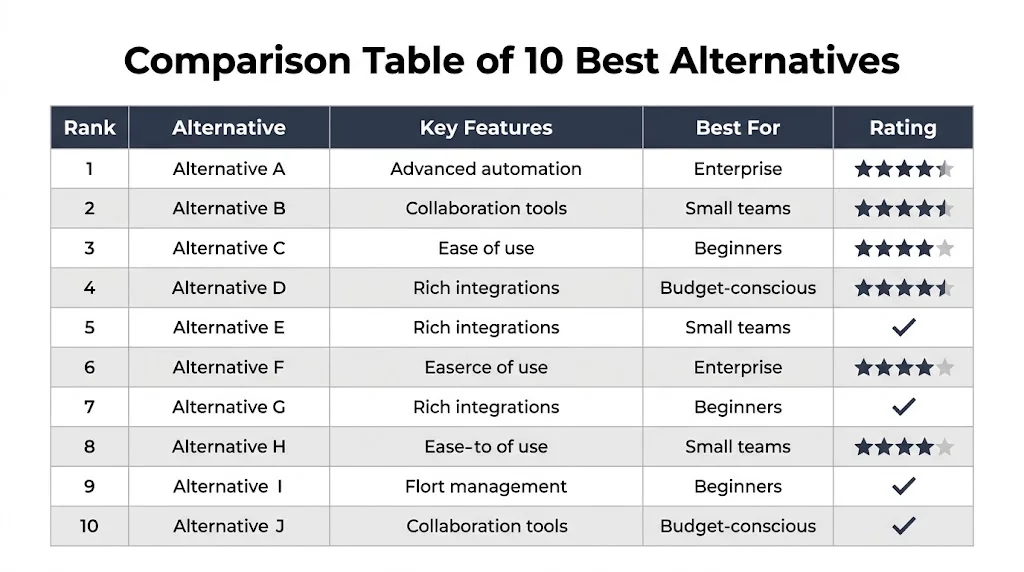
The best alternative depends on your audience, purpose, and level of formality. The following comparison highlights ten versatile options that cover professional communication, casual conversations, and everyday English while helping you choose the most appropriate expression.
| Phrase | Meaning | Best Use | Worst Use | Tone | US vs UK Usage |
| Excited | Feeling happy and eager about something | Everyday conversations, emails, presentations | Very formal legal writing | Neutral and positive | Equally common in both |
| Enthusiastic | Showing genuine interest and motivation | Business communication, interviews, meetings | Casual slang-heavy conversations | Professional | Equally common in both |
| Motivated | Driven to achieve a goal | Workplace, education, performance reviews | Celebratory situations | Professional and focused | Equally common in both |
| Looking Forward To | Positive anticipation of a future event | Professional emails, networking | Urgent announcements | Polite and professional | Equally common in both |
| Energized | Feeling refreshed and ready | Team meetings, leadership, workshops | Quiet reflective discussions | Positive and dynamic | Common in both |
| Inspired | Encouraged by ideas or experiences | Speeches, creative work, education | Describing short-term excitement | Thoughtful and uplifting | Common in both |
| Pumped | Extremely excited and ready | Sports, team events, casual work chats | Formal reports | Casual and energetic | More common in the US |
| Fired Up | Highly motivated and passionate | Team motivation, leadership, sports | Sensitive conversations | Strong and motivational | More common in the US |
| Confident | Sure of success or ability | Presentations, interviews, business | Celebratory announcements | Professional and composed | Equally common in both |
| Prepared | Ready through planning and organization | Meetings, presentations, projects | Expressing emotional excitement | Calm and dependable | Equally common in both |
Conclusion
The phrase amped has become a staple of modern English because it conveys excitement, energy, and eagerness in a single, memorable word. Whether you’re talking about a new job, an upcoming presentation, a sporting event, or a personal milestone, amped instantly communicates enthusiasm and readiness. However, effective communication is about more than expressing emotion; it also requires choosing language that matches your audience and context. In professional settings, alternatives such as enthusiastic, motivated, prepared, or looking forward to often create a more polished impression while preserving a positive tone.
In casual conversations, social media, and creative workplaces, amped, pumped, or stoked can make your message feel energetic and authentic. By understanding the phrase’s meaning, origin, tone, and appropriate alternatives, you can communicate more naturally and confidently. Expanding your vocabulary also improves clarity, strengthens professional relationships, and helps your writing connect with diverse audiences across both personal and workplace communication.
FAQs
What does “amped” mean?
Amped means feeling highly excited, energized, or enthusiastic about something that is about to happen. It often expresses anticipation before an event, project, competition, or achievement. The phrase is informal and commonly appears in conversations, social media, and relaxed workplace communication where positive energy and motivation are being shared.
Is “amped” considered slang?
Yes. Amped originated as slang but has become widely accepted in everyday English. Although it remains informal, native speakers frequently use it in conversations, online messages, marketing, sports, and entertainment. It is generally understood by English speakers, but more formal alternatives may be better for official documents and professional reports.
Can I use “amped” in professional emails?
You can use amped in professional emails if your workplace encourages casual communication and your audience is familiar with informal English. For external clients, executives, or formal correspondence, expressions like enthusiastic, excited, or looking forward to usually sound more professional while conveying the same positive intention.
What’s the difference between “amped” and “excited”?
Both words express positive anticipation, but amped usually suggests stronger energy and readiness for action. Excited is more neutral and works in almost every setting, including formal communication. If you want to sound energetic and conversational, amped is appropriate; if you need broader versatility, excited is often the safer choice.
Is “amped” more common in the US or the UK?
Amped is significantly more common in American English, where it is used in sports, business, entertainment, and everyday conversation. British English speakers understand the phrase but are more likely to use alternatives such as excited, keen, or buzzing, depending on the situation and regional preference.
What are the best professional alternatives to “amped”?
Professional alternatives include enthusiastic, motivated, prepared, committed, energized, and looking forward to. These expressions communicate positivity without sounding overly casual. The best option depends on your audience, with looking forward to and enthusiastic being especially effective in emails, meetings, and presentations.
Can ESL learners use the word “amped”?
Absolutely. ESL learners can confidently use amped in informal conversations, social media posts, and friendly workplace discussions. However, it’s also important to learn more neutral alternatives because some international audiences or formal settings may respond better to words like excited or enthusiastic.
Why is “amped” so popular in modern communication?
People prefer amped because it quickly communicates excitement using just one word. Its brevity suits today’s fast-paced communication on messaging apps, social media, and collaborative workplace platforms. It also sounds authentic and conversational, making interactions feel more engaging and relatable than longer, more formal expressions.
When should I avoid using “amped”?
Avoid amped in legal documents, academic papers, official government communication, medical discussions, and other contexts that require precise, objective language. In these situations, more neutral expressions such as prepared, confident, or enthusiastic help maintain professionalism and reduce the risk of sounding overly informal.
What is the closest synonym for “amped”?
The closest synonym depends on the context. Excited is the most universal replacement because it works in nearly every situation. If you want to emphasize energy, pumped or fired up are strong informal alternatives. For professional communication, enthusiastic and motivated are usually the best substitutes.


