A performer stands backstage moments before a play begins. A student prepares to deliver a final presentation. A colleague is about to lead an important meeting. In each situation, someone may say, “Break a leg.” Although the phrase sounds negative when interpreted literally, it is actually a traditional way of wishing someone good luck.
“Break a leg” is an idiom that means “good luck” or “I hope you succeed,” especially before an important event or performance. The phrase remains popular because it is short, memorable, and emotionally supportive. However, the best alternative depends on the situation. A workplace message, academic presentation, casual conversation, and professional email may require different levels of warmth and formality.
Understanding similar expressions helps speakers and writers choose language that matches their audience, purpose, and relationship.
What Does “Break A Leg” Mean?
“Break a leg” is an informal expression used to wish someone success before an important activity, especially a performance, presentation, competition, or public event. The phrase means “good luck” or “I hope everything goes well.” It is commonly used in casual conversations where encouragement and positive energy are appropriate.
The core idea behind “break a leg” is expressing support without directly saying “good luck.” It communicates confidence, encouragement, and a shared understanding that the person is about to do something meaningful.
Origin & History of “Break A Leg”
The exact origin of “break a leg” is uncertain, but several theories explain how the phrase developed.
One common theory connects it to theatre traditions. Actors historically believed that directly wishing someone “good luck” could bring bad fortune, so performers began using a reversed expression instead. Saying something that sounded unlucky was believed to avoid tempting fate.
Another theory links the phrase to stage performances, where “breaking a leg” may have referred to successfully taking a bow after a performance. The phrase became especially associated with actors and later expanded into everyday English.
Today, “break a leg” has moved beyond theatre. People use it before interviews, exams, presentations, sports events, and other situations where someone wants to perform well.
Synonyms & Alternatives by Tone
Professional & Neutral Alternatives
- Wishing you success
- Best wishes
- I wish you the best
- Good luck with your presentation
- I hope it goes well
- All the best
- Wishing you a successful outcome
Polite & Supportive Alternatives
- I’m rooting for you
- I hope everything goes smoothly
- Sending my best wishes
- You’ve got this
- I’m wishing you success
Encouraging & Reassuring Alternatives
- You’re going to do great
- Trust yourself
- You’re ready for this
- I believe in you
- You’ll do an amazing job
Casual, Playful & Idiomatic Alternatives
- Knock ’em dead
- Go crush it
- Nail it
- Smash it
- You’ve got this
When Should You Use “Break A Leg”?

Professional settings
“Break a leg” can work in creative workplaces, especially among performers, designers, writers, speakers, and teams with a relaxed culture. It creates a friendly and supportive atmosphere.
For example, a manager might say it to an employee before a conference presentation if the workplace communication style is informal.
Casual conversations
The phrase is most natural among friends, classmates, teammates, and colleagues who already share a comfortable relationship.
Writing, presentations, and digital communication
It is commonly used in messages, group chats, and social media posts. However, professional emails may require a more direct phrase such as “Best wishes for your presentation.”
When it is especially effective
“Break a leg” works best when:
- The audience understands idiomatic English
- The relationship is friendly or informal
- The situation involves performance, effort, or achievement
When Should You Avoid “Break A Leg”?
Avoid using the phrase when:
- Communicating with someone unfamiliar with English idioms
- Writing highly formal business messages
- Sending legal, academic, or official communication
- Speaking to someone who may interpret the phrase literally
In international communication, a clearer phrase like “I wish you success” may prevent confusion.
Is “Break A Leg” Professional, Polite, or Casual?
“Break a leg” is generally casual and friendly rather than formal or corporate.
Its emotional meaning is positive, but its wording is playful. Native speakers usually understand that it shows encouragement, not concern.
In professional environments, the phrase depends heavily on company culture. A theatre director may use it naturally, while a lawyer writing to a client before a court appearance may choose a more formal alternative.
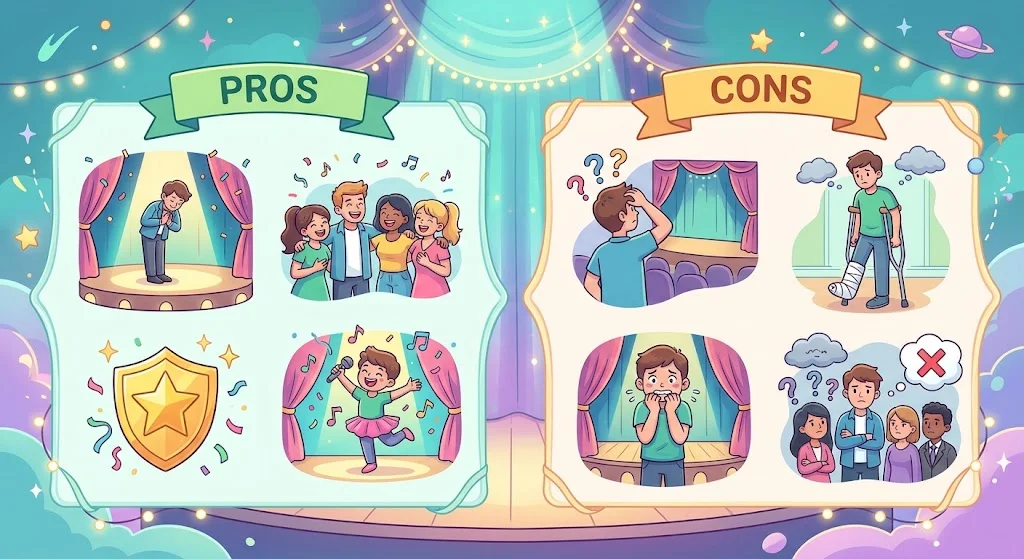
Pros and Cons of Using “Break A Leg”
Advantages
- Clarity: Native speakers immediately understand the intended meaning.
- Efficiency: It communicates encouragement in three short words.
- Accessibility: It is memorable and widely recognized.
- Emotional connection: It creates a sense of friendliness and support.
Potential Drawbacks
- Oversimplification: It may not communicate the seriousness of a situation.
- Tone mismatch: Some audiences may find it too casual.
- Repetition: Frequent use can make messages feel less personal.
Real-Life Examples of “Break A Leg” by Context
“Hi Sarah, I heard you’re presenting at the industry event tomorrow. Break a leg — your preparation really shows, and I’m sure you’ll do well.”
Meeting
“Your client presentation starts in ten minutes? Break a leg. You’ve prepared everything carefully.”
Presentation
A speaker’s colleague says backstage: “Break a leg! The audience is going to love your ideas.”
Conversation
“My interview is tomorrow morning.”
“Break a leg! I hope you get the opportunity.”
Social media
“Big day tomorrow — presenting my research at the conference. Break a leg to everyone presenting!”
“Break A Leg” vs Similar Expressions (Key Differences)
| Phrase | Meaning Difference | Tone Difference | Best Use Scenario |
| Good luck | Directly wishes success | Neutral and universal | Everyday situations |
| Best wishes | Offers polite support | Professional and respectful | Emails and formal messages |
| Knock ’em dead | Means impress people greatly | Playful and energetic | Performances and presentations |
| You’ve got this | Shows confidence in someone’s ability | Warm and encouraging | Friends and colleagues |
| All the best | Expresses positive wishes | Polite and flexible | Work and personal communication |
| Nail it | Means doing something extremely well | Casual and confident | Exams, interviews, presentations |
Common Mistakes & Misuse of “Break A Leg”
Common mistakes include:
- Using it with people unfamiliar with English idioms
- Saying it during sensitive situations where a serious tone is needed
- Assuming every culture understands the expression
- Using it in highly formal communication
The phrase works because of shared cultural understanding. Without that context, the intended encouragement may be unclear.
Psychological Reasons People Prefer “Break A Leg”
People often prefer short expressions like “break a leg” because they reduce communication effort while carrying emotional meaning.
The phrase works through:
- Cognitive load reduction: A familiar phrase communicates quickly.
- Trust signals: Shared idioms create social connection.
- Attention economy: Short phrases are easier to remember in digital communication.
- Communication habits: Modern conversations often favor quick, expressive language.
US vs UK Usage of “Break A Leg”
In both the US and UK, “break a leg” is widely understood, especially in theatre and entertainment.
In the US, the phrase is commonly used in schools, workplaces, and casual conversations before important events.
In the UK, it remains strongly connected with theatre culture but is also understood in everyday English.
The main difference is not meaning but frequency and context. Some speakers use it regularly, while others prefer clearer expressions such as “good luck.”
“Break A Leg” in Digital & Modern Communication
Emails
Used mainly in friendly workplace communication.
Slack / WhatsApp
Very common because short supportive messages fit informal platforms.
Social media
Often appears in posts supporting performers, athletes, speakers, and creators.
AI-generated summaries
Automated communication tools may replace idioms with clearer phrases because expressions like “break a leg” depend on cultural understanding.
Linguistic & Communication Insight
Emotional weight & subtext
Beyond the literal words, native speakers usually hear encouragement, confidence, and friendship. The phrase signals, “I support you and believe you can succeed.”
Direct vs indirect phrasing
“Good luck” is direct. “Break a leg” is indirect because the speaker relies on shared cultural knowledge. This indirectness creates personality and warmth but may reduce clarity for unfamiliar audiences.
Professional communication perspective
In workplaces, word choice influences credibility. “Break a leg” can build connection in creative teams but may appear too informal in client-facing situations.
Pragmatic reasons for alternatives
Experienced communicators often choose alternatives to control tone. “Wishing you success” sounds professional, while “You’ve got this” creates personal encouragement.
Social signaling
Language choices show relationship, confidence, and awareness. The right phrase helps people feel understood and respected.
Tone & context guidance
Use “break a leg” when warmth and familiarity matter. Choose alternatives when clarity, professionalism, or cultural neutrality is more important.
Good Luck
Meaning
A direct expression used to wish someone success.
Why This Phrase Works
It is universally understood and appropriate in most situations.
Real-World Usage Insight
People use it before exams, interviews, performances, and important events.
Best Use
Everyday conversations, schools, and workplaces.
Avoid When
You want a more personal or memorable expression.
Tone
Neutral and friendly.
US vs UK Usage
Common in both regions.
Example (Email / Message / Meeting)
“Good luck with your interview tomorrow. I hope it goes well.”
Best Wishes
Meaning
A polite expression showing support and positive hopes.
Why This Phrase Works
It sounds respectful without being overly formal.
Real-World Usage Insight
Frequently used in professional emails and written messages.
Best Use
Work communication, congratulations, formal notes.
Avoid When
Speaking casually with close friends.
Tone
Polite and professional.
US vs UK Usage
Widely used in both.
Example (Email / Message / Meeting)
“Best wishes for your presentation tomorrow. I’m sure your preparation will pay off.”
You’ve Got This
Meaning
A phrase showing confidence in someone’s ability.
Why This Phrase Works
It focuses on the person’s capability rather than luck.
Real-World Usage Insight
Common among colleagues, friends, and teams.
Best Use
Motivational conversations.
Avoid When
A formal message requires distance.
Tone
Warm and encouraging.
US vs UK Usage
Very common in both regions.
Example (Email / Message / Meeting)
“Your final interview is today — you’ve got this!”
Knock ’Em Dead
Meaning
“Knock ’em dead” means to impress people greatly through skill, confidence, or performance.
Why This Phrase Works
It creates excitement and communicates strong confidence in someone’s ability.
Real-World Usage Insight
The phrase is especially common before performances, presentations, auditions, and public appearances.
Best Use
Creative industries, speeches, interviews, and informal encouragement.
Avoid When
Communicating in highly formal or unfamiliar professional settings.
Tone
Energetic, playful, and confident.
US vs UK Usage
Very common in the US, especially in entertainment and workplace encouragement. It is understood in the UK but used less frequently.
Example (Email / Message / Meeting)
“Your product launch presentation is tomorrow. Knock ’em dead — the team knows how much work you’ve put into it.”
All The Best
Meaning
“All the best” expresses good wishes and positive support for someone’s future success.
Why This Phrase Works
It is flexible, polite, and suitable for many personal and professional situations.
Real-World Usage Insight
Many people use it when ending emails, messages, or conversations before an important event.
Best Use
Professional emails, farewell messages, and general encouragement.
Avoid When
You want a highly emotional or enthusiastic message.
Tone
Polite, warm, and neutral.
US vs UK Usage
Extremely common in the UK and widely understood in the US.
Example (Email / Message / Meeting)
“All the best for your upcoming presentation. I’m looking forward to hearing how it goes.”
Nail It
Meaning
“Nail it” means to perform something successfully or complete it extremely well.
Why This Phrase Works
It focuses on achievement and confidence rather than luck.
Real-World Usage Insight
People commonly use it before interviews, exams, presentations, and creative projects.
Best Use
Casual workplace conversations, friends, and team communication.
Avoid When
Writing formal business correspondence.
Tone
Casual, confident, and enthusiastic.
US vs UK Usage
Popular in both the US and UK, especially among younger speakers.
Example (Email / Message / Meeting)
“Your demo is ready, and the feedback has been great. You’re going to nail it tomorrow.”
I’m Rooting For You
Meaning
“I’m rooting for you” means you support someone and hope they succeed.
Why This Phrase Works
It creates a personal connection by showing emotional support.
Real-World Usage Insight
The phrase is often used when someone faces an important challenge or milestone.
Best Use
Friends, mentors, teammates, and supportive workplace relationships.
Avoid When
A formal or distant professional tone is required.
Tone
Personal, warm, and encouraging.
US vs UK Usage
Very common in the US. In the UK, “I’m backing you” or “I’m behind you” may sound more natural.
Example (Email / Message / Meeting)
“I know your interview process has been demanding, but I’m rooting for you. You’ve prepared well.”
You’re Going To Do Great
Meaning
This phrase expresses confidence that someone will perform successfully.
Why This Phrase Works
It provides reassurance and reduces anxiety before important moments.
Real-World Usage Insight
Used frequently among friends, coworkers, and mentors before stressful events.
Best Use
Presentations, interviews, exams, and personal challenges.
Avoid When
Someone needs practical feedback rather than encouragement.
Tone
Positive, supportive, and reassuring.
US vs UK Usage
Common in both regions.
Example (Email / Message / Meeting)
“Your conference talk is tomorrow morning. You’re going to do great — your research is impressive.”
I Wish You Success
Meaning
“I wish you success” expresses a hope that someone achieves their goals.
Why This Phrase Works
It sounds respectful and professional while clearly communicating support.
Real-World Usage Insight
Often used in formal messages, career situations, and international communication.
Best Use
Business emails, academic communication, and professional relationships.
Avoid When
Speaking with close friends who expect a more casual expression.
Tone
Formal, respectful, and supportive.
US vs UK Usage
Understood in both regions, though “best wishes” may sound more natural in everyday UK communication.
Example (Email / Message / Meeting)
“I wish you success in your new role and hope this opportunity brings great results.”
Hope It Goes Well
Meaning
This phrase expresses a positive expectation about an upcoming event.
Why This Phrase Works
It sounds natural, sincere, and appropriate without being exaggerated.
Real-World Usage Insight
Native speakers often use it because it feels conversational and genuine.
Best Use
Daily conversations, workplace chats, and personal messages.
Avoid When
You need to show strong confidence or excitement.
Tone
Friendly, calm, and supportive.
US vs UK Usage
Common in both American and British English.
Example (Email / Message / Meeting)
“I heard your client meeting is this afternoon. Hope it goes well.”
Sending My Best Wishes
Meaning
A polite way to communicate support and positive feelings.
Why This Phrase Works
It adds warmth while maintaining professionalism.
Real-World Usage Insight
Often appears in written communication where the sender wants to sound thoughtful.
Best Use
Emails, cards, professional announcements, and congratulations.
Avoid When
A short, casual message is more appropriate.
Tone
Warm and respectful.
US vs UK Usage
Used in both regions, especially in written English.
Example (Email / Message / Meeting)
“Sending my best wishes for your first day at the new company.”
Trust Yourself
Meaning
“Trust yourself” encourages someone to rely on their preparation and abilities.
Why This Phrase Works
It builds confidence by focusing on personal capability.
Real-World Usage Insight
Commonly used by mentors, teachers, managers, and friends.
Best Use
Before exams, interviews, presentations, or difficult decisions.
Avoid When
Someone needs specific guidance instead of motivation.
Tone
Motivational and supportive.
US vs UK Usage
Common in both regions.
Example (Email / Message / Meeting)
“You’ve practiced your presentation several times. Trust yourself and share your ideas confidently.”
You’re Ready For This
Meaning
This phrase tells someone they have prepared enough to handle a challenge.
Why This Phrase Works
It reassures people by recognizing their effort and preparation.
Real-World Usage Insight
Frequently used in coaching, teamwork, and personal encouragement.
Best Use
Professional development, competitions, and important events.
Avoid When
The person needs honest criticism or preparation advice.
Tone
Encouraging and confident.
US vs UK Usage
Common in both American and British English.
Example (Email / Message / Meeting)
“The final interview is tomorrow. You’re ready for this — you’ve done the research and preparation.”
Go Crush It
Meaning
“Go crush it” means to perform extremely well or achieve a goal successfully.
Why This Phrase Works
It creates energy and excitement before a challenge.
Real-World Usage Insight
Popular in modern workplace culture, especially among startups and younger teams.
Best Use
Informal conversations, team chats, and motivational messages.
Avoid When
Communicating with conservative or highly formal audiences.
Tone
Energetic and informal.
US vs UK Usage
Very common in the US. Understood in the UK but may feel more influenced by American workplace culture.
Example (Email / Message / Meeting)
“Your pitch starts in an hour. Go crush it — the whole team is supporting you.”
Smash It
Meaning
“Smash it” means to do something exceptionally well.
Why This Phrase Works
It expresses strong confidence and enthusiasm.
Real-World Usage Insight
The phrase is especially common in British informal English.
Best Use
Friends, teams, sports, and casual encouragement.
Avoid When
Writing formal workplace communication for international audiences.
Tone
Casual, enthusiastic, and energetic.
US vs UK Usage
Very common in the UK. In the US, “crush it” is usually more common.
Example (Email / Message / Meeting)
“Good luck with your final assessment tomorrow. I know you’ll smash it.”
Comparison Table of 10 Best Alternatives
The following alternatives represent the most useful choices across professional, personal, and casual communication. The best option depends on the relationship, situation, and level of formality required.
| Phrase | Meaning | Best Use | Worst Use | Tone | US vs UK Usage |
| Good Luck | Directly wishes success | Everyday situations | When you want a more personal message | Neutral | Common in both |
| Best Wishes | Offers polite support | Emails and formal messages | Very casual conversations | Professional | Common in both |
| You’ve Got This | Shows confidence in someone | Friends and teams | Highly formal writing | Encouraging | Common in both |
| Knock ’Em Dead | Encourages impressive performance | Presentations and performances | Formal business communication | Playful | More common in the US |
| All The Best | Gives positive wishes | Work and personal messages | Emotional situations needing warmth | Polite | Especially common in the UK |
| Nail It | Means perform very well | Interviews and presentations | Formal documents | Casual | Common in both |
| I’m Rooting For You | Shows personal support | Friends and mentors | Formal corporate messages | Warm | More common in the US |
| I Wish You Success | Expresses professional support | Business and academic settings | Close friendships | Formal | Common in both |
| Hope It Goes Well | Expresses positive expectations | Conversations and messages | Major formal announcements | Friendly | Common in both |
| Go Crush It | Encourages strong performance | Informal teams and chats | Traditional professional settings | Energetic | More common in the US |
Conclusion
“Break a leg” is more than a simple phrase for wishing someone luck. It is a widely recognized English idiom that expresses encouragement, confidence, and support before an important event or performance. Although its literal meaning sounds negative, native speakers understand it as a positive message in the right context.
The phrase works especially well in casual conversations, creative industries, presentations, and supportive personal communication. However, choosing the right alternative depends on your audience, relationship, and purpose. Expressions such as “best wishes,” “you’ve got this,” or “I wish you success” may be better choices when clarity and professionalism matter.
Understanding the meaning, history, tone, and alternatives of “break a leg” helps speakers, writers, students, and professionals communicate more naturally. The most effective communication is not only about knowing words but also knowing when, where, and with whom to use them.
FAQs About “Break A Leg”
What does “break a leg” mean?
“Break a leg” means good luck or “I hope you succeed.” It is an informal English expression used before performances, presentations, interviews, competitions, and other important events. The phrase does not carry a negative meaning in normal conversation. Instead, it shows encouragement and support, especially when someone is about to perform or achieve something.
Why do people say “break a leg” instead of “good luck”?
People often say “break a leg” because it developed as a traditional expression, especially in theatre culture, where directly saying “good luck” was sometimes considered unlucky. Today, it is mainly used because it sounds memorable, friendly, and supportive. It adds personality and warmth compared with a straightforward phrase like “good luck.”
Is “break a leg” a professional phrase?
“Break a leg” can be professional in relaxed workplaces, creative industries, and friendly team environments. However, it is not usually considered a formal business expression. For clients, official emails, academic communication, or serious situations, alternatives like “best wishes” or “wishing you success” are often more appropriate.
Is “break a leg” rude or negative?
No, “break a leg” is not rude or negative when used correctly. Native English speakers understand it as a positive expression of encouragement. The phrase may only confuse when spoken to someone unfamiliar with English idioms or when used in situations where a serious and formal tone is required.
When should you use “break a leg”?
You can use “break a leg” before performances, presentations, speeches, exams, interviews, sports events, or major personal milestones. It works best when speaking with friends, classmates, teammates, or colleagues in a comfortable environment. The phrase is especially effective when the goal is to create excitement and show confidence.
What are the best alternatives to “break a leg”?
Popular alternatives include “good luck,” “best wishes,” “you’ve got this,” “all the best,” “hope it goes well,” and “I’m rooting for you.” The best choice depends on the situation. Formal settings usually require clearer phrases, while casual conversations allow more expressive and playful alternatives.
Is “break a leg” more common in the US or the UK?
“Break a leg” is understood in both American and British English. In the United States, it is commonly used in entertainment, schools, workplaces, and everyday conversations. In the UK, it has a strong connection with theatre but is also recognized more broadly. The difference is mainly about frequency, not meaning.
Can you use “break a leg” in an email?
Yes, you can use “break a leg” in an email when the relationship is informal and friendly. For example, a coworker might write it before a presentation or event. However, professional emails to clients, executives, or unfamiliar contacts usually benefit from more neutral expressions like “wishing you success” or “best wishes.”
What is the difference between “break a leg” and “good luck”?
“Good luck” directly expresses a wish for success, while “break a leg” uses an idiomatic expression with the same intention. “Good luck” is universal and suitable for almost any audience. “Break a leg” feels more casual, expressive, and culturally specific, making it better for familiar situations.
Can ESL learners use “break a leg” naturally?
Yes, ESL learners can use “break a leg” naturally once they understand its meaning and cultural context. It is important to remember that the phrase is idiomatic and does not describe an actual action. Learners should consider the audience because some people may prefer clearer expressions like “I wish you success” or “good luck.”