
Imagine you are in a busy office and need a colleague to quickly look at a document on your screen. You might say, “Get over here for a second.” In another situation, a parent may call a child from another room with the same phrase, but the meaning and tone can feel completely different. “Get over here” means asking someone to move toward your current location, usually because you want their attention, help, or presence. Understanding its alternatives helps professionals, students, and English learners choose words that match the right level of urgency, politeness, and relationship.
The phrase “get over here” is common in everyday English because it is short, direct, and easy to understand. However, its emotional impact depends heavily on tone, context, and the relationship between speakers. In workplace communication, it may sound too commanding if used with someone you do not know well. In casual conversations, it can sound friendly, familiar, or even playful.
Choosing the right alternative allows speakers and writers to communicate more effectively. A manager may say “Could you come over here for a moment?” to sound professional, while a friend may say “Come here for a second” without any concern about formality. The phrase itself is not wrong; the key is knowing when it fits.
What Does “Get Over Here” Mean?
“Get over here” means to ask someone to move from their current position to the speaker’s location. The phrase is commonly used when someone wants another person’s attention, assistance, participation, or immediate presence. Depending on tone and context, “get over here” can sound urgent, friendly, playful, or demanding.
The core idea behind “get over here” is simple: the speaker wants the listener to come closer or join them physically. The phrase focuses on movement toward the speaker and is often used in face-to-face communication.
Common situations where people use “get over here” include:
- Calling someone nearby during a conversation
- Asking a colleague to look at something
- Calling a friend or family member
- Getting someone’s attention quickly
- Inviting someone to join an activity
Origin & History of “Get Over Here”
The phrase “get over here” developed from ordinary English movement expressions rather than from a single historical event or specific source. It combines the verb “get,” meaning to move or arrive, with “over here,” an expression referring to a location near the speaker.
The word “get” has a long history in English and comes from Old Norse geta, meaning “to obtain, reach, or arrive.” Over centuries, “get” expanded into many meanings, including movement and arrival. The phrase “over here” became a common directional expression used to distinguish the speaker’s location from another place.
Historically, similar expressions such as “come here” and “come over here” were used in everyday speech. “Get over here” became more popular in informal modern English because it feels more immediate and action-focused.
Today, the phrase appears frequently in conversations, films, television, online communication, and gaming culture. Its popularity is partly connected to its directness and emotional energy. Depending on delivery, it can communicate urgency, excitement, frustration, or friendliness.
Synonyms & Alternatives by Tone
Professional & Neutral Alternatives
- Please come over here
- Could you come over for a moment?
- Could you join me here?
- Please come this way.
- Would you mind coming over here?
- Could you step over here briefly?
- Please move closer
- Could you come by for a moment?
Polite & Supportive Alternatives
- Could you come here for a second?
- Would you like to come over here?
- Please feel free to come over.
- Can I ask you to come over here?
- Would you like to join me?
- Come over when you have a moment
- Could you please come this way?
Encouraging & Reassuring Alternatives
- Come on over
- Come closer
- Come join us
- Come sit with us
- Come take a look
- Come have a look at this
- Come and see
Casual, Playful & Idiomatic Alternatives
- Come here
- Come over
- Come on over
- Get over here for a second
- Come check this out
- Come hang out here
- Come take a look at this
When Should You Use “Get Over Here”?

Professional Settings
“Get over here” can be useful in certain workplace situations, especially when people have a familiar relationship. For example, a team leader working closely with colleagues might say it casually during a quick discussion.
However, professionals should consider their position, relationship, and communication environment. A manager asking an employee to “get over here” may unintentionally sound like a command rather than an invitation.
Better professional alternatives often include:
- “Could you come over for a moment?”
- “Can you join me here?”
- “Could you take a look at this?”
These options maintain clarity while showing respect.
Casual Conversations
The phrase works naturally among:
- Friends
- Family members
- Close coworkers
- People in relaxed environments
Example:
“Hey, get over here! You have to see this video.”
In this context, the phrase often communicates excitement rather than authority.
Writing, Presentations, and Digital Communication
In written communication, tone becomes harder to judge because readers cannot hear facial expressions or voice. A phrase that sounds friendly aloud may appear aggressive in text.
For emails, workplace chats, and professional messages, alternatives are usually safer:
- “Could you come over when you’re free?”
- “Can you join me for a quick discussion?”
When It Is Especially Effective
“Get over here” works best when:
- Immediate attention is needed
- The relationship is informal
- The speaker wants a quick response
- The situation is familiar and comfortable
When Should You Avoid “Get Over Here”?
Overly Formal Situations
Avoid using “get over here” in:
- Formal business emails
- Interviews
- Client communication
- Official announcements
The phrase may sound too direct or authoritative.
Legal, Academic, or Sensitive Contexts
In sensitive environments, wording matters. A direct command can create unnecessary tension.
For example, instead of:
“Get over here and explain this.”
A better option:
“Could you please come over and discuss this?”
Situations Where Nuance May Be Lost
Because the phrase is short and direct, readers or listeners may misunderstand the intention.
A person may interpret it as:
- Anger
- Impatience
- Authority
- Urgency, even when the speaker intended friendliness.
Is “Get Over Here” Professional, Polite, or Casual?
“Get over here” is generally considered casual and direct rather than professional or highly polite.
Its tone depends on:
Relationship: Close relationships make the phrase feel more natural.
Voice: A friendly tone can make it welcoming, while a sharp tone can make it sound demanding.
Situation: A casual workplace conversation differs from a formal client meeting.
The phrase carries a stronger sense of urgency than softer alternatives. “Come over here” sounds more neutral, while “please come over here” adds politeness.
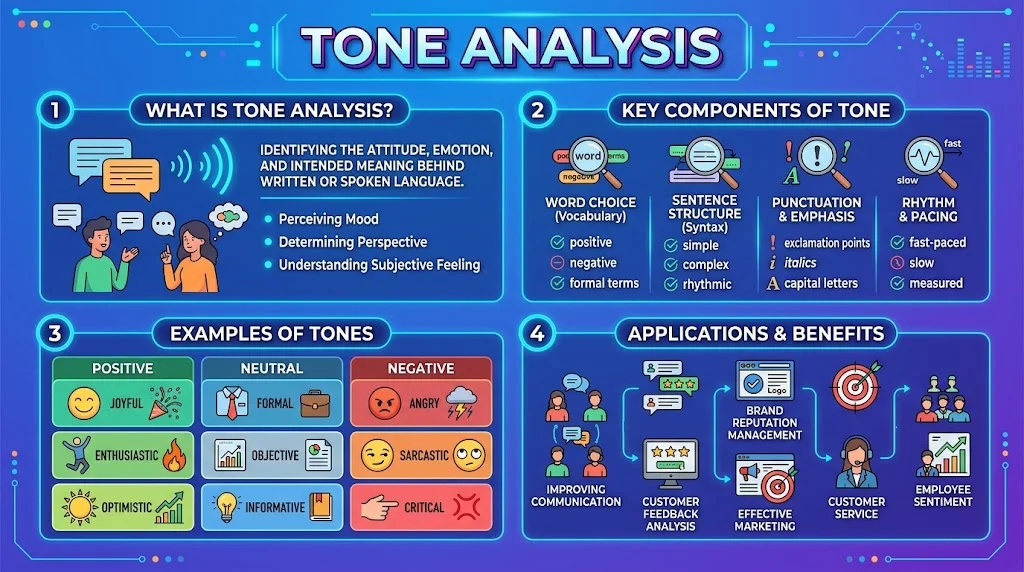
Tone Analysis
| Factor | Effect |
| Formality | Low to medium |
| Directness | High |
| Urgency | Medium to high |
| Friendliness | Depends on context |
| Workplace suitability | Limited in formal settings |
Pros and Cons of Using “Get Over Here”
Advantages
Clarity
The phrase immediately communicates what action is expected.
Efficiency
It is short and useful when quick communication is needed.
Accessibility
Even beginner English learners usually understand its meaning.
Strong attention signal
It quickly directs someone’s focus.
Potential Drawbacks
Oversimplification
The phrase does not explain why someone should come.
Tone mismatch
In professional situations, it may sound too forceful.
Repetition
Using it frequently can make communication feel commanding.
Real-Life Examples of “Get Over Here” by Context
Emails
“Get over here” is uncommon in professional emails because written communication lacks vocal tone.
A casual internal message might say:
“Get over here when you have a minute. I want to show you the new design.”
Meetings
A team member might say:
“Get over here for a second and look at this chart. I think we found the issue.”
Presentations
A presenter would usually avoid the phrase and say:
“Could you come closer so everyone can see this example?”
Conversations
A friend might say:
“Get over here! You won’t believe what just happened.”
Social Media
A playful post might say:
“Everyone get over here — the photos from the event are finally live!”
“Get Over Here” vs Similar Expressions (Key Differences)
| Phrase | Meaning Difference | Tone Difference | Best Use Scenario |
| Come here | A simple request to move closer | Neutral and common | Everyday conversations |
| Come over here | Similar meaning but slightly softer | Casual and friendly | Friends, family, informal workplaces |
| Come this way | Directs someone toward a location | Polite and professional | Customer service, workplaces |
| Join me here | Invites someone to participate | Collaborative and welcoming | Meetings and teamwork |
| Step over here | Requests a short movement | Neutral and practical | Workplace situations |
| Please come over | Requests movement politely | Respectful and softer | Professional communication |
Common Mistakes & Misuse of “Get Over Here”
Overuse
Using the phrase repeatedly can make someone feel ordered around instead of included.
Incorrect Context
Using it with customers, senior executives, or unfamiliar people may appear disrespectful.
Contradictory Usage
The phrase suggests movement, so using it when no physical movement is possible can sound confusing.
Example:
“Get over here” during a remote meeting may require additional explanation.
Cultural Misunderstandings
Different cultures have different expectations about direct communication. Some listeners may interpret direct commands more strongly than native speakers expect.
Psychological Reasons People Prefer “Get Over Here”
Cognitive Load Reduction
Short phrases require less mental processing. In fast situations, people naturally choose simple language.
Trust and Authority Signals
Direct phrases can signal confidence and urgency. However, excessive directness may reduce feelings of cooperation.
Attention Economy
Modern communication rewards quick, memorable expressions. Short phrases are common in chats, videos, gaming, and social platforms.
Modern Communication Habits
Digital conversations encourage shorter messages. Expressions like “get over here” fit naturally into quick exchanges.
US vs UK Usage of “Get Over Here”
In both American and British English, “get over here” is understood and commonly recognized. However, the emotional impression can vary.
US Usage
In American English, the phrase is often used casually among friends and family. It can sound energetic or expressive.
Example:
“Get over here and check this out!”
UK Usage
British speakers may also use it, but some contexts may favor softer alternatives such as:
- “Come over here”
- “Come here a minute”
- “Pop over here”
The difference is not meaning but social tone. British communication often places slightly more emphasis on softening direct requests in many situations.
“Get Over Here” in Digital & Modern Communication
Emails
Usually replaced with more polite alternatives because the tone is difficult to interpret.
Slack / WhatsApp
More acceptable among teammates and friends:
“Get over here 😂 I found the problem.”
Social Media
Often used for excitement and engagement:
“Get over here, you need to see this!”
AI-Generated Summaries
AI writing tools may avoid this phrase in professional summaries because it can appear too informal. More neutral wording such as “ask someone to join” or “request someone’s presence” is often preferred.
Linguistic & Communication Insight
Emotional Weight & Subtext
“Get over here” communicates more than physical movement. Native speakers often notice the emotional layer behind it. Depending on delivery, it can express excitement, urgency, frustration, affection, or authority.
A friendly voice:
“Get over here, I found something amazing!”
Creates excitement.
A sharp voice:
“Get over here.”
May feel like a command.
Direct vs Indirect Phrasing
Direct phrasing:
“Get over here.”
- Faster
- More urgent
- More commanding
Indirect phrasing:
“Could you come over here for a moment?”
- Softer
- More collaborative
- More respectful
Experienced communicators choose between direct and indirect language based on their goal.
Professional Communication Perspective
In workplaces, language influences how people perceive leadership and teamwork. A phrase that feels efficient to one person may feel aggressive to another.
Professionals often choose alternatives to:
- Reduce defensiveness
- Encourage cooperation
- Maintain respect
- Balance authority with approachability
Pragmatic Reasons for Alternatives
Alternative phrases allow speakers to control emotional impact. “Please come over here” keeps the request clear while adding politeness. “Join me here” creates a sense of collaboration instead of instruction.
Social Signaling
Word choice affects trust and relationships. People often judge communication style through small language choices. A thoughtful alternative can signal awareness, professionalism, and respect.
Tone & Context Guidance
Use “get over here” when:
- You know the person well
- The situation is informal
- Speed matters
Choose alternatives when:
- The audience is unfamiliar
- Professional impression matters
- The message is written rather than spoken
Please Come Over Here
Meaning
“Please come over here” is a polite alternative to “get over here” that asks someone to move toward the speaker’s location. It keeps the same basic meaning while adding a respectful and softer tone.
Why This Phrase Works
This phrase works because it combines clarity with politeness. The word “please” reduces the commanding feeling and makes the request more suitable for professional and unfamiliar situations.
Real-World Usage Insight
In workplaces, customer service environments, and formal conversations, people often choose this phrase because it communicates the desired action without sounding forceful.
Best Use
- Professional conversations
- Customer interactions
- Classroom settings
- Situations where respect and clarity are important
Avoid When
Avoid using it repeatedly in casual friendships where a more natural expression like “come here” may sound warmer.
Tone
Polite, respectful, neutral, professional.
US vs UK Usage
Used commonly in both American and British English. British speakers may use it frequently in formal situations because it sounds considerate, while Americans may use it when they want to soften a direct request.
Example (Meeting)
“Please come over here for a moment. I’d like to show you the updated figures before we share them with the team.”
Could You Come Over for a Moment?
Meaning
“Could you come over for a moment?” asks someone to move closer or join the speaker briefly. It focuses on a short interaction rather than simply giving a command.
Why This Phrase Works
The question format makes the request feel collaborative. It gives the listener a sense of choice and reduces pressure.
Real-World Usage Insight
This phrase is common among managers, coworkers, and professionals who want quick discussions without sounding demanding.
Best Use
- Office communication
- Team discussions
- Workplace chats
- One-on-one conversations
Avoid When
Avoid it when immediate action is required, such as in emergencies, where clearer instructions may be necessary.
Tone
Friendly, professional, considerate.
US vs UK Usage
Popular in both regions. UK speakers may perceive it as especially polite, while US speakers often use it naturally in workplaces.
Example (Email)
“Could you come over for a moment when you’re free? I’d appreciate your thoughts on the proposal.”
Could You Join Me Here?
Meaning
“Could you join me here?” invites someone to come closer and participate with the speaker. It emphasizes inclusion rather than simply movement.
Why This Phrase Works
It creates a cooperative feeling. Instead of directing someone, it suggests working together.
Real-World Usage Insight
Professionals often prefer this phrase during teamwork because it sounds more welcoming and collaborative.
Best Use
- Meetings
- Team projects
- Workshops
- Collaborative discussions
Avoid When
Avoid it when you only need someone to physically move without participating.
Tone
Supportive, professional, collaborative.
US vs UK Usage
Common in both varieties of English. It is especially popular in business environments where teamwork is emphasized.
Example (Meeting)
“Could you join me here for a minute? I want to review this section before we finalize the report.”
Please Come This Way
Meaning
“Please come this way” directs someone toward a specific location. It does not necessarily mean the speaker wants a conversation; it simply guides movement.
Why This Phrase Works
It sounds organized and professional. It is often used when someone is guiding another person.
Real-World Usage Insight
This phrase appears frequently in workplaces, hotels, events, and customer service situations.
Best Use
- Reception areas
- Business meetings
- Tours
- Customer service
Avoid When
Avoid it in relaxed conversations because it may sound overly formal.
Tone
Professional, polite, guiding.
US vs UK Usage
Widely used in both American and British English. It is particularly common in service-based communication.
Example (Customer Service)
“Please come this way. I’ll show you where you can complete the registration process.”
Would You Mind Coming Over Here?
Meaning
“Would you mind coming over here?” is a very polite request asking someone if they are willing to move closer.
Why This Phrase Works
The phrase reduces pressure by allowing the listener to agree. It is useful when maintaining a respectful relationship matters.
Real-World Usage Insight
People often use this when speaking to colleagues, clients, or someone they do not know well.
Best Use
- Formal conversations
- Polite requests
- Professional environments
Avoid When
Avoid using it during urgent situations because it may sound too hesitant.
Tone
Very polite, considerate, formal.
US vs UK Usage
Common in both regions. British speakers often use this structure because indirect requests are culturally common, while Americans use it when emphasizing courtesy.
Example (Work Message)
“Would you mind coming over here after lunch? I’d like to discuss the next steps.”
Could You Step Over Here Briefly?
Meaning
“Could you step over here briefly?” someone asks to move closer for a short interaction.
Why This Phrase Works
The word “briefly” communicates that the request will not take much time, making the listener more comfortable.
Real-World Usage Insight
This phrase is useful in busy workplaces where people want quick conversations without interrupting someone’s schedule.
Best Use
- Offices
- Professional discussions
- Quick explanations
Avoid When
Avoid it in casual conversations because it may sound more formal than necessary.
Tone
Professional, efficient, respectful.
US vs UK Usage
Used in both countries, especially in workplace settings. It may sound slightly more formal in everyday British conversations.
Example (Meeting)
“Could you step over here briefly? I want to clarify one point before we continue.”
Conclusion
“Get over here” is a simple but powerful English phrase that shows how meaning depends on more than just words. While the phrase clearly asks someone to move closer, its tone can change from friendly and exciting to demanding or impatient depending on the situation, relationship, and speaker’s voice. In casual conversations, it works naturally with friends, family, and familiar coworkers. However, in professional or formal communication, softer alternatives such as “Could you come over for a moment?” or “Could you join me here?” often create a more respectful impression.
Understanding alternatives to “get over here” helps English learners, professionals, and writers communicate with greater accuracy. The best choice depends on the level of urgency, the audience, and the emotional message you want to send. By selecting the right phrase, you can maintain clarity while improving politeness, professionalism, and connection in everyday communication.
FAQs
What does “get over here” mean?
“Get over here” means asking someone to move from their current location toward the speaker. It is commonly used when someone wants another person’s attention, help, or presence. The phrase is direct and can express urgency, excitement, friendliness, or authority depending on the speaker’s tone and the situation.
Is “get over here” rude?
“Get over here” is not always rude, but it can sound demanding in certain situations. Among friends or family, it may sound playful or enthusiastic. In professional settings or when speaking to unfamiliar people, it may be perceived as too direct. Adding polite wording can make the request softer and more appropriate.
Is “get over here” professional?
“Get over here” is generally considered casual rather than professional. It may work between close coworkers who have a relaxed relationship, but it is usually better to use alternatives like “Could you come over for a moment?” in formal workplace communication to maintain respect and professionalism.
What are polite alternatives to “get over here”?
Polite alternatives include “Please come over here,” “Could you come over for a moment?” “Could you join me here?” and “Would you mind coming over here?” These expressions keep the meaning clear while reducing the commanding tone, making them suitable for workplaces, customer interactions, and formal conversations.
What is the difference between “get over here” and “come here”?
The main difference is tone and intensity. “Come here” is a simpler and more neutral request, while “get over here” often sounds more urgent or emotionally stronger. Both phrases ask someone to move closer, but “get over here” can carry more emphasis depending on context and delivery.
Can “get over here” be used in an email?
“Get over here” is rarely recommended in professional emails because written messages do not show facial expressions or voice tone. A reader may interpret it as a command. Better options include “Could you come over when you have a moment?” or “Can we discuss this briefly?”
Why do people say “get over here” instead of other phrases?
People often use “get over here” because it is short, clear, and effective for quickly gaining someone’s attention. In casual communication, direct phrases reduce effort and help people respond quickly. The phrase is especially common when urgency, excitement, or familiarity is involved.
Is “get over here” more common in American or British English?
“Get over here” is understood in both American and British English. It is commonly used in both varieties, although some British speakers may prefer softer alternatives such as “come over here” or “come here a minute” in certain situations. The difference is mainly about social tone rather than meaning.
What is the best alternative to “get over here” at work?
The best workplace alternative depends on the situation. For most professional conversations, “Could you come over for a moment?” is a strong choice because it is clear, polite, and natural. For teamwork, “Could you join me here?” works well because it creates a more collaborative feeling.
Can “get over here” sound friendly?
Yes, “get over here” can sound friendly when used with the right tone and relationship. Friends may use it to show excitement, such as when sharing news or inviting someone to see something. The phrase becomes less friendly when spoken sharply or used with people who expect more formal communication.


