
Imagine you are leading a project meeting and want to tell your team that extra steps can be taken if a situation requires them. You might say, “We can adjust the plan if need be.” This small phrase communicates flexibility, readiness, and a willingness to respond when necessary.
“If need be” means “if it becomes necessary” or “if the situation requires it.” It is a useful expression in English because it allows speakers and writers to show preparedness without making something sound certain or urgent. Understanding its alternatives helps professionals, students, ESL learners, and writers choose language that matches their audience and purpose.
What Does “If Need Be” Mean?
“If need be” means “if necessary” or “if the circumstances require something to happen.” The phrase is used when someone is prepared to take an action, make a change, or provide help only when that action becomes needed. It commonly appears in professional communication, conversations, and written English.
The expression communicates conditional willingness. Instead of saying something will definitely happen, it suggests that an option is available when circumstances demand it.
Examples:
- “I can stay late if need be.”
- “We will revise the strategy if need be.”
- “The team can add more resources if need be.”
Origin & History of “If Need Be”
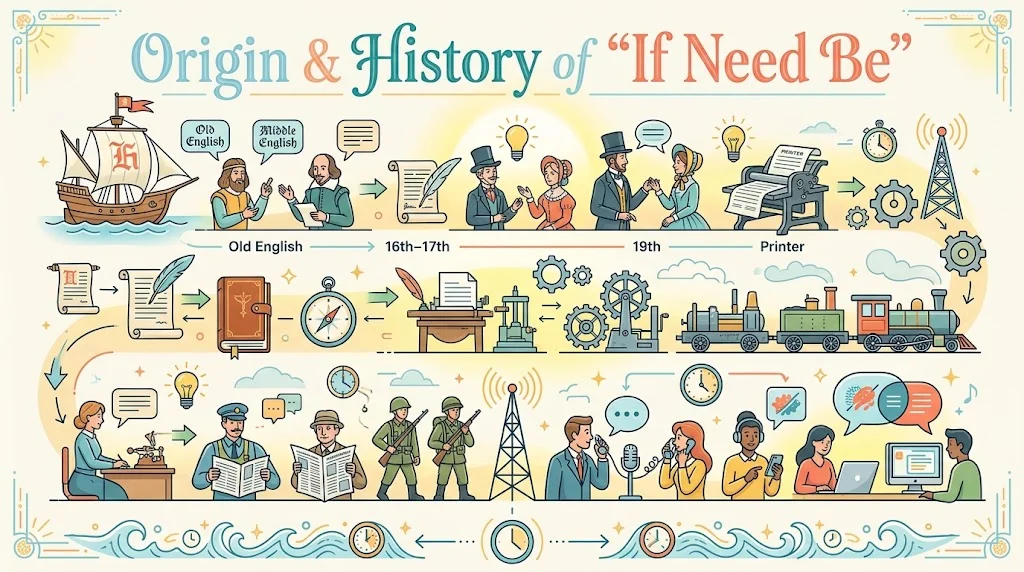
The phrase “if need be” comes from older forms of English where “need” functioned as a noun meaning necessity or requirement, and “be” meant “exist” or “occur.” The structure originally meant “if there is a need.”
The expression became common in English writing and speech because it offered a simple way to express readiness without creating pressure. Over time, it moved from more traditional writing into everyday professional communication.
Today, “if need be” is still understood across English-speaking regions, although many modern speakers prefer simpler alternatives such as “if necessary” or “if required.”
Synonyms & Alternatives by Tone
Professional & Neutral Alternatives
- If necessary
- If required
- If needed
- If circumstances require
- Should the need arise
- As necessary
- When appropriate
Polite & Supportive Alternatives
- If you need anything else
- If there is anything needed
- If I can help further
- If additional support is required
- Whenever necessary
Encouraging & Reassuring Alternatives
- I’m happy to help if needed
- I’m available if required
- We can adjust if necessary
- We can make changes as needed
- Support is available whenever needed
Casual, Playful & Idiomatic Alternatives
- If it comes to that
- If it turns out we need to
- If we have to
- When the time comes
- If push comes to shove
When Should You Use “If Need Be”?
Professional settings
“If need be” works well in workplaces when showing flexibility:
- “I can join the second meeting if need be.”
- “We can expand the budget if need be.”
It sounds cooperative because it presents an option rather than forcing a decision.
Casual conversations
In everyday speech, it can sound slightly formal but remains natural:
- “I’ll pick you up if need be.”
Writing, presentations, and digital communication
The phrase is effective in:
- Business emails
- Project updates
- Reports
- Presentations
It is especially useful when you want to show preparedness without overcommitting.
When Should You Avoid “If Need Be”?
Avoid using “if need be” when:
- A simpler phrase would be clearer.
- The audience prefers plain language.
- The situation requires exact instructions.
- The wording may sound old-fashioned.
In legal, academic, or highly technical writing, “if necessary” or “if required” is often clearer and more precise.
Is “If Need Be” Professional, Polite, or Casual?
“If need be” is generally professional and neutral, but it carries a slightly traditional tone.
Tone analysis:
- Formality level: Medium
- Workplace suitability: High
- Emotional feeling: Flexible, cooperative, prepared
Native speakers often perceive it as calm and reasonable. However, younger audiences may find simpler wording more natural.
Pros and Cons of Using “If Need Be”
Advantages
- Clarity: Shows that action depends on necessity.
- Efficiency: Communicates a complete idea in three words.
- Accessibility: Most English speakers understand it easily.
Potential Drawbacks
- Tone mismatch: It may sound slightly formal in casual chats.
- Oversimplification: It does not explain what conditions create the need.
- Repetition: Frequent use can make writing feel predictable.
Real-Life Examples of “If Need Be” by Context
Emails
“I have attached the updated report. I can provide additional details if need be.”
Meetings
“We can schedule another review session if need be after receiving feedback.”
Presentations
“The timeline can be adjusted if need be, depending on client approval.”
Conversations
“I’ll come with you if need be.”
Social media
“Starting small is fine. You can always change your approach if need be.”
“If Need Be” vs Similar Expressions

| Phrase | Meaning Difference | Tone Difference | Best Use Scenario |
| If necessary | Directly means something is required | Professional and clear | Reports, emails, instructions |
| If needed | Focuses on availability or support | Friendly and neutral | Workplace communication |
| Should the need arise | Suggests a possible future situation | More formal | Business writing |
| If required | Suggests a requirement or condition | Formal and precise | Policies and procedures |
| As needed | Means according to demand | Practical and concise | Projects and operations |
Common Mistakes & Misuse of “If Need Be”
Overuse
Repeating the phrase too often can make writing sound less natural.
Incorrect context
Using it when something is already required creates confusion.
Incorrect:
“Please submit the form if need be.”
(The submission is already necessary.)
Cultural misunderstandings
Some ESL learners may interpret it as uncertainty. Native speakers usually understand it as flexibility.
Psychological Reason People Prefer “If Need Be”
People often use “if need be” because it reduces pressure. It communicates readiness while leaving room for changing circumstances.
The phrase also works well in modern communication because people often prefer language that feels adaptable rather than absolute.
In professional environments, conditional wording can signal:
- Cooperation
- Emotional intelligence
- Strategic thinking
US vs UK Usage of “If Need Be”
In both American and British English, “if need be” is understood.
US usage:
Often replaced by “if necessary” or “if needed” in everyday workplace communication.
UK usage:
The phrase appears slightly more often in formal speech and writing.
Overall, it is correct in both varieties, but modern communication trends favor simpler alternatives.
“If Need Be” in Digital & Modern Communication
Emails
Useful when offering flexibility:
“I can update the document if need be.”
Slack / WhatsApp
Often shortened:
“Let me know if needed.”
Social media
Less common because online communication usually favors shorter phrases.
AI-generated summaries
AI tools often replace “if need be” with “if necessary” because it is clearer for broad audiences.
Linguistic & Communication Insight
Emotional weight & subtext
Beyond its literal meaning, “if need be” suggests preparedness without urgency. It tells the listener: “This option exists, but we will only use it when required.”
Direct vs indirect phrasing
Compare:
- “I will change the plan.”
- “I will change the plan if need be.”
The second version sounds more careful because it avoids unnecessary action.
Professional communication perspective
In workplaces, the phrase can demonstrate flexibility. However, leaders often choose clearer wording when giving instructions because ambiguity can slow decisions.
Pragmatic reasons for alternatives
Experienced communicators choose alternatives based on goals:
- “If necessary” sounds decisive.
- “If needed” sounds supportive.
- “Should the need arise” sounds formal.
- “As needed” sounds operational.
Social signaling
Word choice influences how people perceive confidence, cooperation, and authority. Flexible language can build trust when used correctly.
Meaning, Usage & Examples for Each Alternative
If Necessary
Meaning: A direct replacement meaning “when something becomes required.”
Why This Phrase Works: It is clear, professional, and widely understood.
Real-World Usage Insight: Many companies prefer this phrase because it avoids ambiguity.
Best Use: Reports, emails, instructions.
Avoid When: A warmer, more personal tone is needed.
Tone: Professional and direct.
US vs UK Usage: Common in both regions.
Example (Email / Message / Meeting): “We can revise the timeline if necessary after the client review.”
If Needed
Meaning: Indicates availability when support or action becomes necessary.
Why This Phrase Works: It sounds approachable and cooperative.
Real-World Usage Insight: Common in workplace messages and conversations.
Best Use: Team communication.
Avoid when writing strict policies.
Tone: Friendly and neutral.
US vs UK Usage: Very common in both.
Example (Email / Message / Meeting): “I can help with the presentation edits if needed.”
Should the Need Arise
Meaning: “If a situation requiring action happens.”
Why This Phrase Works: It sounds polished and formal.
Real-World Usage Insight: Often appears in professional letters.
Best Use: Formal communication.
Avoid when: Casual chats.
Tone: Formal.
US vs UK Usage: Slightly more common in UK-style formal writing.
Example (Email / Message / Meeting): “Please contact me should the need arise.”
If Required
Meaning: Means only when something is demanded or necessary.
Why This Phrase Works: It creates precision.
Real-World Usage Insight: Frequently used in procedures and agreements.
Best Use: Technical or official writing.
Avoid When: You want a warm tone.
Tone: Formal.
US vs UK Usage: Common in both.
Example (Email / Message / Meeting): “Additional documents can be provided if required.”
As Needed
Meaning: Means according to the situation or demand.
Why This Phrase Works: It is short and practical.
Real-World Usage Insight: Popular in business operations.
Best Use: Plans, schedules, workflows.
Avoid When: Explaining emotional support.
Tone: Efficient.
US vs UK Usage: Common internationally.
Example (Email / Message / Meeting): “The team will review progress and adjust tasks as needed.”
When Appropriate
Meaning: A phrase used to indicate that something should happen only at a suitable time or under suitable conditions.
Why This Phrase Works: It provides flexibility while avoiding unnecessary action.
Real-World Usage Insight: Professionals often use it when they want to show awareness of timing and judgment rather than urgency.
Best Use: Workplace discussions, planning, presentations, and recommendations.
Avoid When: Exact deadlines or mandatory actions need to be communicated.
Tone: Professional, balanced, and considerate.
US vs UK Usage: Used in both regions, though “when appropriate” is more common in formal American workplace writing.
Example (Email / Message / Meeting): “We can involve the legal team when appropriate during the next phase of the project.”
If Circumstances Require
Meaning: Means that an action will happen only if specific conditions make it necessary.
Why This Phrase Works: It highlights awareness of changing situations.
Real-World Usage Insight: It is useful when discussing plans that may need adjustment based on future developments.
Best Use: Business strategy, project planning, formal discussions.
Avoid When: Communicating simple everyday needs.
Tone: Professional and analytical.
US vs UK Usage: Understood in both varieties of English but sounds more formal than everyday alternatives.
Example (Email / Message / Meeting): “We will update the delivery schedule if circumstances require additional time.”
Whenever Necessary
Meaning: Means that at any time something becomes needed or required.
Why This Phrase Works: It shows ongoing readiness and availability.
Real-World Usage Insight: Common when offering continued support or flexibility over a period of time.
Best Use: Customer service, teamwork, professional support messages.
Avoid When: You need to describe a specific condition.
Tone: Supportive and professional.
US vs UK Usage: Common in both US and UK English.
Example (Email / Message / Meeting): “Please contact me whenever necessary if you need clarification.”
If I Can Help Further
Meaning: A polite expression offering additional assistance.
Why This Phrase Works: It creates a helpful and cooperative impression.
Real-World Usage Insight: Frequently used in professional emails because it closes communication positively.
Best Use: Customer communication, workplace emails, support messages.
Avoid When: You are not actually available to provide more help.
Tone: Polite and supportive.
US vs UK Usage: Common in both regions, especially in professional correspondence.
Example (Email / Message / Meeting): “Please let me know if I can help further with the final review.”
If There Is Anything Needed
Meaning: If any additional requirement appears, assistance can be provided.
Why This Phrase Works: It communicates willingness to support others.
Real-World Usage Insight: Often used when someone wants to keep communication open.
Best Use: Team messages, service communication, personal support.
Avoid When: A shorter phrase would sound more natural.
Tone: Friendly and considerate.
US vs UK Usage: Understood in both, though native speakers often prefer “if you need anything else.”
Example (Email / Message / Meeting): “The files are attached. Please reach out if there is anything needed.”
I’m Happy to Help If Needed
Meaning: Shows willingness to assist when required.
Why This Phrase Works: It combines availability with a positive emotional tone.
Real-World Usage Insight: It builds goodwill because it sounds personal rather than purely practical.
Best Use: Teamwork, mentoring, customer communication.
Avoid When: A formal instruction or policy statement is required.
Tone: Warm and encouraging.
US vs UK Usage: Popular in both countries, especially in workplace messages.
Example (Email / Message / Meeting): “I’ve shared the draft with the team, and I’m happy to help if needed.”
I’m Available If Required
Meaning: Indicates that someone can provide support when a situation demands it.
Why This Phrase Works: It communicates reliability and professionalism.
Real-World Usage Insight: Often used by professionals who want to offer support without interrupting others.
Best Use: Business communication, consulting, project work.
Avoid when: Speaking with close friends or in casual situations.
Tone: Professional and reserved.
US vs UK Usage: Used in both, with a slightly formal feel.
Example (Email / Message / Meeting): “I’m available if required during the implementation stage.”
We Can Adjust If Necessary
Meaning: Shows that changes can be made when circumstances demand them.
Why This Phrase Works: It communicates flexibility while keeping the original plan intact.
Real-World Usage Insight: Common among managers and project teams handling uncertainty.
Best Use: Planning, deadlines, business decisions.
Avoid When: A final decision has already been made.
Tone: Practical and collaborative.
US vs UK Usage: Common in both regions.
Example (Email / Message / Meeting): “The launch date is confirmed, but we can adjust if necessary.”
We Can Make Changes As Needed
Meaning: Modifications can happen according to future requirements.
Why This Phrase Works: It emphasizes adaptability and continuous improvement.
Real-World Usage Insight: Frequently used in project management and team environments.
Best Use: Workflows, strategies, ongoing projects.
Avoid When: You need strict rules or fixed procedures.
Tone: Flexible and practical.
US vs UK Usage: Widely used in American and British business communication.
Example (Email / Message / Meeting): “We will review customer feedback and make changes as needed.”
Support Is Available Whenever Needed
Meaning: Communicates that help remains accessible whenever a person requires it.
Why This Phrase Works: It reassures people that assistance is available without pressure.
Real-World Usage Insight: Common in customer service, education, and leadership communication.
Best Use: Support announcements, team communication, guidance messages.
Avoid When: A short, direct response is better.
Tone: Reassuring and professional.
US vs UK Usage: Common in both English varieties.
Example (Email / Message / Meeting): “The training materials are available, and support is available whenever needed.”
If It Comes To That
Meaning: Means if a particular situation eventually becomes necessary or unavoidable.
Why This Phrase Works: It communicates a backup plan without focusing on it immediately.
Real-World Usage Insight: More common in conversations than formal writing.
Best Use: Everyday discussions and informal planning.
Avoid when writing professional reports or official messages.
Tone: Casual and conversational.
US vs UK Usage: Common in both, especially spoken English.
Example (Email / Message / Meeting): “We can ask another team for help if it comes to that.”
If It Turns Out We Need To
Meaning: Means an action will happen only if future circumstances show it is necessary.
Why This Phrase Works: It sounds natural and reflects everyday decision-making.
Real-World Usage Insight: Native speakers often use this structure in casual conversations.
Best Use: Informal discussions, team chats, planning conversations.
Avoid When: A formal business document is required.
Tone: Casual and flexible.
US vs UK Usage: Common in both regions.
Example (Email / Message / Meeting): “We can schedule another call if it turns out we need to.”
If We Have To
Meaning: Means something will happen only when there is no better option.
Why This Phrase Works: It is simple and immediately understood.
Real-World Usage Insight: Popular in spoken English because it feels natural and direct.
Best Use: Conversations, quick decisions, informal communication.
Avoid When: You want to sound highly professional.
Tone: Casual and straightforward.
US vs UK Usage: Common in both American and British English.
Example (Email / Message / Meeting): “We can extend the deadline if we have to.”
When The Time Comes
Meaning: Refers to taking action at the appropriate future moment.
Why This Phrase Works: It focuses on timing rather than necessity.
Real-World Usage Insight: Often used when someone wants to avoid discussing unnecessary details too early.
Best Use: Future planning, conversations, personal decisions.
Avoid When: Immediate action is required.
Tone: Calm and conversational.
US vs UK Usage: Common in both regions.
Example (Email / Message / Meeting): “We’ll decide on the next steps when the time comes.”
If Push Comes To Shove
Meaning: Means when a difficult situation reaches a point where action becomes unavoidable.
Why This Phrase Works: It expresses determination during challenging circumstances.
Real-World Usage Insight: It is an idiom and should be used carefully because it has stronger emotional weight.
Best Use: Casual conversations and discussions about difficult choices.
Avoid when communicating with clients or in formal documents.
Tone: Strong, informal, and expressive.
US vs UK Usage: Used in both countries but more common in casual speech.
Example (Email / Message / Meeting): “If push comes to shove, we can postpone the event until next month.”
Comparison Table of 10 Best Alternatives
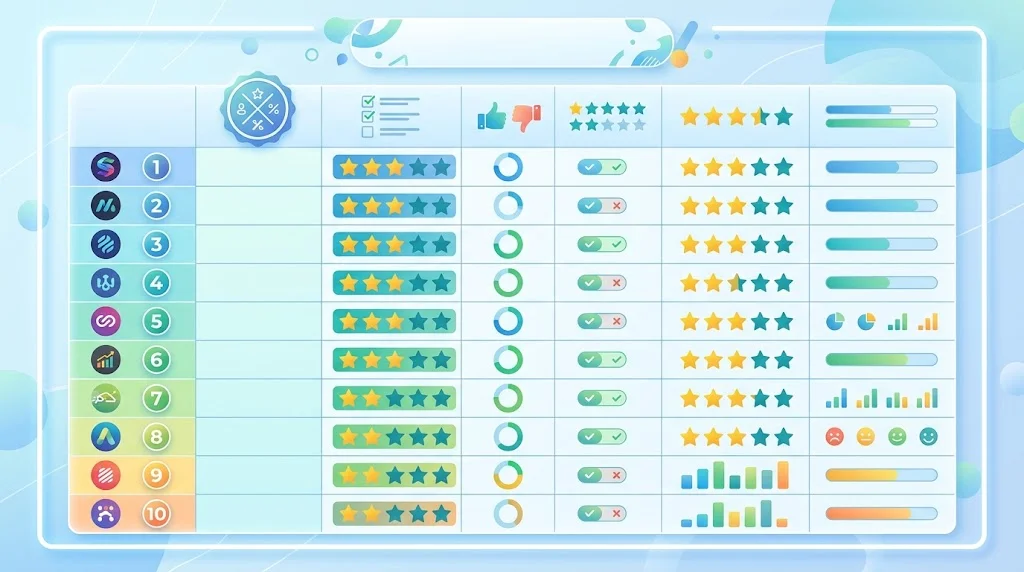
The following alternatives represent the most useful replacements for “if need be” across professional, casual, and supportive communication. The best choice depends on your audience, purpose, and desired tone.
| Phrase | Meaning | Best Use | Worst Use | Tone | US vs UK Usage |
| If Necessary | Something should happen when required | Professional writing and instructions | Friendly conversations | Clear and formal | Common in both |
| If Needed | Help or action is available when required | Workplace communication | Legal documents | Friendly and neutral | Common in both |
| Should the Need Arise | If a future situation requires action | Formal emails and letters | Casual chats | Polished and formal | Slightly more common in UK formal writing |
| If Required | Something happens when a condition demands it | Policies and procedures | Personal messages | Formal and precise | Common in both |
| As Needed | According to demand or circumstances | Operations and planning | Emotional conversations | Practical | Common internationally |
| When Appropriate | At a suitable time or situation | Professional recommendations | Urgent instructions | Considerate | Common in both |
| Whenever Necessary | Any time help becomes needed | Support communication | Strict instructions | Helpful | Common in both |
| If We Have To | Only when unavoidable | Informal conversations | Business reports | Casual | Common in both |
| When The Time Comes | At the right future moment | Planning discussions | Immediate requests | Calm | Common in both |
| If Push Comes To Shove | When a difficult choice becomes necessary | Informal problem-solving | Professional writing | Strong and expressive | Common in both |
Conclusion
“If need be” is a useful English expression that communicates flexibility, readiness, and conditional action. It allows speakers and writers to show that they are prepared to respond when a situation requires it without making unnecessary commitments. While the phrase remains grammatically correct and widely understood, choosing the right alternative can make communication clearer and better suited to the audience.
For professional settings, phrases like “if necessary,” “if required,” and “as needed” often sound more direct and modern. For supportive conversations, “if needed” or “I’m happy to help if needed” creates a warmer impression. More formal options, such as “should the need arise,” work well in official communication.
Understanding the meaning, tone, and context behind “if need be” helps professionals, students, ESL learners, and writers make stronger language choices. The best expression is not always the most formal one; it is the one that communicates the intended message clearly, naturally, and appropriately.
FAQs About “If Need Be”
What does “if need be” mean?
“If need be” means “if necessary” or “if something becomes required.” It describes a situation where someone is prepared to take action only when circumstances make that action needed. The phrase is commonly used in professional communication, conversations, and writing to express flexibility without creating a definite plan.
Is “if need be” the same as “if necessary”?
Yes, “if need be” and “if necessary” have almost the same meaning. Both indicate that something will happen only when required. However, “if necessary” sounds more modern and direct, while “if need be” has a slightly traditional or formal feel. The best choice depends on the audience and communication style.
Is “if need be” professional to use?
Yes, “if need be” is considered professional and acceptable in workplace communication. It can show flexibility and willingness to adapt. However, some business audiences may prefer simpler wording like “if needed” or “if necessary” because these alternatives are more common in modern professional writing.
Can I use “if need be” in an email?
Yes, you can use “if need be” in emails, especially when offering flexibility or additional support. For example, “I can provide further details if need be” is polite and professional. In many workplace emails, “if needed” may sound slightly more natural and conversational.
What are the best alternatives to “if need be”?
The best alternatives depend on tone and context. Common replacements include “if necessary,” “if needed,” “if required,” “as needed,” and “should the need arise.” “If necessary” works well for professional writing, while “if needed” is better for friendly communication. Each alternative carries a slightly different level of formality.
Is “if need be” old-fashioned?
“If need be” can sound slightly old-fashioned compared with newer alternatives, but it is not outdated or incorrect. Many native speakers still use it, particularly in formal discussions, literature, and professional settings. In casual modern conversations, people often choose shorter phrases like “if needed” instead.
What is the difference between “if need be” and “as needed”?
“If need be” focuses on a specific situation where action may become necessary. “As needed” suggests an ongoing process where something can happen whenever required. For example, “We will adjust the plan if need be” refers to a possible change, while “We will provide updates as needed” suggests repeated action over time.
Can ESL learners use “if need be” naturally?
Yes, ESL learners can use “if need be” correctly, but they should understand its tone. It is slightly more formal than everyday phrases like “if needed.” Learning alternatives helps non-native speakers choose expressions that sound natural in emails, conversations, and professional situations.
Is “if need be” common in American and British English?
Yes, both American and British English speakers understand and use “if need be.” The phrase may appear somewhat more often in British formal writing, while American speakers frequently replace it with “if necessary” or “if needed.” It remains acceptable in both varieties of English.
When should I avoid using “if need be”?
Avoid using “if need be” when the message requires maximum clarity, simplicity, or a specific instruction. In technical documents, legal writing, or communication with a broad audience, alternatives like “if required” or “if necessary” may be easier to understand and less likely to create confusion.


