
Imagine a manager thanking a team member for staying late every week and saying, “I don’t want you to feel like your extra effort is being taken for granted.” Or a friend realizing they rarely appreciate the people who support them because their help has become part of everyday life. These situations show why the phrase “take for granted” remains important in modern communication.
The phrase describes a situation where someone fails to recognize the value, importance, or effort behind something because it feels normal, expected, or always available. While it is common in everyday English, the phrase can carry different emotional meanings depending on the context. In professional writing, workplace conversations, and personal communication, choosing the right alternative can make your message sound more respectful, precise, and constructive.
Understanding synonyms for “take for granted” helps professionals, students, ESL learners, and content writers communicate appreciation, concern, or criticism with better clarity and emotional awareness.
What Does “Take For Granted” Mean?
“Take for granted” means to accept someone or something as normal, certain, or always available without properly recognizing its value, importance, effort, or contribution. The phrase is commonly used when people fail to appreciate support, opportunities, relationships, services, or resources because they assume they will continue without change.
In simple terms, when you take something for granted, you treat it as guaranteed instead of noticing its significance.
The phrase can apply to many situations:
- A company taking employees’ dedication for granted
- A person taking a friend’s kindness for granted
- Society is taking technology and public services for granted
- Someone taking personal opportunities for granted
The intention behind the phrase is usually to highlight a lack of appreciation, awareness, or recognition.
Origin & History of “Take For Granted”
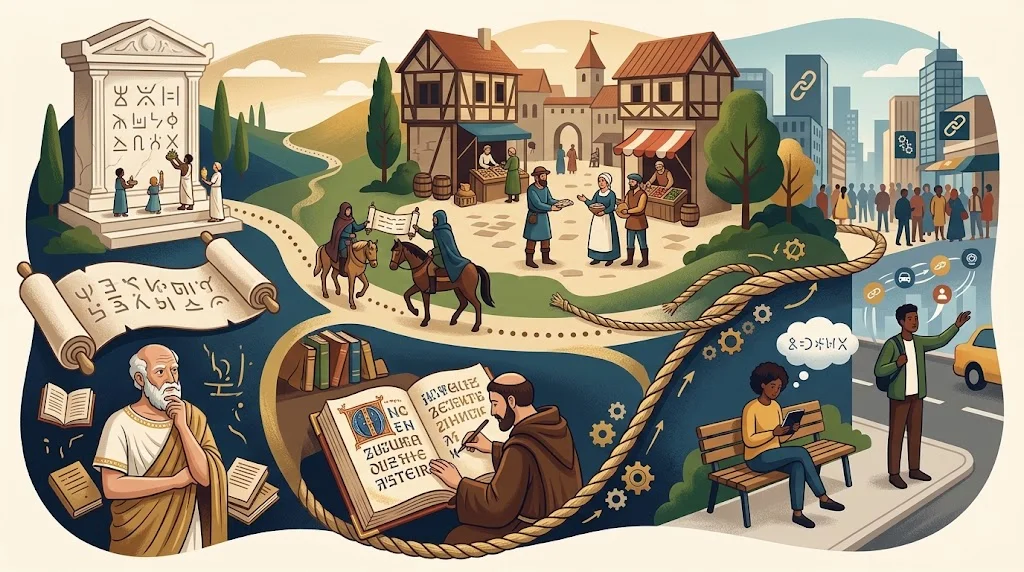
The expression “take for granted” has its roots in Middle English and early modern English usage. The word “grant” historically meant something officially given, accepted, or allowed. To “take something for granted” originally carried the idea of accepting something as already given or established.
By the 1600s and 1700s, the phrase developed into its modern meaning: accepting something without questioning it or without showing enough appreciation.
The expression became increasingly common as English speakers used it to describe assumptions about facts, beliefs, privileges, and relationships. Over time, it moved from a neutral meaning (“accept as true”) toward a more emotional meaning (“fail to appreciate”).
Today, “take for granted” is widely used in personal relationships, workplace discussions, leadership conversations, and social commentary because it captures a common human behavior: people often notice value most clearly when something changes or disappears.
Synonyms & Alternatives by Tone
Choosing the right alternative depends on what you want to communicate. Some phrases sound professional and objective, while others feel warmer, softer, or more emotional.
Professional & Neutral Alternatives
- Underappreciate
- Fail to recognize
- Overlook
- Underestimate
- Assume availability
- Neglect to acknowledge
- Not fully valued
- Fail to appreciate
- Disregard the importance of
Polite & Supportive Alternatives
- Not fully recognize the effort behind
- May not realize the value of
- Could appreciate more
- Might overlook the contribution of
- Need to acknowledge more
- Should give more credit to
Encouraging & Reassuring Alternatives
- Recognize the value of
- Appreciate the effort behind
- Give proper credit to
- Show more appreciation for
- Acknowledge the importance of
- Celebrate the contribution of
Casual, Playful & Idiomatic Alternatives
- Forget how lucky we are
- Get used to having something
- Forget to notice
- Become too comfortable with
- Stop seeing the value in
- Assume it will always be there
When Should You Use “Take For Granted”?
The phrase works well when you want to discuss appreciation, awareness, responsibility, or unnoticed value.
Professional Settings
In workplaces, “take for granted” is useful when discussing employee recognition, leadership, teamwork, or customer relationships.
Examples:
- “We should make sure our employees never feel taken for granted.”
- “Long-term customers should not be taken for granted.”
It communicates an important leadership message: valuable contributions need recognition.
However, in professional environments, the phrase should be used carefully because it may sound like criticism.
A manager saying:
“You are taking your team for granted.”
Can feel accusatory.
A softer version:
“We should make sure the team’s efforts are fully recognized.”
Creates a more collaborative tone.
Casual Conversations
The phrase is very common in personal communication.
Examples:
- “I realized I was taking my family for granted.”
- “Don’t take good friendships for granted.”
In personal situations, it often expresses reflection or emotional awareness.
Writing, Presentations, and Digital Communication
The phrase works well in:
- Blog articles
- Opinion pieces
- Speeches
- Social media posts
- Workplace messages
It is especially effective when discussing:
- Gratitude
- Leadership
- Personal growth
- Social issues
- Customer experience
When It Is Especially Effective
“Take for granted” is powerful when the goal is to encourage people to:
- Notice hidden effort
- Appreciate support
- Avoid assumptions
- Recognize valuable resources
- Build stronger relationships
When Should You Avoid “Take For Granted”?
Although the phrase is common, there are situations where another expression may communicate your meaning better.
Overly Formal Situations
In legal documents, academic research, or highly formal reports, “take for granted” may sound too conversational.
Instead of:
“The organization cannot take employee loyalty for granted.”
A formal alternative:
“The organization should not assume continued employee loyalty.”
Maybe more precise.
Legal, Academic, or Sensitive Contexts
The phrase can create ambiguity because it often includes emotional judgment.
For example:
“The company took customers for granted.”
This could mean:
- Poor customer service
- Lack of innovation
- Failure to recognize customer needs
A professional document may require a more specific explanation.
Situations Where Nuance May Be Lost
The phrase can sometimes sound like blame.
Compare:
“You take my help for granted.”
with:
“I feel my effort is not being fully recognized.”
The second version focuses more on communication and less on accusation.
Is “Take For Granted” Professional, Polite, or Casual?
“Take for granted” is a flexible phrase that can be professional, polite, or casual depending on tone and context. It is widely understood but can carry a negative emotional suggestion because it often implies someone has failed to appreciate value.
Tone Analysis
Professional Level:
Moderately professional.
It appears often in workplace discussions, leadership writing, and business communication.
Formality Level:
Neutral.
It is neither slang nor highly formal.
Emotional Subtext:
The phrase usually suggests:
- Lack of appreciation
- Missed recognition
- Unnoticed effort
- Assumption of permanence
Audience Perception:
Different audiences may interpret it differently:
Employees may hear:
“You need to recognize our effort.”
Managers may hear:
“We need better appreciation practices.”
Friends may hear:
“I value this relationship and want to protect it.”
For workplace communication, alternatives like “fail to recognize” or “underappreciate” can sometimes reduce defensiveness.
Pros and Cons of Using “Take For Granted”
Advantages
Clarity
The phrase immediately communicates the idea of insufficient appreciation.
Efficiency
It expresses a complex idea in three simple words.
Accessibility
Because it is common English, most native speakers and many ESL learners understand it easily.
Potential Drawbacks
Oversimplification
The phrase may hide the actual reason behind the problem.
Someone may not appreciate something because of:
- Lack of awareness
- Lack of communication
- Different priorities
- Limited information
Tone Mismatch
In sensitive situations, it may sound like criticism.
Repetition
Because it is commonly used, writers may need alternatives to create variety.
Real-Life Examples of “Take For Granted” by Context
Hi Sarah,
I wanted to thank you for handling the client updates during the busy period. Your reliability makes a huge difference, and we never want your extra effort to feel taken for granted.
Thanks again for everything you do.
Meeting
“We should remember that our customer loyalty cannot be taken for granted. We need to keep improving the experience.”
Presentation
“Many people take reliable internet access for granted, but it depends on complex systems working together.”
Conversation
“I used to take my free time for granted. Now I try to appreciate those quiet moments more.”
Social Media
“It’s easy to take small everyday moments for granted. Sometimes we need to slow down and appreciate what is already around us.”
“Take For Granted” vs Similar Expressions (Key Differences)
Understanding similar phrases helps you choose the expression that matches your exact meaning.
| Phrase | Meaning Difference | Tone Difference | Best Use Scenario |
| Take for granted | Accept something without appreciating its value | Neutral with emotional weight | Relationships, work, everyday communication |
| Overlook | Fail to notice something important | More objective and less emotional | Errors, details, responsibilities |
| Underappreciate | Do not value something enough | More direct and evaluative | Employee recognition, achievements |
| Assume | Believe something will happen without checking | Neutral, sometimes negative | Expectations, planning, decisions |
| Neglect | Fail to give proper attention or care | Stronger and more critical | Responsibilities, duties, relationships |
| Fail to recognize | Do not acknowledge importance or effort | Professional and diplomatic | Workplace feedback, reports |
Linguistic & Communication Insight
The phrase “take for granted” is interesting because its meaning goes beyond the dictionary definition. Native speakers often understand an emotional message behind the words: something valuable exists, but someone has stopped noticing its importance.
Emotional Weight & Subtext
When someone says:
“You’re taking me for granted.”
They are rarely only talking about attention or behavior. The deeper message is often:
- “I want my effort to be recognized.”
- “I feel overlooked.”
- “I want appreciation, not just expectation.”
In professional settings, the phrase can communicate concerns about recognition and motivation.
For example:
“Employees should not feel taken for granted.”
This suggests that organizations need to acknowledge contributions, not simply depend on people’s continued effort.
The emotional impact depends heavily on the relationship between speakers. Between close friends, it may express vulnerability. Between coworkers, it may sound like feedback or criticism.
Direct vs Indirect Phrasing
Communication choices influence how people respond.
Direct phrasing:
“You take your employees for granted.”
This is clear but may create defensiveness because it assigns responsibility directly.
Indirect or collaborative phrasing:
“We should make sure employees feel valued and recognized.”
This communicates the same concern while encouraging cooperation.
Experienced communicators often adjust their wording based on their goal.
If the purpose is accountability, direct language may be useful.
If the purpose is relationship-building, softer alternatives may work better.
Professional Communication Perspective
In workplace communication, “take for granted” can be effective when discussing:
- Employee engagement
- Customer relationships
- Leadership responsibility
- Team appreciation
However, professionals often choose alternatives when they want to avoid sounding judgmental.
Compare:
More confrontational:
“The company is taking its employees for granted.”
More constructive:
“The company may need to do more to recognize employee contributions.”
Both communicate concern, but the second version creates more room for discussion.
Pragmatic Reasons for Choosing Alternatives
Experienced writers and speakers often replace “take for granted” because alternatives can:
- Reduce defensiveness
- Create a more supportive tone
- Show professionalism
- Increase clarity
- Focus on solutions instead of blame
For example:
Instead of:
“You take customer loyalty for granted.”
A business presentation might say:
“Customer loyalty requires continued attention and investment.”
The second statement feels strategic rather than critical.
Social Signaling
Word choice affects how people perceive your communication.
Using “take for granted” can signal:
- Awareness
- Emotional intelligence
- Concern about appreciation
However, repeated use may signal frustration or criticism.
Choosing alternatives such as:
- “Recognize the value of”
- “Appreciate the contribution of”
- “Acknowledge the effort behind”
Can create a more positive social signal.
Tone & Context Guidance
Use “take for granted” when:
- The audience understands the emotional context
- You want to highlight appreciation
- The relationship allows honest feedback
Consider alternatives when:
- The situation is sensitive
- You are giving workplace feedback
- You need a neutral business tone
The best communicators do not simply choose the most accurate phrase. They choose the phrase that creates the intended response.
Psychological Reasons People Prefer “Take For Granted”

The popularity of “take for granted” comes from how naturally it explains human behavior.
Cognitive Load Reduction
The phrase quickly communicates a complicated idea:
Someone has access to something valuable but no longer notices its importance.
Instead of explaining:
“People often stop consciously recognizing things that remain consistently available.”
English speakers can simply say:
“People take things for granted.”
This makes communication faster and easier.
Trust and Authority Signals
In leadership and professional writing, the phrase often appears when discussing responsibility.
Examples:
- “A company cannot take customer trust for granted.”
- “Leaders should not take employee commitment for granted.”
These statements signal awareness that relationships require ongoing effort.
Attention Economy
Modern communication is filled with constant information and distractions. Because of this, people often overlook things that are stable and familiar.
The phrase remains popular because it describes a common modern experience:
- Ignoring everyday support
- Forgetting hidden effort
- Assuming convenience will continue
Modern Communication Habits
Social media, workplace messaging, and digital communication favor short expressions with strong emotional meaning.
“Take for granted” works well because it is:
- Short
- Familiar
- Emotionally recognizable
- Easy to apply
US vs UK Usage of “Take For Granted”
The phrase is common in both American and British English.
Popularity
“Take for granted” is widely used in:
- Conversations
- Journalism
- Workplace communication
- Educational writing
There is no major difference in meaning between US and UK usage.
Tone Perception
US English
American speakers often use it in motivational and workplace contexts.
Examples:
- “Don’t take success for granted.”
- “Never take your customers for granted.”
The phrase often carries a self-improvement or leadership tone.
UK English
British speakers use the phrase similarly but may sometimes prefer softer wording in professional situations.
Examples:
- “We shouldn’t take their support for granted.”
- “Their contribution should not be overlooked.”
British workplace communication often values understatement, so alternatives may appear more frequently in formal settings.
“Take For Granted” in Digital & Modern Communication
Emails
In professional emails, the phrase is often used to show appreciation.
Example:
“I don’t take your support for granted, and I appreciate everything you’ve done for this project.”
This sounds personal and sincere.
Slack / WhatsApp
In quick messages, the phrase is commonly shortened into casual appreciation.
Examples:
“Just wanted to say I don’t take your help for granted.”
“We shouldn’t take this team for granted.”
It works well because the meaning is immediately understood.
Social Media
The phrase frequently appears in posts about:
- Gratitude
- Personal growth
- Relationships
- Life lessons
Example:
“Sometimes we don’t realize how much we have until we stop taking it for granted.”
AI-Generated Summaries
AI writing tools often use “take for granted” because it is a common phrase with clear emotional meaning.
However, professional writers may replace it with more specific wording.
Instead of:
“The report explains why businesses should not take customer loyalty for granted.”
A stronger version:
“The report explains why businesses must actively maintain customer loyalty.”
The second sentence provides clearer business meaning.
Meaning, Usage & Examples for Each Alternative
Below are practical alternatives to “take for granted” with guidance on meaning, tone, and real-world usage.
Underappreciate
Meaning: Acknowledge or value something less than it deserves.
Why This Phrase Works:
“Underappreciate” directly highlights insufficient recognition while sounding slightly more professional than “take for granted.”
Real-World Usage Insight:
This phrase is common when discussing people, achievements, skills, or contributions that deserve more recognition.
Best Use:
Workplace feedback, leadership discussions, performance reviews, articles.
Avoid When:
Speaking with someone who may interpret it as criticism without explanation.
Tone:
Professional, analytical, moderately direct.
US vs UK Usage:
Common in both regions, with US English using it frequently in business and media discussions.
Example (Email / Message / Meeting):
“During today’s meeting, I realized we may have underappreciated how much effort the support team puts into keeping projects on track.”
Fail to Recognize
Meaning: Not noticing or acknowledging the importance, effort, or value of something.
Why This Phrase Works:
It sounds diplomatic and focuses on awareness rather than blame.
Real-World Usage Insight:
Professionals often choose this phrase when giving feedback because it feels constructive.
Best Use:
Corporate communication, reports, presentations, feedback conversations.
Avoid When:
You want a strong emotional message.
Tone:
Neutral, professional, diplomatic.
US vs UK Usage:
Widely used in both US and UK professional environments.
Example (Email / Message / Meeting):
“I think we may have failed to recognize the additional workload the team managed during the transition.”
Overlook
Meaning: To miss noticing something important or fail to consider it.
Why This Phrase Works:
It is simple, familiar, and less emotionally charged.
Real-World Usage Insight:
Unlike “take for granted,” it does not always suggest a lack of appreciation. It can simply mean something was missed.
Best Use:
Mistakes, details, planning discussions.
Avoid When:
Talking about emotional neglect or appreciation issues.
Tone:
Neutral and practical.
US vs UK Usage:
Very common in both varieties of English.
Example (Email / Message / Meeting):
“We overlooked the amount of time required for customer testing before launch.”
Underestimate
Meaning: To judge something as less valuable, difficult, or important than it actually is.
Why This Phrase Works:
It emphasizes incorrect evaluation rather than lack of gratitude.
Real-World Usage Insight:
Often used when discussing challenges, abilities, resources, or potential.
Best Use:
Business planning, strategy, education.
Avoid When:
Talking specifically about appreciation.
Tone:
Professional and analytical.
US vs UK Usage:
Common in both regions.
Example (Email / Message / Meeting):
“We underestimated how much support the new system would require during implementation.”
Assume Availability
Meaning: To believe something or someone will always be available without considering possible changes.
Why This Phrase Works:
It clearly explains the assumption behind taking something for granted.
Real-World Usage Insight:
Useful when discussing resources, technology, employees, or services.
Best Use:
Business analysis, planning, operations.
Avoid When:
Discussing emotional relationships.
Tone:
Formal and practical.
US vs UK Usage:
Used more often in professional contexts than in casual conversations.
Example (Email / Message / Meeting):
“We cannot assume the availability of key team members during every project phase.”
Neglect To Acknowledge
Meaning: To fail to openly recognize, mention, or give credit to someone or something important.
Why This Phrase Works:
This alternative focuses on recognition rather than emotion. It is useful when the issue is not that someone does not care, but that they have not properly expressed appreciation.
Real-World Usage Insight:
Professionals often use this phrase when discussing teamwork, research, leadership, or public communication where giving credit matters.
Best Use:
Reports, presentations, workplace feedback, academic writing.
Avoid When:
Talking about personal relationships where a warmer expression would feel more natural.
Tone:
Formal, professional, objective.
US vs UK Usage:
Used in both US and UK English, especially in professional and academic contexts.
Example (Email / Message / Meeting):
“I want to make sure we don’t neglect to acknowledge the designers who contributed to the success of this campaign.”
Conclusion
The phrase “take for granted” is a powerful expression because it describes a common human experience: failing to recognize the value of something because it feels familiar, reliable, or always available. Whether used in personal relationships, workplace communication, or professional writing, the phrase helps explain issues related to appreciation, awareness, and recognition.
However, effective communication depends on choosing the right wording for the situation. While “take for granted” is clear and widely understood, alternatives such as “fail to recognize,” “underappreciate,” “overlook,” and “recognize the value of” can create different emotional effects. Some sound more professional, while others feel warmer and more supportive.
Understanding the meaning, tone, and context behind “take for granted” allows speakers and writers to communicate with greater precision. By selecting the right alternative, you can express concern, gratitude, or feedback in a way that strengthens understanding and improves relationships.
FAQs About “Take For Granted”
What does “take for granted” mean?
“Take for granted” means accepting someone or something as normal, certain, or always available without fully appreciating its value. It is commonly used when people fail to recognize effort, support, opportunities, relationships, or resources because they assume these things will continue without change.
Is “take for granted” a negative phrase?
Yes, “take for granted” often has a negative meaning because it suggests a lack of appreciation or recognition. However, the phrase is not always harsh. In many situations, it is used for self-reflection, such as realizing that someone has not appreciated important people or opportunities enough.
Is “take for granted” a professional term to use at work?
Yes, “take for granted” can be professional when used carefully. It works well in discussions about employee recognition, customer relationships, and leadership. However, in sensitive workplace conversations, softer alternatives like “fail to recognize” or “not fully appreciate” may sound more constructive.
What are the best synonyms for “take for granted”?
Common alternatives include underappreciate, fail to recognize, overlook, underestimate, fail to appreciate, not fully value, and assume availability. The best synonym depends on your intended tone. For professional writing, “fail to recognize” is often suitable, while personal conversations may use “forget how lucky we are.”
What is the difference between “take for granted” and “underappreciate”?
The difference is mainly about emphasis. “Take for granted” focuses on assuming something will always exist or remain available. “Underappreciate” focuses on not giving enough value or recognition. Someone can underappreciate a skill or achievement without necessarily assuming it will always be there.
Can “take for granted” be used positively?
Usually, “take for granted” describes a problem, but it can appear in positive contexts when discussing awareness or gratitude. For example, saying “I don’t take your support for granted” means you recognize and appreciate someone’s help. The phrase can emphasize sincere appreciation when used with “don’t.”
What is a polite way to say “don’t take me for granted”?
Polite alternatives include “I hope my efforts are recognized,” “I want to feel valued,” or “I appreciate mutual recognition.” These expressions communicate the same concern while sounding less confrontational. They are especially useful in workplace conversations or relationships where maintaining a positive tone matters.
Is “take for granted” common in American and British English?
Yes, “take for granted” is common in both American and British English. The meaning is almost identical in both varieties. American speakers may use it frequently in motivational and workplace discussions, while British speakers may sometimes choose softer expressions in formal professional settings.
How can I use “take for granted” in a sentence?
You can use it when someone fails to appreciate something valuable. Examples include: “We should not take our customers for granted,” “I never want to take your support for granted,” and “Many people take modern technology for granted.” The phrase works in personal, professional, and social contexts.
What phrases should I avoid using instead of “take for granted”?
Avoid replacing “take for granted” with phrases that are too harsh unless the situation requires direct criticism. Words like “ignore,” “disregard,” or “neglect” may sound stronger and imply intentional behavior. Choose alternatives based on whether you want to express feedback, appreciation, or concern.
Why do people take things for granted?
People often take things for granted because familiar experiences become part of their normal routine. When something is consistently available, the brain pays less attention to its value. This can happen with relationships, technology, health, opportunities, and support from others. Awareness and intentional appreciation can help reduce this tendency.


