

Imagine you’re discussing an unpaid invoice, an unreliable tenant, or someone who repeatedly avoids responsibility. You want to describe the situation accurately without sounding unnecessarily harsh or unprofessional. The word “deadbeat” often comes to mind because it quickly conveys the idea of someone who fails to meet financial or personal obligations. However, its strong negative tone means it is not always the best choice.
Understanding the meaning, history, and appropriate use of deadbeat helps you communicate more effectively in professional, academic, and everyday conversations. Whether you’re a student, content writer, ESL learner, or business professional, knowing when to use this term and when to choose a more neutral alternative can improve clarity, maintain professionalism, and prevent misunderstandings.
What Does “Deadbeat” Mean?
A deadbeat is a person who consistently avoids paying debts or fulfilling financial or personal responsibilities despite having an obligation to do so. The term is commonly used to describe someone who fails to repay money, neglects required payments, or refuses to meet expected commitments, often carrying a negative or critical tone.
Origin & History of “Deadbeat”
The word deadbeat first appeared in American English during the late nineteenth century. It originally referred to someone who deliberately avoided paying debts or attempted to obtain goods and services without payment. The expression became especially common in newspapers and business communities, where merchants used it to describe customers who repeatedly failed to settle their accounts.
Linguists believe the term combines “dead,” suggesting something inactive or worthless, with “beat,” a historical slang term associated with exhaustion, failure, or defeat. Together, the words created a label for someone considered financially unreliable or unwilling to honor obligations.
As society evolved, the meaning of deadbeat expanded beyond unpaid debts. Today, it frequently describes individuals who neglect important responsibilities, particularly financial ones. For example, phrases like “deadbeat parent” refer to someone who intentionally avoids paying child support, while “deadbeat tenant” may describe a renter who repeatedly fails to pay rent.
Modern usage still carries a strong judgmental tone. Although widely understood in North America, professionals often prefer more neutral terms such as “delinquent payer,” “non-paying customer,” or “payment defaulter” in formal communication, legal documents, and business writing.
Synonyms & Alternatives by Tone
Professional & Neutral Alternatives
- Delinquent payer
- Payment defaulter
- Non-paying customer
- Debtor
- Account in arrears
- Financially non-compliant
- Outstanding account holder
- Defaulting borrower
- Unreliable payer
- Overdue account holder
Polite & Supportive Alternatives
- Person facing financial difficulties
- Customer with overdue payments
- Individual experiencing financial hardship
- Payment delayed customer
- Person behind on payments
Encouraging & Reassuring Alternatives
- Working toward repayment
- Resolving outstanding payments
- Catching up on financial obligations
- Improving payment history
- Recovering financially
Casual, Playful & Idiomatic Alternatives
- Freeloader
- Moocher
- Cheapskate
- Slacker
- Sponge
- Tightwad
- Skip-out
- Pay dodger
- Bum
- Shirker
When Should You Use “Deadbeat”?
The word deadbeat is most appropriate when describing someone who has repeatedly failed to meet financial obligations and when the context accepts direct, informal language.
Professional Settings
In most workplaces, businesses, and customer service environments, deadbeat should be used cautiously. It may appear in internal discussions or informal conversations, but neutral alternatives such as delinquent payer or customer with overdue payments are generally more appropriate for reports, emails, and official documents.
Casual Conversations
Friends and family often use deadbeat to describe someone who never pays back borrowed money, skips shared expenses, or avoids responsibilities. In these settings, listeners usually understand the intended criticism without needing further explanation.
Writing, Presentations, and Digital Communication
Journalists, bloggers, and opinion writers sometimes use deadbeat because it is concise and immediately recognizable. In professional presentations or business writing, however, replacing it with a more objective phrase helps maintain credibility and reduces emotional bias.
When It Is Especially Effective
The term works well when emphasizing a repeated pattern of avoiding responsibility rather than a single mistake. It communicates that the person’s behavior is habitual instead of accidental, making the message stronger and more specific.
When Should You Avoid “Deadbeat”?
Although widely understood, deadbeat is not suitable for every audience or situation.
Overly Formal Situations
Business contracts, legal correspondence, compliance reports, and official notices should avoid emotionally charged labels. Objective descriptions are more accurate and professional.
Legal, Academic, or Sensitive Contexts
Legal and academic writing values precision over opinion. Referring to someone as a payment defaulter or debtor is usually more appropriate because these terms describe the situation without assigning personal judgment.
Situations Where Nuance May Be Lost
Someone may miss a payment because of illness, unemployment, or unexpected hardship. Calling that person a deadbeat may unfairly imply intentional irresponsibility when the circumstances are more complex.
Is “Deadbeat” Professional, Polite, or Casual?
The word deadbeat is primarily an informal and negative expression. While it clearly communicates dissatisfaction with someone’s behavior, it rarely sounds professional in formal communication.
From a formality perspective, it belongs to everyday spoken English rather than business or academic language. Customer service professionals, managers, lawyers, and educators generally choose more neutral terminology when discussing financial obligations.
Emotionally, the word carries criticism and disapproval. Native speakers often interpret it as suggesting that the person deliberately avoids responsibility instead of simply experiencing temporary financial difficulties.
Audience perception also matters. Friends may see the expression as humorous or descriptive, whereas clients, colleagues, or business partners may view it as unnecessarily harsh or disrespectful. Choosing a neutral alternative often preserves professionalism while still communicating the underlying issue.
Pros and Cons of Using “Deadbeat”
Advantages
Clarity
Deadbeat is immediately recognizable and quickly communicates that someone repeatedly avoids financial or personal responsibilities.
Efficiency
The word expresses a complex idea in a single, familiar term, making conversations and informal writing more concise.
Accessibility
Because it appears frequently in everyday English, news articles, and entertainment, most native speakers understand its intended meaning without additional explanation.
Potential Drawbacks
Oversimplification
The term may ignore important circumstances such as financial hardship, unemployment, or unexpected emergencies.
Tone Mismatch
Its negative tone can sound unprofessional or offensive in workplaces, legal discussions, customer communication, and academic writing.
Repetition
Using deadbeat repeatedly throughout a document can make the writing feel overly critical and reduce overall readability. Choosing varied alternatives often creates a more balanced and engaging tone.
Real-Life Examples of “Deadbeat” by Context

“We should avoid using the word deadbeat in customer emails and instead describe the account as having overdue payments.”
Meeting
“The finance team discussed several customers with long-term unpaid balances but agreed to use objective language rather than calling anyone a deadbeat in official reports.”
Presentation
“Our collection policy focuses on resolving overdue accounts professionally instead of labeling customers as deadbeats.”
Conversation
“He borrowed money from three friends and never paid any of them back, so people started calling him a deadbeat.”
Social Media
*”Before calling someone a deadbeat online, remember that you may not know the full story behind their financial situation.”
“Deadbeat” vs Similar Expressions (Key Differences)
| Phrase | Meaning Difference | Tone Difference | Best Use Scenario |
| Deadbeat | Describes someone who habitually avoids financial or personal responsibilities. | Strongly negative, informal | Informal discussions about repeated irresponsibility |
| Freeloader | Focuses on someone who benefits from others without contributing. | Casual, critical | Social situations involving unfair dependence |
| Moocher | Suggests frequently borrowing or taking without giving back, usually on a smaller scale. | Informal, mildly humorous | Conversations among friends or family |
| Cheapskate | Refers to someone unwilling to spend money, even when appropriate. | Casual, playful or mildly insulting | Talking about excessive stinginess |
| Defaulter | Specifically refers to someone who fails to meet a financial or legal obligation. | Formal, professional | Banking, legal, and financial documents |
| Debtor | Simply identifies a person who owes money without implying bad character. | Neutral, formal | Business records, contracts, and accounting |
Common Mistakes & Misuse of “Deadbeat”
Overuse
Using deadbeat for every unpaid debt weakens its impact. The word is most appropriate when describing someone who repeatedly avoids responsibilities rather than someone who misses a single payment.
Incorrect Context
Calling every customer with an overdue invoice a deadbeat is inaccurate. Delayed payments can happen because of administrative errors, unexpected expenses, or temporary financial challenges.
Contradictory Usage
Describing someone as a responsible deadbeat creates confusion because the term itself implies a pattern of irresponsible behavior.
Cultural Misunderstandings
While deadbeat is widely recognized in American English, speakers from other English-speaking regions may hear it less often or interpret it differently. In international communication, clearer alternatives often prevent misunderstanding.
Psychological Reason People Prefer “Deadbeat”
Cognitive Load Reduction
People naturally prefer words that communicate an idea quickly. Deadbeat instantly signals financial irresponsibility without requiring a lengthy explanation.
Trust and Authority Signals
The term projects certainty. When speakers use deadbeat, listeners often assume there is a history of repeated behavior rather than a single isolated incident.
Attention Economy
Short, emotionally charged words attract more attention in headlines, conversations, and online discussions. This makes deadbeat memorable, although not always appropriate.
Modern Communication Habits
Digital communication favors concise language. Social media, messaging apps, and news headlines often rely on familiar expressions like deadbeat because they are immediately understood by a broad audience.
US vs UK Usage of “Deadbeat”
Popularity
The word deadbeat is significantly more common in American English than in British English. It frequently appears in U.S. news reports, legal discussions involving unpaid child support, and everyday conversations.
Tone Perception
American speakers often recognize it as a familiar criticism of someone who avoids financial responsibility. British speakers usually understand the term but may choose alternatives such as defaulter, non-payer, or freeloader, depending on the context.
Regional Preferences
In the United States, phrases like deadbeat parent and deadbeat dad are widely established. In the United Kingdom, more neutral expressions are generally preferred in professional and public communication.
“Deadbeat” in Digital & Modern Communication
Emails
In professional emails, replacing deadbeat with neutral language such as customer with overdue payments or account in arrears creates a more respectful and objective tone.
Slack / WhatsApp
Private workplace chats may occasionally include deadbeat informally, but employees should avoid using it when discussing customers, clients, or colleagues to maintain professionalism.
Social Media
The term frequently appears in opinion posts, community discussions, and comment sections because it communicates frustration quickly. However, users should consider whether the label fairly represents the person’s situation before posting.
AI-Generated Summaries
Modern AI writing tools often replace emotionally loaded words like deadbeat with more precise alternatives to improve neutrality, reduce bias, and make summaries appropriate for broader audiences.
Linguistic & Communication Insight
Emotional Weight & Subtext
Although deadbeat literally refers to someone who avoids financial obligations, native speakers often hear much more than its dictionary definition. The word suggests irresponsibility, unreliability, and a lack of integrity. Because of this emotional weight, listeners may form negative impressions about a person’s overall character rather than just their financial behavior.
Direct vs Indirect Phrasing
Deadbeat is highly direct. It communicates criticism immediately and leaves little room for interpretation. Softer alternatives such as person with overdue payments, customer experiencing financial hardship, or payment delayed shift the focus from personal judgment to the situation itself. Indirect wording is often better suited for professional communication because it encourages constructive discussion instead of conflict.
Professional Communication Perspective
Business professionals generally avoid labeling individuals with emotionally charged words. Instead of calling someone a deadbeat, experienced communicators describe observable facts, such as an account that remains unpaid or a borrower who has defaulted on payments. This approach maintains professionalism while reducing the risk of appearing biased or disrespectful.
Pragmatic Reasons for Alternatives
Professionals choose alternative wording because it improves collaboration and reduces defensiveness. Neutral language keeps conversations focused on resolving the issue rather than criticizing the individual. This is particularly important in customer service, finance, legal communication, and workplace management, where maintaining respectful relationships often leads to better outcomes.
Social Signaling
Word choice influences how speakers are perceived. Using deadbeat may signal frustration, confidence, or strong personal judgment, while choosing objective alternatives often communicates fairness, professionalism, and emotional intelligence. People tend to trust communicators who separate facts from opinions, especially in business and public settings.
Tone & Context Guidance
The effectiveness of deadbeat depends entirely on the audience and purpose. It works naturally in casual conversations, opinion writing, or storytelling where strong language matches the context. In formal reports, workplace communication, academic writing, or legal documents, more neutral alternatives usually produce clearer, more credible, and more respectful communication.
Delinquent Payer
Meaning: Refers to a person or organization that has failed to make required payments by the due date while remaining responsible for the debt.
Why This Phrase Works: It is objective, professional, and widely accepted in financial and business communication.
Real-World Usage Insight: Banks, lenders, property managers, and finance departments commonly use this phrase in reports and notices because it focuses on payment status rather than personal character.
Best Use: Financial reports, business correspondence, legal notices, and collection communications.
Avoid When: Casual conversations where simpler language is more natural.
Tone: Professional, neutral, factual.
US vs UK Usage: Common and easily understood in both U.S. and U.K. English.
Example (Email): The account has been classified as a delinquent payer due to three missed monthly payments. Please contact our office to discuss repayment options.
Payment Defaulter
Meaning: Describes someone who has failed to meet an agreed financial obligation according to a contract or payment schedule.
Why This Phrase Works: It accurately describes the financial situation without sounding emotionally charged.
Real-World Usage Insight: Frequently used by financial institutions, insurance companies, and legal professionals when discussing contractual obligations.
Best Use: Banking, lending, insurance, legal, and corporate communication.
Avoid When: Informal conversations with friends or family.
Tone: Formal, authoritative, objective.
US vs UK Usage: Widely recognized in both regions, though particularly common in legal and financial writing.
Example (Meeting): Our policy requires us to contact every payment defaulter before forwarding the account to the collections team.
Non-Paying Customer
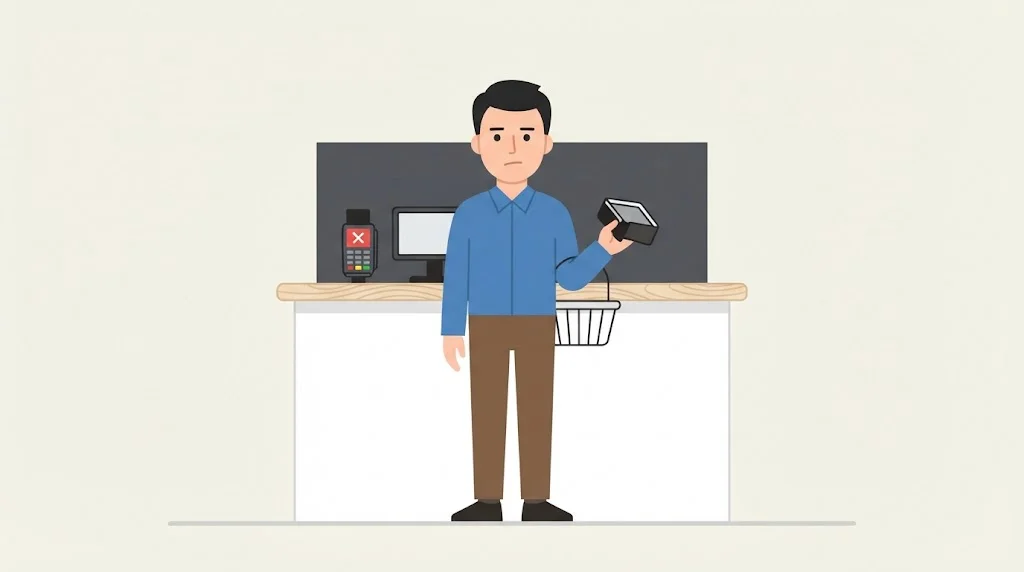
Meaning: Refers to a customer who has received products or services but has not completed the required payment.
Why This Phrase Works: It focuses on the transaction instead of labeling the individual negatively.
Real-World Usage Insight: Customer support teams and business owners often use this phrase to maintain professionalism while discussing overdue accounts.
Best Use: Customer service, invoicing, business reports, and internal discussions.
Avoid When: The issue involves legal default or intentional fraud requiring more precise terminology.
Tone: Neutral, business-friendly, respectful.
US vs UK Usage: Equally common and appropriate in both American and British English.
Example (Email): We’re following up regarding your outstanding balance, as the account is currently listed as a non-paying customer record. Please let us know if you need assistance arranging payment.
Conclusion
The term deadbeat is a well-known English expression that describes someone who repeatedly avoids financial or personal responsibilities, especially unpaid debts. Although it communicates the message quickly, its strong negative tone makes it unsuitable for many professional, legal, and customer-facing situations. Choosing a more neutral or supportive alternative can improve communication, reduce misunderstandings, and maintain respectful relationships. Expressions such as delinquent payer, customer with overdue payments, or person facing financial difficulties often convey the same situation more accurately while avoiding unnecessary judgment.
Understanding the context, audience, and emotional impact of your language allows you to communicate with greater confidence and professionalism. Whether you’re writing business emails, creating content, learning English, or having everyday conversations, selecting the right phrase helps balance clarity, empathy, and credibility while ensuring your message is both effective and appropriate.
FAQs
What does “deadbeat” mean?
A deadbeat is someone who repeatedly avoids paying debts or fulfilling important financial responsibilities. The word usually suggests a pattern of irresponsible behavior rather than an isolated missed payment and is commonly used in informal English.
Is “deadbeat” considered offensive?
It can be. The term carries a strong negative judgment and may offend the person being described. In professional or sensitive situations, neutral alternatives such as debtor or customer with overdue payments are usually more appropriate.
Is “deadbeat” a professional word?
Generally, no. Although it is widely understood, deadbeat is informal and emotionally charged. Business, legal, and academic communication typically uses more objective expressions like payment defaulter or delinquent payer.
What is the difference between “deadbeat” and “debtor”?
A debtor is simply someone who owes money, regardless of whether payments are current. A deadbeat implies that the person intentionally or repeatedly avoids paying what they owe, making it a much stronger and more critical term.
Can “deadbeat” describe someone besides a person who owes money?
Yes. While financial responsibility is the most common meaning, people sometimes use deadbeat to describe someone who consistently neglects personal responsibilities, such as parenting or other important obligations.
What is the best professional alternative to “deadbeat”?
The best choice depends on the context. Delinquent payer, payment defaulter, account in arrears, and customer with overdue payments are all widely accepted professional alternatives.
Is “deadbeat” more common in American or British English?
The expression is much more common in American English. British English speakers generally understand it but often prefer more neutral or formal alternatives, particularly in business and official communication.
Should I use “deadbeat” in business emails?
It’s usually better not to. Business emails benefit from respectful, objective language that focuses on facts rather than personal judgments. Neutral wording encourages better communication and maintains professionalism.
Why do people still use the word “deadbeat”?
People use it because it is short, memorable, and immediately communicates repeated financial irresponsibility. Its emotional impact makes it common in conversations, news headlines, and social media, even though it may not always be the most appropriate choice.
How can I describe someone who missed payments without sounding rude?
Use neutral expressions such as person behind on payments, customer with overdue payments, account in arrears, or individual experiencing financial hardship. These phrases explain the situation clearly while maintaining a respectful and professional tone.


