
Imagine finishing a long workday, hearing an old song, and suddenly feeling emotions you did not expect. A friend smiles and says, “That song just hits different.” Most native English speakers instantly understand the meaning, even though the words themselves are not literal. This phrase has become one of the most recognizable expressions in modern English because it quickly communicates that something feels uniquely powerful, memorable, or emotionally meaningful.
Whether you’re a professional writing content, a student learning English, an ESL learner improving conversational skills, or a writer looking for the right expression, understanding “hits different” helps you communicate more naturally. However, knowing when to use it and when to choose a more suitable alternative is equally important. Tone, audience, and context all influence whether the phrase sounds authentic, professional, or too casual. This guide explains its meaning, history, best alternatives, and practical applications so you can use it with confidence.
What Does “Hits Different” Mean?
Hits different means that something creates a stronger emotional, mental, or personal impact than expected or compared with similar experiences. The phrase is commonly used to express that a person, event, experience, memory, or piece of content feels uniquely meaningful, enjoyable, surprising, or emotionally significant because of personal context or circumstances.
Origin & History of “Hits Different”
The expression “hits different” evolved from the older English verb “hit,” which has long been used figuratively to describe something having a powerful emotional or psychological effect. Native speakers have said things like “That movie really hit me” or “The news hit hard” for decades, using “hit” to describe emotional impact rather than physical contact.
The shorter expression “hits different” became widely popular during the late 2010s through internet culture, social media platforms, online gaming communities, and meme culture. Rather than explaining why something felt special, people simply wrote, “It hits different,” allowing readers to infer that the experience carried unique emotional weight.
Music culture also played an important role in popularizing the phrase. Fans frequently described songs, albums, and live performances as “hitting different” when they resonated more deeply because of personal memories or changing life experiences. As streaming platforms and social media encouraged short, expressive language, the phrase spread rapidly among younger speakers.
Today, “hits different” has expanded beyond entertainment. People use it to describe relationships, achievements, travel experiences, food, nostalgic memories, workplace successes, and everyday moments that feel unusually meaningful. While its origins are informal, the expression has become a recognizable part of modern conversational English across many English-speaking communities.
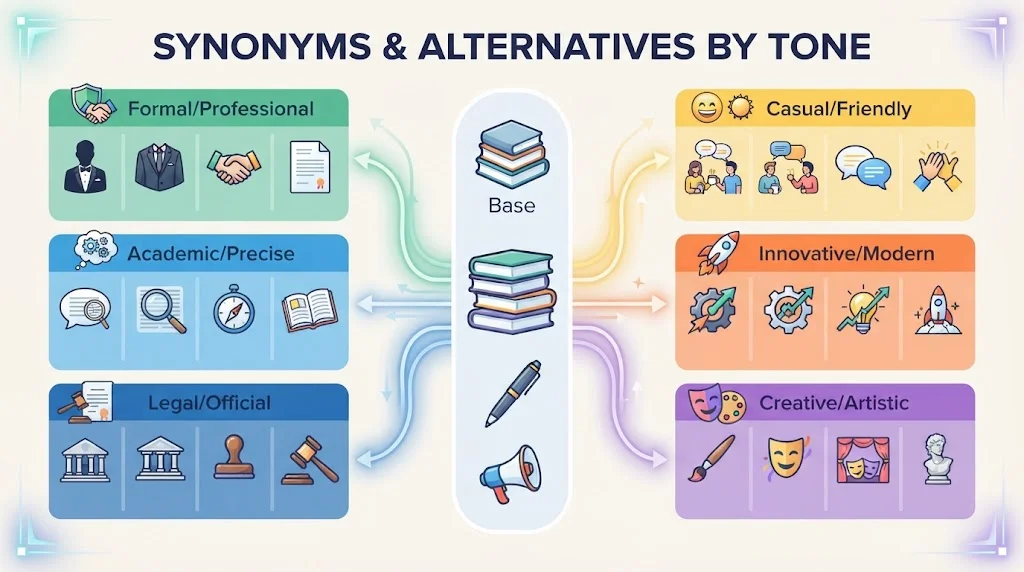
Synonyms & Alternatives by Tone
Professional & Neutral Alternatives
- Has a stronger impact
- Is particularly meaningful
- Resonates deeply
- Leaves a lasting impression
- Feels especially significant
Polite & Supportive Alternatives
- Carries special meaning
- Feels genuinely meaningful
- Makes a lasting impact
- Has personal significance
- Speaks to many people
Encouraging & Reassuring Alternatives
- Truly resonates
- Connects on a deeper level
- Has unique value
- Feels especially rewarding
- Stands out in a positive way
Casual, Playful & Idiomatic Alternatives
- Hits home
- Feels different
- Lands differently
- Just clicks
- Strikes a chord
When Should You Use “Hits Different”?
The phrase “hits different” works best when you want to communicate that something creates a stronger emotional or personal impact than expected. Because it is conversational, it is especially effective in informal communication where authenticity and relatability matter.
Professional Settings
Although informal, the phrase can work in creative industries, marketing discussions, brainstorming sessions, or team conversations where a relaxed tone is acceptable. For example:
- “This campaign hits different because it tells a real customer story.”
- “The revised presentation hits different after adding customer feedback.”
In highly formal workplaces, replacing it with “resonates more deeply” or “has greater impact” is usually a better choice.
Casual Conversations
This is where the phrase feels most natural.
Examples include discussing:
- Music
- Movies
- Sports
- Food
- Friendships
- Family memories
- Personal achievements
- Vacations
For example:
“Coffee hits different after an overnight flight.”
or
“Winning your first promotion just hits different.”
Writing, Presentations, and Digital Communication
Content creators frequently use the phrase in:
- Blog articles
- Social media captions
- YouTube titles
- Marketing copy
- Product reviews
- Lifestyle writing
It quickly signals emotional impact without requiring lengthy explanations, making it effective for digital audiences with shorter attention spans.
When It Is Especially Effective
The phrase is particularly useful when:
- Personal experience changes how something feels
- Emotion matters more than objective facts
- You want to sound relatable and conversational
- You’re describing nostalgia or meaningful moments
- The audience is comfortable with modern informal English
In these situations, “hits different” feels authentic and immediately understandable to many native English speakers.
When Should You Avoid “Hits Different”?
Although popular, “hits different” is not appropriate for every situation. Its casual nature can reduce clarity or professionalism when precise language is expected.
Overly Formal Situations
Avoid using the phrase in:
- Legal documents
- Government communication
- Formal reports
- Academic papers
- Scientific writing
- Official business proposals
In these contexts, choose direct alternatives such as “has greater significance,” “produces a stronger effect,” or “has greater impact.”
Legal, Academic, or Sensitive Contexts
When discussing subjects involving:
- Medical information
- Legal decisions
- Financial advice
- Safety guidance
- Research findings
the phrase may sound vague or subjective. Readers often expect precise wording rather than conversational expressions.
Situations Where Nuance May Be Lost
Because “hits different” depends heavily on personal interpretation, it may confuse readers who are unfamiliar with internet slang or who speak English as a second language.
It may also be unclear when communicating with:
- International clients
- Older audiences
- Formal business partners
- Cross-cultural teams
In these cases, replacing the phrase with a more descriptive explanation improves understanding and reduces ambiguity.
Is “Hits Different” Professional, Polite, or Casual?
The expression “hits different” is best described as casual and conversational, though it can occasionally appear in semi-professional environments where the culture encourages relaxed communication.
Tone Analysis
The phrase communicates:
- Emotional impact
- Personal opinion
- Authenticity
- Informality
Rather than sounding analytical, it expresses a feeling or personal reaction.
Formality Level
Its formality can generally be viewed as follows:
- Formal: ❌ Rarely appropriate
- Professional: ⚠️ Sometimes acceptable in creative workplaces
- Business Casual: ✅ Often acceptable
- Casual Conversation: ✅ Highly appropriate
- Social Media: ✅ Extremely common
Emotional Subtext
Native speakers often hear additional meaning beyond the literal words. The speaker is usually suggesting:
- The experience feels unique.
- Personal circumstances have changed.
- Emotion is involved.
- The reaction is difficult to explain logically.
This emotional layer is one reason the phrase remains popular across social media and everyday conversation.
Audience Perception
Different audiences may interpret the phrase differently.
- Gen Z and Millennials generally view it as natural and relatable.
- Professionals may appreciate it in informal discussions but avoid it in official documents.
- ESL learners may need additional explanation because the meaning is figurative rather than literal.
- International audiences may understand clearer alternatives more easily.
Understanding your audience helps determine whether “hits different” strengthens your message or whether a more precise expression would communicate your point more effectively.
Pros and Cons of Using “Hits Different”
Advantages
Clarity in informal conversations
The phrase quickly communicates that something has a stronger emotional effect than expected without requiring lengthy explanations.
Efficiency
Instead of describing complex emotions in several sentences, speakers can summarize their reaction with just two words.
Accessibility
Among younger English speakers and online communities, the phrase is widely recognized and easily understood, making conversations feel more natural and relatable.
Potential Drawbacks
Oversimplification
Because the phrase is broad, it may not explain why something feels meaningful. More specific language is often more informative.
Tone mismatch
In formal reports, academic writing, legal documents, or executive communication, the expression can appear too casual and reduce credibility.
Repetition
Using “hits different” too frequently in conversation or writing can make your language sound repetitive and less expressive. Choosing varied alternatives often creates stronger, more engaging communication.
Real-Life Examples of “Hits Different” by Context
Emails
“After reading the customer’s success story, the proposal really hits different. It feels much more authentic now.”
Meetings
“Seeing the live product demonstration hits different than looking at screenshots.”
Presentations
“The final statistics hit different once they’re compared with last year’s performance.”
Conversations
“Coming back to your hometown after years away just hits different.”
Social Media
“Weekend coffee after finishing a huge project just hits different. ☕”
“Hits Different” vs Similar Expressions (Key Differences)
| Phrase | Meaning Difference | Tone Difference | Best Use Scenario |
| Resonates deeply | Emphasizes emotional or intellectual connection | Professional and thoughtful | Business writing, presentations, articles |
| Hits home | Suggests something feels personally relatable | Warm and conversational | Personal stories and discussions |
| Strikes a chord | Focuses on creating emotional recognition | Slightly more formal | Speeches, blogs, interviews |
| Leaves a lasting impression | Highlights long-term impact instead of immediate emotion | Professional | Reviews, reports, recommendations |
| Feels especially meaningful | Describes significance directly without slang | Neutral | Academic, workplace, and international communication |
| Lands differently | Suggests changed perception because of context | Modern and casual | Social media and informal conversations |
Common Mistakes & Misuse of “Hits Different”
Overuse
Using the phrase repeatedly weakens its impact. If every movie, meal, meeting, or achievement “hits different,” the expression loses its uniqueness. Varying your language with suitable alternatives keeps communication engaging.
Incorrect Context
Because the phrase is informal, it should not replace precise language in contracts, research papers, legal writing, or official business communication where clarity is essential.
Contradictory Usage
Sometimes people use the phrase without explaining why something feels different. Adding a brief reason makes the message more meaningful.
Instead of:
“This report hits different.”
Try:
“This report hits different because it includes real customer experiences instead of just statistics.”
Cultural Misunderstandings
English learners and people unfamiliar with internet slang may interpret the phrase literally. When communicating with international audiences, replacing it with expressions like “has greater impact” or “is especially meaningful” improves understanding while preserving the intended message.
Psychological Reason People Prefer “Hits Different”
The popularity of “hits different” goes beyond internet slang. From a communication perspective, the phrase succeeds because it allows people to describe complex emotions quickly without needing a lengthy explanation. It fits how modern conversations happen—fast, expressive, and emotionally driven.
Cognitive Load Reduction
People naturally prefer language that communicates ideas with minimal mental effort. Instead of explaining every detail behind an emotional reaction, saying “it hits different” immediately tells listeners that the experience feels unusually meaningful or impactful.
This efficiency makes conversations smoother while still conveying emotional depth.
Trust and Authority Signals
The phrase often sounds authentic because it reflects a personal experience rather than making an objective claim. Speakers are not saying something is universally better—they are expressing how it affects them personally.
This subtle distinction makes the expression feel honest and relatable.
Attention Economy

Modern communication competes for limited attention. Short, memorable phrases spread more easily across social media, messaging apps, podcasts, and videos.
“Hits different” succeeds because it is:
- Easy to remember
- Emotionally expressive
- Short enough for headlines and captions
- Flexible across many topics
These qualities help explain why it continues to appear in online conversations.
Modern Communication Habits
Digital communication increasingly favors concise emotional language. Rather than writing several sentences explaining why an experience feels unique, people summarize the emotion in just two words.
Whether discussing music, sports, travel, food, friendships, or career achievements, “hits different” efficiently communicates that something carries greater personal significance than expected.
US vs UK Usage of “Hits Different”
Although understood throughout the English-speaking world, “hits different” is more common in American English than in British English.
Popularity
In the United States, the phrase appears frequently in:
- Social media
- Podcasts
- YouTube videos
- Sports commentary
- Entertainment reviews
- Everyday conversation
British speakers generally recognize the phrase but may use it less often in daily speech.
Tone Perception
American audiences usually perceive “hits different” as modern, relatable, and emotionally expressive.
In the UK, some speakers view it as internet slang or American-influenced language, particularly among younger generations.
Regional Preferences
Equivalent expressions often heard in British English include:
- Really resonates
- Has more impact
- Feels more meaningful
- Hits home
- Strikes a chord
These alternatives sometimes sound slightly more natural in professional or cross-cultural communication.
“Hits Different” in Digital & Modern Communication
Digital communication rewards language that is concise, emotionally engaging, and easy to understand. “Hits different” fits these qualities exceptionally well.
Emails
In relaxed workplace cultures, the phrase can communicate enthusiasm without sounding overly dramatic.
Example:
“The revised customer testimonial section really hits different now. It feels much more authentic.”
For formal emails, alternatives such as “has greater impact” or “is more compelling” are generally stronger choices.
Slack / WhatsApp
Instant messaging encourages conversational language, making the phrase especially common.
Examples:
“The new dashboard hits different.”
“Coffee after that meeting just hits different.”
Because colleagues often communicate informally on messaging platforms, the phrase feels natural in many workplaces.
Social Media
Social media is where the expression thrives.
It frequently appears in posts about:
- Music
- Food
- Travel
- Relationships
- Personal achievements
- Sports
- Nostalgia
Examples include:
“Sunsets at the beach just hit different.”
“Winning your first marathon hits different.”
Its brevity makes it ideal for captions and short-form content.
AI-Generated Summaries
AI writing tools generally avoid using “hits different” in factual summaries because it expresses personal opinion rather than objective information.
However, AI-generated marketing copy, blogs, and conversational content may intentionally include the phrase to sound more natural and relatable when targeting casual audiences.
Linguistic & Communication Insight
Emotional Weight & Subtext
Native speakers usually understand more than the literal words.
When someone says “hits different,” listeners often infer:
- Personal memories are involved.
- Circumstances have changed.
- The emotional reaction is stronger than expected.
- The speaker finds the experience difficult to explain logically.
The phrase communicates emotional depth while leaving room for interpretation, making it especially effective in storytelling and conversation.
Direct vs Indirect Phrasing
Compared with direct statements like:
- “This is better.”
- “This is more important.”
the phrase sounds softer and more personal.
Rather than presenting a fact, it presents an individual experience.
This subtle difference reduces disagreement because listeners recognize the statement as subjective rather than absolute.
Professional Communication Perspective
In workplace communication, context determines whether the phrase strengthens or weakens a message.
Creative industries often welcome conversational language that sounds authentic.
By contrast, executive reports, client proposals, academic writing, and legal communication generally benefit from more precise alternatives such as:
- Has greater impact
- Resonates more strongly
- Is especially meaningful
- Produces stronger results
Professional communicators adapt their wording according to audience expectations rather than using the same expression everywhere.
Conclusion
The phrase “hits different” has become a defining expression in modern English because it captures a powerful idea with remarkable simplicity. It describes moments, experiences, or emotions that feel uniquely meaningful due to personal perspective, timing, or circumstance. While it works exceptionally well in casual conversations, social media, and creative writing, it is not always the best choice for formal or professional communication. Understanding its tone, context, and audience allows you to decide when to use it naturally and when a clearer alternative such as “resonates deeply,” “has a stronger impact,” or “leaves a lasting impression” is more appropriate. Expanding your vocabulary also helps you avoid repetition and communicate with greater precision.
Whether you’re an ESL learner, student, professional, or content creator, mastering “hits different” and its alternatives will make your English sound more authentic, adaptable, and context-aware. Choosing the right phrase ultimately strengthens clarity, builds credibility, and creates more meaningful communication.
FAQs
What does “hits different” actually mean?
“Hits different” means that something has a stronger emotional, personal, or memorable impact than expected. People commonly use it when a song, movie, conversation, experience, or achievement feels uniquely meaningful because of personal circumstances or emotions. The phrase is informal and most common in modern spoken English and online communication.
Is “hits different” grammatically correct?
Yes. Although it sounds informal, “hits different” is grammatically acceptable in conversational English. Here, “different” functions as an adverb in informal usage, similar to other colloquial expressions. While it is widely accepted in everyday speech, formal writing generally prefers alternatives like “has greater impact” or “resonates more deeply.”
Is “hits different” considered slang?
Yes. The phrase is modern internet slang that became popular through social media, music communities, and online culture. Despite its slang origins, it is now widely recognized by native English speakers and frequently appears in everyday conversations, entertainment reviews, and digital content.
Can I use “hits different” in professional emails?
It depends on your audience and workplace culture. In creative industries or relaxed teams, the phrase may sound engaging and authentic. However, for formal emails, executive communication, client correspondence, or academic writing, expressions like “is especially meaningful,” “has greater impact,” or “resonates strongly” are usually more appropriate.
Why has “hits different” become so popular?
The phrase became popular because it expresses complex emotions in just two words. It fits today’s fast-paced communication style, especially on social media, where short and emotionally expressive language performs well. Its flexibility also allows people to apply it to music, food, memories, achievements, and countless everyday experiences.
What are the best professional alternatives to “hits different”?
Professional alternatives include “resonates deeply,” “has a stronger impact,” “leaves a lasting impression,” “is particularly meaningful,” and “connects on a deeper level.” These expressions communicate similar ideas while sounding clearer and more appropriate in business, academic, or formal settings.
Do British and American speakers use “hits different” the same way?
Both American and British English speakers understand the phrase, but it is more common in the United States. American speakers use it frequently in everyday conversation and online culture, while British speakers may prefer alternatives such as “hits home,” “resonates,” or “has more impact” in certain contexts.
Can English learners use “hits different”?
Absolutely. Learning the phrase helps ESL learners understand modern English conversations, social media, and entertainment. However, learners should also understand its informal nature and know when more neutral alternatives are better suited for professional, academic, or international communication.
What types of experiences usually “hit different”?
The phrase commonly describes emotionally significant experiences such as hearing an old song, visiting a childhood place, achieving a long-term goal, reconnecting with friends, watching a meaningful film, or celebrating personal milestones. In each case, the experience feels uniquely impactful because of personal context rather than objective qualities.
How can I avoid overusing “hits different”?
The best approach is to vary your vocabulary based on context. Instead of repeating “hits different,” consider alternatives like “strikes a chord,” “resonates deeply,” “feels especially meaningful,” “has personal significance,” or “leaves a lasting impression.” Using varied expressions improves clarity, strengthens writing, and makes your communication sound more natural.


