
Imagine you’ve just sent an email with the wrong attachment, missed an important deadline, or made a decision you can’t reverse. After the initial frustration, someone calmly says, “What is done is done.” Those five words acknowledge reality without dwelling on regret. They encourage acceptance, remind us that the past cannot be changed, and shift attention toward the next best step.
In everyday conversations, workplaces, classrooms, and digital communication, “What Is Done Is Done” is often used to close the door on past mistakes or completed actions. Depending on how and when it is used, the phrase can sound comforting, practical, dismissive, or even reassuring. Understanding its meaning and knowing when to replace it with a more suitable alternative helps you communicate with greater clarity, professionalism, and emotional intelligence.
What Does “What Is Done Is Done” Mean?
“What Is Done Is Done” means that an action or event has already happened and cannot be changed, so continuing to regret or argue about it is usually unproductive. The phrase encourages accepting reality, learning from the situation, and focusing on what can be done next instead of trying to reverse the past.
Origin & History of “What Is Done Is Done”

The phrase “What Is Done Is Done” has existed in English for centuries and reflects a timeless idea found in many cultures: the past cannot be altered. Similar expressions appeared in medieval English literature and religious writings, emphasizing acceptance, responsibility, and moving forward after events had already taken place.
One of the best-known historical connections comes from William Shakespeare. In Macbeth, Lady Macbeth says, “What’s done is done,” reinforcing the idea that certain actions cannot be undone, even though people may continue to live with their consequences. While Shakespeare did not invent the concept, his work helped popularize the expression in English-speaking cultures.
Over time, the phrase evolved from literary language into everyday speech. Today, people use it in personal conversations, business discussions, classrooms, and online communication whenever they want to acknowledge that a situation is final and attention should shift toward solutions rather than regret.
Although its wording has remained largely unchanged, modern usage often places greater emphasis on acceptance, resilience, accountability, and practical decision-making rather than simple resignation.
Synonyms & Alternatives by Tone
Professional & Neutral Alternatives
- The decision has already been made.
- We should focus on the next steps.
- The matter has been resolved.
- Let’s move forward.
- The outcome cannot be changed.
- We need to work with the current situation.
Polite & Supportive Alternatives
- Let’s focus on what we can do now.
- We can only learn from this experience.
- It’s okay—we’ll move forward together.
- Let’s make the best of the situation.
- We’ll handle it from here.
Encouraging & Reassuring Alternatives
- Every mistake is a learning opportunity.
- The important thing is what we do next.
- Tomorrow is a new beginning.
- We can still make progress.
- Let’s turn this into a positive experience.
Casual, Playful & Idiomatic Alternatives
- No use crying over spilled milk.
- Water under the bridge.
- You can’t turn back the clock.
- That’s in the past now.
- It is what it is.
- Let’s not dwell on it.
- Time to move on.
- What’s done is behind us.
When Should You Use “What Is Done Is Done”?
Professional Settings
The phrase works well when a decision is final, and the team needs to shift its attention toward execution instead of repeatedly revisiting past choices. Managers and colleagues often use it to encourage productivity after a mistake has been acknowledged and addressed. It is most effective when followed by a constructive action plan, such as discussing lessons learned or identifying the next steps.
Casual Conversations
Among friends and family, “What Is Done Is Done” can help someone stop dwelling on an honest mistake. It offers reassurance that continuing to worry will not change the outcome and that it is healthier to focus on the future.
Writing, Presentations, and Digital Communication
The phrase can appear in emails, reports, presentations, and team updates when discussing completed actions or irreversible decisions. However, in professional writing, pairing it with solution-oriented language creates a more collaborative tone.
For example:
“What is done is done. Let’s focus on delivering the project successfully from this point forward.”
When It Is Especially Effective
Use this expression when:
- A decision cannot realistically be reversed.
- Everyone already understands what went wrong.
- The conversation should transition from blame to solutions.
- Acceptance is more valuable than continued debate.
- The goal is to encourage resilience and forward thinking.
In these situations, the phrase helps reduce unnecessary rumination while reinforcing a practical mindset.
When Should You Avoid “What Is Done Is Done”?
Although useful, the phrase is not appropriate in every situation.
Overly Formal Situations
In legal documents, academic writing, policy discussions, or official communications, the expression may sound too conversational. More precise wording is usually preferable.
Legal, Academic, or Sensitive Contexts
Avoid using the phrase when accountability, investigation, or evidence gathering is still required. Saying “What Is Done Is Done” too early may imply that further discussion is unnecessary, even when important questions remain unanswered.
Situations Where Nuance May Be Lost
The phrase can unintentionally sound dismissive if someone is grieving, disappointed, or emotionally affected by an event. In these cases, empathy should come before acceptance.
Instead of saying:
“What is done is done.”
You might say:
“I know this has been difficult. Let’s look at what we can do next.”
This approach acknowledges emotions while still encouraging progress.
Common Mistakes & Misuse of “What Is Done Is Done”
Even though “What Is Done Is Done” is simple and widely understood, it is often used in ways that weaken communication or create the wrong impression.
Overusing the Phrase
Repeating the expression whenever something goes wrong can make a speaker sound indifferent or unwilling to reflect. Acceptance is valuable, but constantly using the phrase may discourage learning and meaningful discussion.
Using It Too Early
Saying “What Is Done Is Done” before understanding what happened can appear careless. If a mistake is still being investigated or corrected, people may feel their concerns are being dismissed rather than addressed.
Ignoring Accountability
The phrase should not replace responsibility. Accepting that something happened is different from avoiding ownership. In professional settings, it’s better to acknowledge the issue before encouraging everyone to move forward.
Using It During Emotional Situations
When someone is upset, grieving, or frustrated, the phrase may sound cold or insensitive. Showing empathy first usually leads to a better conversation.
Cultural Misunderstandings
While the expression is common in English-speaking countries, some cultures value extended discussion and reflection before moving on. Using the phrase too quickly may be interpreted as impatience or emotional distance.
Psychological Reason People Prefer “What Is Done Is Done”
People naturally look for ways to reduce stress after making mistakes. “What Is Done Is Done” appeals to the mind because it encourages acceptance instead of endless rumination.
Cognitive Load Reduction
Dwelling on events that cannot be changed consumes mental energy. The phrase simplifies decision-making by reminding people to focus on actions that are still within their control.
Trust and Authority Signals
Confident communicators often acknowledge reality without dramatizing it. Used appropriately, the phrase signals emotional stability, practical thinking, and confidence in moving forward.
Attention Economy
Modern communication rewards brevity. Whether in meetings, emails, or messaging apps, concise expressions help conversations progress without becoming stuck on past events.
Modern Communication Habits
Today’s workplaces emphasize adaptability and continuous improvement. Rather than assigning blame indefinitely, teams are encouraged to learn quickly and focus on solutions. This mindset makes “What Is Done Is Done” particularly relevant in fast-paced environments.
US vs UK Usage of “What Is Done Is Done”
Both American and British English commonly use “What Is Done Is Done.” The wording remains virtually identical, but the way it is perceived can vary slightly.
In the United States, the phrase is often associated with practicality and solution-focused thinking. It commonly appears after mistakes have been acknowledged and the discussion shifts toward action.
In the United Kingdom, the expression is equally familiar but may carry a slightly more reserved or understated tone. British speakers often use it as a calm acknowledgment that continuing to revisit the past serves little purpose.
Overall, the phrase is natural and easily understood across both varieties of English, making it suitable for international communication when used with the appropriate level of empathy.
“What Is Done Is Done” in Digital & Modern Communication
Emails
In professional emails, the phrase works best when followed by a constructive next step.
Example:
“What is done is done. Let’s focus on delivering the remaining milestones on schedule.”
Slack and WhatsApp
Team messaging platforms favor short, direct communication. Here, the phrase can help end unproductive discussions and redirect attention toward solutions.
Example:
“The file was sent to the wrong client, but what’s done is done. Let’s prepare the corrected version immediately.”
Social Media
People frequently use the phrase in posts about personal growth, resilience, and learning from mistakes. It often accompanies reflections on overcoming setbacks rather than dwelling on regret.
AI-Generated Summaries
AI writing tools and business summaries may use the expression sparingly to conclude discussions about irreversible decisions. However, more neutral alternatives are often preferred in formal business writing to maintain professionalism.
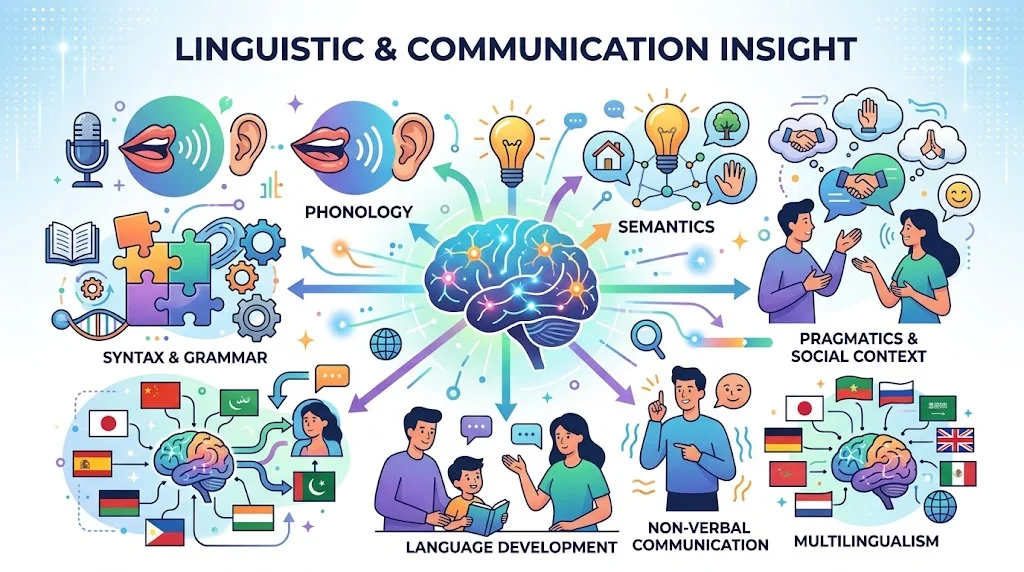
Linguistic & Communication Insight
Emotional Weight & Subtext
Native English speakers usually hear more than the literal meaning of “What Is Done Is Done.” Depending on tone, it can communicate acceptance, emotional resilience, finality, patience, or quiet disappointment. A warm tone makes it reassuring, while a flat tone may sound dismissive.
Direct vs Indirect Phrasing
The phrase is relatively direct because it states that the past cannot be changed. Softer alternatives such as “Let’s focus on what we can do now” or “We’ll learn from this experience” emphasize collaboration and optimism instead of finality. Choosing between direct and indirect wording depends on the audience and emotional context.
Professional Communication Perspective
In the workplace, “What Is Done Is Done” works best after responsibility has been acknowledged and immediate solutions have been identified. If used before listening to concerns or discussing lessons learned, it may suggest that feedback is unwelcome. Experienced leaders often pair the phrase with practical next steps to maintain trust.
Pragmatic Reasons for Alternatives
Professionals frequently choose alternative wording because language shapes cooperation. Expressions like “Let’s move forward” or “We’ll build on what we’ve learned” reduce defensiveness, encourage teamwork, and demonstrate empathy while still communicating acceptance.
Social Signaling
Word choice influences how people judge confidence, emotional intelligence, and leadership. Someone who balances acceptance with empathy is generally viewed as more trustworthy than someone who appears to dismiss concerns too quickly.
Tone & Context Guidance
Use “What Is Done Is Done” when the outcome is genuinely irreversible, and everyone is ready to move forward. Avoid it when people still need emotional support, when accountability is being established, or when important decisions remain unresolved.
Let’s Move Forward
Meaning: This phrase encourages shifting attention from past events to future actions. It emphasizes progress rather than regret.
Why This Phrase Works: It is positive, collaborative, and solution-oriented, making it one of the strongest professional alternatives.
Real-World Usage Insight: Managers, teachers, and team leaders frequently use it after discussing a completed issue and agreeing on the next steps.
Best Use: Team meetings, project updates, performance discussions, customer communication.
Avoid When: People have not yet had an opportunity to discuss what happened or express their concerns.
Tone: Professional, encouraging, collaborative.
US vs UK Usage: Equally common and natural in both American and British English.
Example (Meeting): “We’ve reviewed the delay and identified the cause. Let’s move forward by implementing the new approval process.”
The Decision Has Already Been Made
Meaning: This expression states that a final choice has been reached and further debate is unlikely to change the outcome.
Why This Phrase Works: It provides clarity while reducing uncertainty about future actions.
Real-World Usage Insight: Executives and project managers often use it when decisions have been approved, and implementation must begin.
Best Use: Business meetings, executive communication, policy discussions.
Avoid when: Collaboration or additional feedback is still expected.
Tone: Neutral, authoritative, professional.
US vs UK Usage: Widely used in both regions without significant differences.
Example (Email): “The decision has already been made, so our priority now is ensuring a smooth rollout.”
We Should Focus on the Next Steps
Meaning: This phrase redirects attention toward practical actions instead of past mistakes.
Why This Phrase Works: It keeps conversations productive without minimizing previous challenges.
Real-World Usage Insight: Project teams often use it after identifying problems and agreeing on corrective actions.
Best Use: Project management, client communication, planning sessions.
Avoid When: The root cause still needs investigation.
Tone: Professional, constructive, solution-focused.
US vs UK Usage: Common in both American and British workplaces.
Example (Meeting): “Now that we’ve identified the issue, we should focus on the next steps and keep the launch on schedule.”
The Matter Has Been Resolved
Meaning: This phrase indicates that an issue has been settled or completed.
Why This Phrase Works: It communicates closure without sounding emotional.
Real-World Usage Insight: Frequently used in customer service, compliance, and administrative communication.
Best Use: Formal emails, reports, customer support.
Avoid When: The problem remains unresolved or further action is required.
Tone: Formal, neutral, professional.
US vs UK Usage: Equally acceptable in both varieties of English.
Example (Email): “The matter has been resolved, and no additional action is required from your team.”
Let’s Focus on What We Can Do Now
Meaning: This phrase encourages attention toward current opportunities instead of past mistakes.
Why This Phrase Works: It combines empathy with practical thinking.
Real-World Usage Insight: Team leaders often use it after setbacks to maintain motivation without ignoring the situation.
Best Use: Coaching, mentoring, workplace conversations, personal discussions.
Avoid When: Immediate accountability still needs to be addressed.
Tone: Supportive, optimistic, collaborative.
US vs UK Usage: Very common in both countries.
Example (Meeting): “We can’t change yesterday’s results, so let’s focus on what we can do now to improve next quarter.”
We Can Only Learn From This Experience
Meaning: The phrase emphasizes learning instead of regret.
Why This Phrase Works: It transforms mistakes into opportunities for growth.
Real-World Usage Insight: Frequently heard in education, leadership, coaching, and performance reviews.
Best Use: Feedback sessions, mentoring, employee development.
Avoid When: The mistake is ongoing or preventable through immediate action.
Tone: Encouraging, supportive, reflective.
US vs UK Usage: Widely understood and appreciated in both regions.
Example (Meeting): “The campaign didn’t meet expectations, but we can only learn from this experience and improve the next launch.”
It’s Time to Move On
Meaning: This expression suggests ending the discussion about the past and beginning a new phase.
Why This Phrase Works: It provides a clear sense of closure.
Real-World Usage Insight: Common in personal conversations, workplace discussions, and media interviews after difficult events.
Best Use: Personal conversations, team discussions after resolution.
Avoid when: Someone is still processing significant emotions.
Tone: Direct, reassuring, conversational.
US vs UK Usage: Very common in both American and British English.
Example (Conversation): “We’ve apologized, fixed the mistake, and everyone understands what happened. It’s time to move on.”
Conclusion
“What Is Done Is Done” is a timeless expression that reminds us to accept what cannot be changed and focus on what comes next. Whether you’re communicating in the workplace, speaking with friends, writing professional emails, or creating online content, the phrase can be an effective way to encourage resilience and forward thinking. However, its impact depends on context, tone, and audience. In situations requiring empathy or collaboration, alternatives like “Let’s move forward” or “Let’s focus on what we can do now” often communicate the same idea more positively.
By understanding the meaning, history, emotional nuance, and practical applications of “What Is Done Is Done,” you can choose language that builds trust instead of creating distance. Strong communicators know that the right words not only express a message but also shape how others feel. Using this phrase thoughtfully—and selecting appropriate alternatives when needed—will help you communicate with greater clarity, professionalism, and confidence in every setting.
FAQs
What does “What Is Done Is Done” mean?
“What Is Done Is Done” means that something has already happened and cannot be changed. Instead of dwelling on the past, the phrase encourages accepting reality and focusing on future actions. It is commonly used after decisions, mistakes, or events that are irreversible and serves as a reminder to move forward constructively.
Is “What Is Done Is Done” a positive phrase?
Yes, it can be positive when used to promote acceptance and resilience. The phrase helps people stop focusing on things they cannot change and redirect their energy toward solutions. However, if used without empathy, it may sound dismissive, especially in emotionally sensitive situations.
Is “What Is Done Is Done” professional?
The phrase is acceptable in many workplace conversations, particularly after a problem has been acknowledged and resolved. However, in formal reports, legal writing, or executive communication, more precise alternatives such as “Let’s move forward” or “The decision has been finalized” may sound more professional.
When should you avoid using “What Is Done Is Done”?
Avoid using the phrase when someone is grieving, upset, or expects empathy before discussing solutions. It is also unsuitable when accountability, investigation, or further discussion is still necessary because it may imply that the issue no longer deserves attention.
What are the best alternatives to “What Is Done Is Done”?
Some of the strongest alternatives include “Let’s move forward,” “We should focus on the next steps,” “Let’s focus on what we can do now,” “We’ll handle it from here,” and “We can only learn from this experience.” Each offers a more supportive or professional tone depending on the context.
Is “What Is Done Is Done” common in American and British English?
Yes. The phrase is widely recognized in both American and British English. While American speakers often associate it with practical problem-solving, British speakers may use it with a slightly more understated tone. Its meaning remains consistent across both varieties of English.
Can “What Is Done Is Done” sound rude?
It can be if spoken too abruptly or without acknowledging another person’s feelings. Tone of voice and context play a significant role. Pairing the phrase with empathy and a constructive next step makes it sound far more supportive and respectful.
Is “What Is Done Is Done” an idiom?
It is generally considered a fixed expression or proverb rather than a traditional idiom. The meaning closely matches the literal words, but it conveys a broader message about accepting irreversible situations and moving on productively.
Why do people use “What Is Done Is Done”?
People use the phrase because it reduces unnecessary worry about the past and encourages practical thinking. It helps bring closure to discussions, lowers emotional stress, and shifts attention toward actions that can still influence future outcomes.
How can I use “What Is Done Is Done” in a sentence?
A natural example is: “We can’t change yesterday’s decision, and what is done is done, so let’s focus on delivering the project successfully.” This use acknowledges the past while directing attention toward productive future action, making it suitable for both personal and professional conversations.


